The Evolution of the Automotive Partner Ecosystem
The automotive partner ecosystem has evolved from a linear supply chain into a complex, interconnected network of diverse players. This transformation is driven by technology, consumer expectations, and a shift towards services over products.
Understanding this evolution is crucial for any company operating within the automotive space. The old rules of engagement no longer guarantee success in this dynamic environment.
Companies must adapt their strategies to thrive in a more collaborative and digitally-driven industry. This requires new tools, new mindsets, and a deeper understanding of the modern partner ecosystem.
Key Takeaways
TL;DR
- The automotive partner ecosystem has moved beyond a simple OEM-supplier-dealer chain. It is now a complex web of technology firms, service providers, and energy companies.
- Major trends like electrification, autonomous driving, connected cars, and shared mobility (ACES) are forcing this change. These trends create demand for new types of partnerships.
- Data and software have become central to value creation in the automotive industry. This shifts the focus from hardware manufacturing to digital services and experiences.
- New partners, such as cybersecurity experts, cloud providers, and charging infrastructure companies, are now essential. Traditional players must learn to collaborate with these new entrants.
- Success in the modern partner ecosystem requires agility, open collaboration, and advanced technology platforms. A Unified Partner Management (UPM) solution is key to managing this complexity.
- Customer experience is now a primary driver of strategy. Partnerships are formed to deliver seamless, integrated services to the end consumer.
What Characterized the Traditional Automotive Partner Ecosystem?
Historically, the automotive partner ecosystem was a very linear and hierarchical structure. At its core was the Original Equipment Manufacturer (OEM), which designed and assembled vehicles.
The OEM sat atop a tiered pyramid of suppliers providing various components. Tier 1 suppliers delivered complete systems directly to the OEM, while Tier 2 and Tier 3 suppliers provided parts to those above them.
This supply chain was highly structured, with relationships governed by long-term contracts and stringent quality controls. The primary flow of value was physical, moving from raw materials up to the finished car.
Downstream from the OEM, a network of franchised dealerships managed sales and service. These dealers were the primary, and often only, point of contact with the end customer.
The entire structure was built for efficiency in mass production, not for agility or innovation. Information flowed in a siloed manner, and collaboration across different parts of the chain was limited.
Customer relationships were largely transactional, focused on the initial sale and subsequent maintenance. This traditional framework was effective for a century, but it is ill-suited for the digital age.
The rigidity of this old model made it slow to adapt to changing market demands. The focus was on optimizing production costs rather than developing new customer-centric services.
In this classic partner ecosystem, roles were clearly defined and rarely overlapped. An automaker made cars, a supplier made parts, and a dealer sold and serviced them.
This clarity, however, also represented a significant constraint on growth and innovation. The landscape left little room for the types of cross-industry collaboration that define the modern market.
What Major Forces Are Driving Change in the Automotive Partner Ecosystem?
Several powerful forces are working together to dismantle the traditional automotive model. The most significant of these are often summarized by the acronym ACES: Autonomous, Connected, Electric, and Shared.
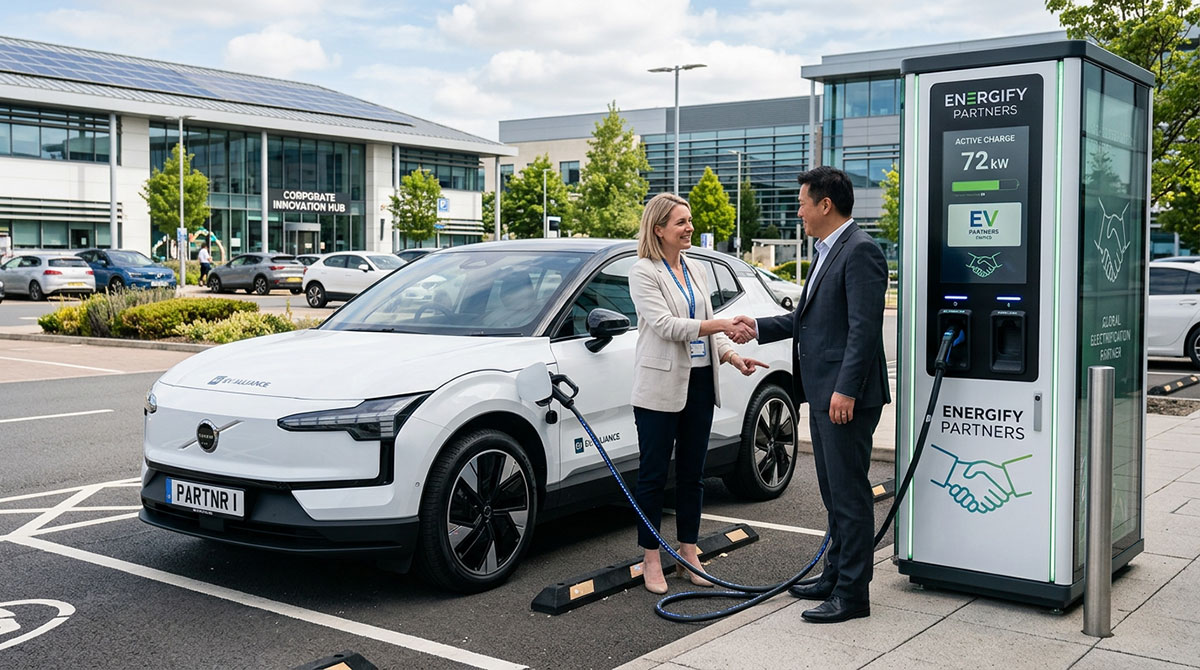
Electrification is fundamentally changing the vehicle itself and the infrastructure required to support it. This shift creates a need for new partners in battery technology, charging station networks, and energy management.
Automakers can no longer operate in isolation when building an electric vehicle. They must form a new partner ecosystem with utility companies, property developers, and software providers for charging solutions.
Autonomous driving technology introduces an entirely new layer of complexity. Developing self-driving capabilities requires expertise in artificial intelligence, sensor technology, and high-definition mapping.
This has led to partnerships between car companies and tech giants, AI startups, and specialized sensor manufacturers. The value of a car is increasingly determined by its software and processing power.
Connected cars, equipped with internet access, turn vehicles into platforms for digital services. This opens the door for a host of new partners offering infotainment, e-commerce, and data-driven solutions.
Telecommunications companies become vital partners for providing reliable connectivity. At the same time, software developers are needed to build the applications that run inside the vehicle.
Finally, the rise of shared mobility services, like ride-hailing and car-sharing, changes the concept of ownership. Consumers are shifting their focus from owning a product to accessing a service.
This trend requires automakers to partner with fleet management companies, mobility service providers, and municipal governments. The goal is to create an integrated transportation network.
These forces collectively push the industry from a hardware-centric model to one centered on software and services. According to research by Gartner, software-defined vehicles are a top trend disrupting the industry.
This fundamental change requires a more dynamic and collaborative partner ecosystem. The old, linear supply chain simply cannot support the multifaceted demands of the modern automotive market.
Each of these trends introduces new players and new relationships into the automotive world. Managing this expanded network is one of the greatest challenges for OEMs today.
The success of an automotive company now depends on its ability to build and manage a diverse partner ecosystem. Without it, they cannot deliver the features and services that customers now expect.
How Is Technology Reshaping the Automotive Partner Ecosystem?
Technology is the primary enabler of the new automotive partner ecosystem. Cloud computing, AI, and data analytics platforms provide the foundation for this interconnected network.
Cloud platforms allow for the seamless sharing of vast amounts of data between partners. This data, gathered from vehicles and consumers, is the lifeblood of new digital services.
For example, data on traffic patterns can be used to improve navigation services. Data on battery health can be shared with an energy partner to optimize charging schedules.
A robust platform is needed to manage the flow of information between all these different entities. Solutions like Centralized Interconnect become essential for integrating disparate systems.
Artificial intelligence is another key technological driver. AI is used in autonomous driving systems, predictive analytics for maintenance, and personalizing the in-car experience.
Developing these AI capabilities often requires collaboration with specialized technology companies. The automotive partner ecosystem now includes AI researchers and data scientists as key members.
Unified Partner Management (UPM) platforms have emerged as a critical tool for orchestrating these complex relationships. These platforms provide a single pane of glass to manage every aspect of partnership.
With a UPM solution, a company can onboard new partners quickly and efficiently. They can also track partner performance, manage joint marketing efforts, and streamline financial transactions.

Advanced reporting tools are a core component of this technological shift. Tools for Business Intelligence & Reports give companies real-time insights into their partner ecosystem.
This allows them to make data-driven decisions about which partnerships are most valuable. It also helps them identify areas for improvement and new opportunities for collaboration.
Digital tools also facilitate more effective partner enablement. Learning management systems can be used to train partners on new technologies and sales processes.
For instance, Partner Learning Management Plus ensures that a dealership’s staff understands the nuances of selling an electric vehicle. This training might include information provided by a utility partner about home charging solutions.
The very nature of collaboration has been transformed by technology. Digital workflows and communication tools make it easier for diverse, geographically dispersed teams to work together effectively.
This digital backbone is what allows a car company in Germany to collaborate seamlessly with a software company in Silicon Valley. It breaks down the physical and organizational barriers of the past.
Ultimately, technology enables a level of integration that was previously impossible. This integration is what creates the seamless user experiences that modern consumers demand from their vehicles.
A modern car is not just a machine; it is a connected device within a larger digital partner ecosystem. The technology platform that manages this complex network is as important as the factory that builds the car.
What New Roles Are Emerging Within the Modern Partner Ecosystem?
The shift towards a service-oriented model has created a variety of new roles and partner types. These new entrants bring expertise that traditional automotive players typically lack.
Software and application developers are now front and center. They build the infotainment systems, navigation apps, and over-the-air update mechanisms that define the modern user experience.
Cybersecurity firms have also become indispensable partners. As vehicles become more connected, they also become more vulnerable to cyberattacks, making robust security a top priority.
An OEM must forge a strong partnership with a cybersecurity expert to protect both the vehicle and its user data. This is a role that simply did not exist in the traditional partner ecosystem.
Data analytics and AI specialists are another crucial new group. These partners help automakers make sense of the massive amounts of data generated by connected vehicles.
They use this data to develop services like predictive analytics for maintenance, personalized insurance models, and targeted advertising. Effective Partner Management is key to integrating these specialists.
With the rise of EVs, energy and infrastructure partners have entered the automotive space. This category includes utility companies, charging equipment manufacturers, and firms specializing in battery lifecycle management.
These partners collaborate to build out the charging infrastructure necessary to support widespread EV adoption. Their involvement extends the automotive partner ecosystem far beyond its traditional boundaries.
Content providers are also becoming important partners. They supply the music, podcasts, videos, and other media that drivers and passengers consume while in the car.
This turns the vehicle into a mobile entertainment hub. Strong partnerships with media companies are essential to delivering a compelling in-car experience.
Finally, telecommunications providers play a vital role in the network. They provide the 5G and satellite connectivity that enables all these data-intensive services to function.
The partnership with a telecom company is critical for ensuring reliable communication between the vehicle and the cloud. This connection is the foundation of the entire connected car concept.
These new roles demonstrate how diverse the modern automotive partner ecosystem has become. Managing these different types of partners requires flexible and scalable Partner Programs Management.
The success of an automotive brand is no longer just about its engineering prowess. It is equally about its ability to orchestrate this complex network of diverse specialists.
Traditional Model vs. Modern Ecosystem
| Feature | Traditional Automotive Model | Modern Automotive Partner Ecosystem |
|---|---|---|
| Structure | Linear, hierarchical supply chain | Complex, multi-directional network |
| Key Players | OEMs, tiered suppliers, dealers | Tech firms, data analysts, energy companies, content providers |
| Value Focus | Hardware, manufacturing efficiency | Software, data, customer experience, services |
| Data Flow | Siloed, one-directional | Shared, multi-directional, real-time |
| Customer Relationship | Transactional, managed by dealer | Continuous, direct, data-driven |
| Innovation | Incremental, slow, internal | Disruptive, fast, collaborative |
| Core Asset | Manufacturing plants and machinery | Data, software platforms, and partner relationships |
How Can Companies Succeed in the New Automotive Partner Ecosystem?
Success in this new landscape requires a significant strategic and operational shift. Companies must move away from a transactional mindset toward one of open collaboration.
The first step is to embrace agility and adaptability. The market is evolving rapidly, and companies must be able to pivot and form new partnerships quickly.
This means breaking down internal silos and fostering a culture that values cross-functional teamwork. It also means being willing to partner with companies that may have been seen as competitors in the past.
Investing in the right technology platform is absolutely essential. A Unified Partner Management (UPM) solution provides the visibility and control needed to manage a diverse partner ecosystem.

Such a platform helps automate key processes like partner onboarding, performance tracking, and incentive management. This frees up resources to focus on strategic relationship building and innovation.
A clear strategy for Partner Business Planning is also critical. Companies need to define what they want to achieve through their partnerships and how they will measure success.
This involves identifying capability gaps and seeking out partners who can fill them. It also requires creating fair and motivating frameworks for collaboration, such as deal registration and revenue sharing.
Developing a data-driven culture is another key to success. Companies must be able to collect, analyze, and act on insights from across their partner ecosystem.
This includes using performance analytics to understand which partners and programs are delivering the most value. It also means sharing data with partners to enable them to innovate and improve their offerings.
Furthermore, companies must excel at enablement and co-marketing. Providing partners with the right training and marketing materials is crucial for ensuring brand consistency and sales effectiveness.
Tools for creating Co-branded Assets Management allow partners to easily create marketing materials that are compliant with brand guidelines. This strengthens the entire ecosystem.
Finally, the ultimate focus must always be on the end customer. Every partnership should be evaluated based on the value it adds to the customer experience.
By orchestrating a partner ecosystem that delivers seamless, innovative, and personalized services, automotive companies can build lasting customer loyalty. This is the true measure of success in the modern automotive world.
How ZINFI Empowers the Modern Automotive Partner Ecosystem
ZINFI's Unified Partner Management (UPM) platform provides the tools automotive companies need to thrive. It offers a comprehensive solution for managing the entire partner lifecycle.
- Streamlined Partner Management: ZINFI automates partner onboarding, profile management, and contract administration. This reduces administrative overhead and accelerates time-to-value for new partnerships through our Partner Management module.
- Advanced Performance Analytics: Our platform delivers deep insights into partner performance with customizable dashboards and reports. This enables data-driven decision-making and optimization of the entire partner ecosystem with Business Intelligence & Reports.
- Integrated Partner Enablement: ZINFI empowers partners with comprehensive learning management and content libraries. This ensures partners are always equipped with the latest knowledge and sales tools via Partner Learning Management Plus.
- Powerful Co-branded Marketing: We make it easy for partners to launch effective marketing campaigns. Our platform provides tools for email marketing, social media syndication, and Co-branded Assets Management.
- Flexible Incentive Management: ZINFI helps design and manage complex incentive programs, including Market Development Funds (MDF) and rebates. This motivates partners and drives desired behaviors with our MDF Management solution.
- Seamless Sales Collaboration: Our platform facilitates collaborative selling with tools for lead distribution, deal registration, and referral management. This improves channel visibility and reduces conflict using tools like Deal Registration Management.
Frequently Asked Questions
What is an automotive partner ecosystem?
An automotive partner ecosystem is the network of companies that collaborate to design, build, sell, and service vehicles. It has evolved from a simple supply chain to a complex web including tech firms, energy providers, and more.
Who are the new key players in the automotive ecosystem?
New key players include software developers, AI specialists, cybersecurity firms, and charging infrastructure providers. Also important are telecommunications companies and data analytics firms.
Why has the partner ecosystem in automotive changed?
The change is driven by technology like electrification, autonomous driving, and connected cars. It is also influenced by shifting consumer expectations toward services and experiences.
What is the role of data in the new ecosystem?
Data is central to the new ecosystem, enabling personalized services, predictive maintenance, and improved vehicle performance. It is a key asset that drives value and innovation among partners.
How does Unified Partner Management (UPM) help?
A UPM platform provides a centralized system to manage the complexity of a diverse partner ecosystem. It automates processes like onboarding, performance tracking, marketing, and incentives.
What does "ACES" stand for in the automotive context?
ACES stands for Autonomous, Connected, Electric, and Shared. These are the four main disruptive trends that are reshaping the entire automotive industry and its partner network.
How do OEMs benefit from a broader partner ecosystem?
OEMs benefit by gaining access to specialized expertise they do not have in-house. This allows them to innovate faster and deliver the advanced features and services that modern customers demand.
What challenges does the new partner ecosystem present?
Challenges include managing a larger and more diverse group of partners, ensuring data security, and aligning the goals of different companies. It also requires a cultural shift towards open collaboration.
How can traditional suppliers adapt to the new ecosystem?
Traditional suppliers can adapt by developing expertise in software and electronics. They can also form their own partnerships to offer more integrated systems to OEMs.
What is the future of the automotive partner ecosystem?
The future involves even deeper integration and collaboration, likely extending into smart city initiatives. The lines between industries will continue to blur, creating a true mobility ecosystem.
About the author
Sugata Sanyal
Sugata Sanyal is the Founder & CEO of ZINFI Technologies, a leader in Unified Partner Management. He has been a passionate advocate for the channel and channel partners for decades. His vision for ZINFI is to provide partner ecosystems with the tools they need to succeed.