Maximizing Business Growth: The Ultimate Guide to Channel Partner Management
A channel partner is an independent business that collaborates with a vendor to market, sell, and support products or services, extending market reach and driving scalable revenue growth. Organizations that invest in structured partner programs achieve faster market penetration, diversified revenue streams, and stronger competitive positioning across global markets.
Indirect sales channels now generate a significant share of enterprise revenue. Companies rely on external partners to extend their reach into new markets. These partners bring local expertise, established customer relationships, and specialized capabilities.
A channel partner program transforms these relationships into a repeatable growth engine. Structured programs provide onboarding, enablement, and performance tracking at scale. This guide explains how to build and manage a high-performing indirect sales ecosystem.
Key Takeaways
- A channel partner extends vendor reach by selling and supporting products through indirect sales channels.
- Partner types include resellers, distributors, VARs, system integrators, and managed service providers.
- Structured recruitment and onboarding accelerate partner productivity and reduce time-to-first-sale significantly.
- Aligning indirect partner goals with vendor strategy drives consistent revenue growth across territories.
- Technology platforms automate the entire partner lifecycle from recruitment through performance optimization.
What Are the Different Types of Indirect Partners?
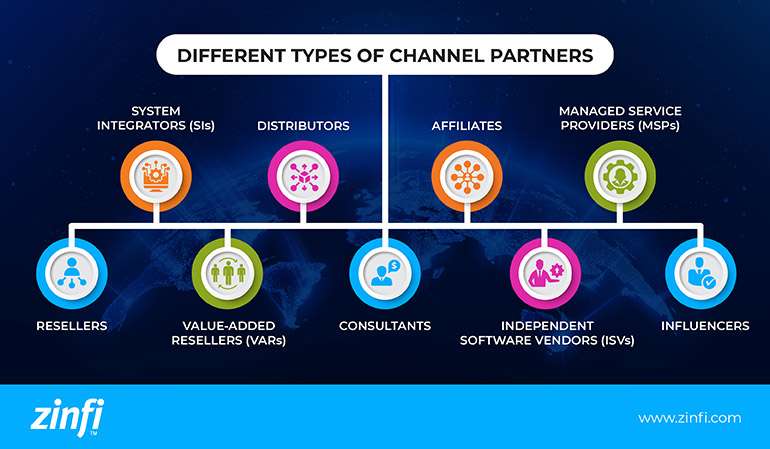
Indirect partner ecosystems include diverse business types. Each type serves a unique function in the distribution chain. Understanding these roles helps vendors build balanced programs.
Resellers purchase products from vendors and sell them to end customers. They may specialize in specific industries or product categories. Resellers provide the most direct route to market expansion.
Distributors buy in bulk and supply smaller resellers or retailers. They add value through inventory management, logistics, and product bundling. Distributors simplify vendor operations across large territories.
Value-Added Resellers (VARs) enhance vendor products with additional services or solutions. This includes installation, custom configurations, and complementary software. VARs create differentiated offerings that command premium pricing.
System Integrators (SIs) build complex solutions using products from multiple vendors. They ensure all components work together seamlessly for enterprise customers. System integrators handle large-scale deployments requiring deep technical expertise.
Managed Service Providers (MSPs) deliver ongoing IT and business services under subscription models. They provide continuous support, monitoring, and management for end customers. MSPs generate predictable recurring revenue for the indirect sales ecosystem.
Affiliates and Influencers promote products through digital marketing and thought leadership. They earn commissions based on leads or sales they generate. These partners expand brand awareness with minimal vendor investment.
How Do You Find and Recruit the Right Partners?
Recruiting the right channel partner requires a strategic and disciplined approach. Random recruitment leads to low engagement and wasted resources. A structured process ensures quality over quantity.
Start by defining your ideal partner profile based on market presence and capabilities. Consider factors like customer base, technical expertise, and cultural alignment. This profile guides all recruitment activities.
Develop a compelling value proposition that clearly articulates partnership benefits. Include financial incentives, marketing support, and training resources in your offer. Strong value propositions attract committed and capable partners.
Use targeted outreach through industry events, digital marketing, and direct sales engagement. Leverage partner relationship management platforms to streamline recruitment workflows. Technology accelerates the identification and qualification of prospective partners.
Evaluate candidates against defined criteria before extending partnership agreements. Assess their sales capabilities, market reputation, and financial stability thoroughly. Rigorous evaluation prevents costly misalignment later in the relationship.

What Benefits Do Indirect Partners Deliver?
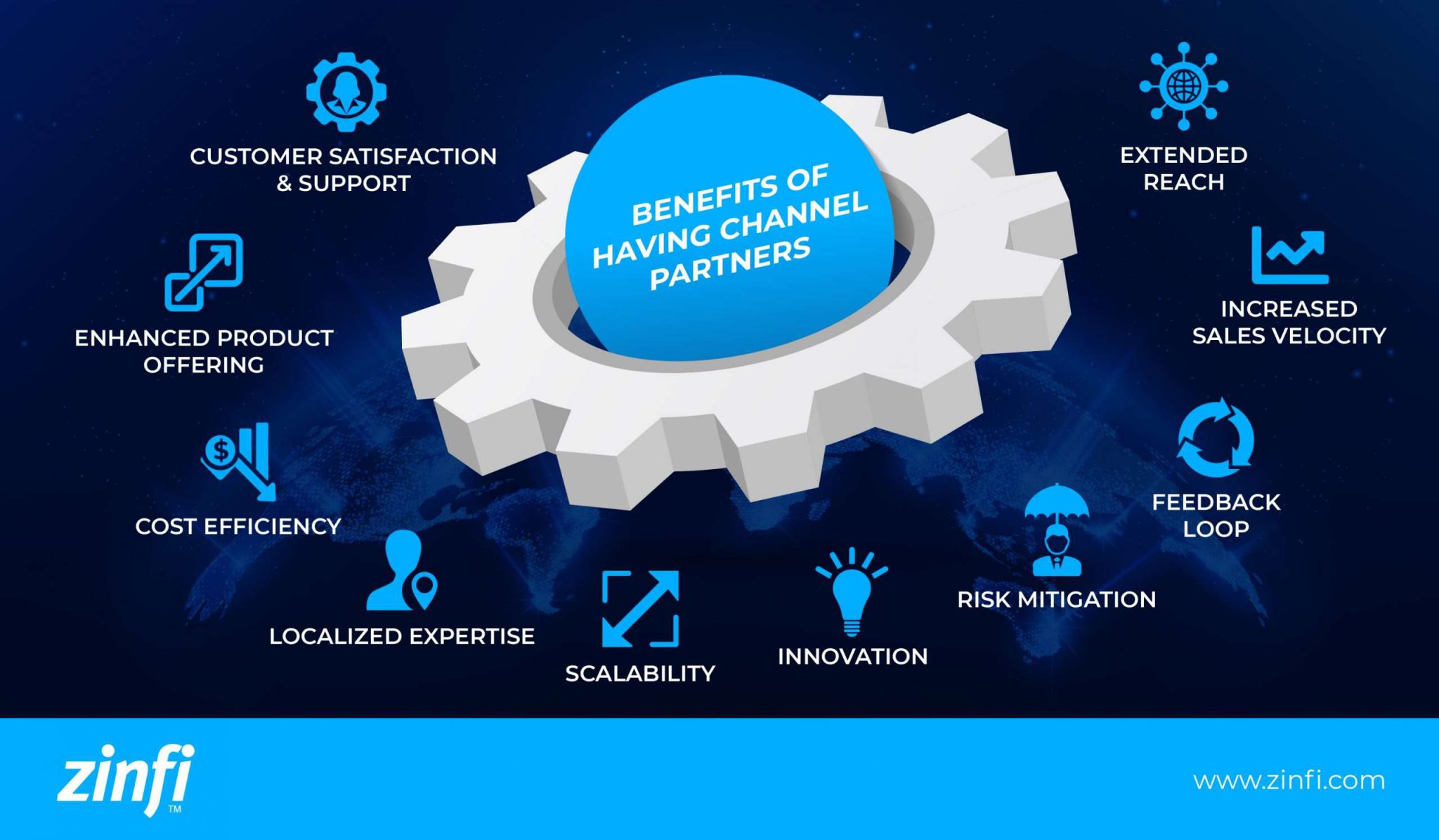
A well-managed partner network delivers measurable business advantages across multiple dimensions. These benefits compound as programs mature and capabilities strengthen over time. The impact extends across revenue, reach, and operational efficiency.
Extended market reach allows vendors to enter new territories without building direct sales teams. Channel partners bring established customer relationships and local market knowledge. This dramatically reduces the cost of geographic expansion.
Increased sales velocity results from partners leveraging their existing networks and expertise. They shorten sales cycles by providing trusted local recommendations to buyers. Partners who know their markets sell more effectively than remote vendor teams.
Cost efficiency improves because vendors share sales and marketing expenses with their partners. Variable commission structures replace fixed headcount costs for market coverage. This model scales revenue without proportionally scaling internal resources.
Enhanced product offerings emerge when VARs and integrators bundle vendor products with complementary solutions. These combined offerings address broader customer needs than standalone products. Bundled solutions increase average deal sizes and customer satisfaction.
Risk mitigation comes from diversifying revenue across multiple independent sales channels. No single partner failure can cripple the entire sales operation completely. Portfolio diversification protects vendors against market volatility and competitive threats.
| Capability | Without Partners | With Channel Partners |
|---|---|---|
| Market reach | Limited to direct sales territories | Extended across partner networks globally |
| Sales cost model | Fixed headcount and overhead | Variable commission-based structure |
| Local expertise | Requires building from scratch | Leverages existing partner knowledge |
| Time to market | Slow regional expansion | Rapid entry through established networks |
| Product bundling | Single vendor solutions only | Combined offerings with partner services |
| Customer support | Centralized vendor support only | Localized support through partner teams |
| Revenue risk | Concentrated in single channel | Diversified across multiple partners |
How Do You Align Partners with Business Strategy?
Strategic alignment ensures every partner contributes to overarching business objectives effectively. Without alignment, partner activities fragment across competing priorities and waste resources. Disciplined alignment processes prevent wasted effort and missed revenue targets.
Communicate your company vision, goals, and strategic plans with every channel partner. They must understand the direction and their specific role in achieving outcomes. Transparency builds trust and reinforces commitment to mutual success.
Establish joint objectives using the SMART framework for clarity and accountability. Integrate partners into strategic planning sessions to create shared ownership of goals. Partners who participate in planning execute strategies more effectively.
Design incentive programs that reward behaviors aligned with strategic priorities. Incentives should target specific customer segments, market expansion, and service excellence. Performance-based rewards drive the outcomes vendors need most.
Conduct regular strategy reviews to assess alignment and adjust as markets evolve. Use analytics dashboards to track partner activities against strategic goals. Data-driven reviews replace subjective assessments with actionable insights.
What Challenges Arise in Managing Partner Ecosystems?
Managing an indirect partner ecosystem presents operational and strategic challenges at scale. These challenges intensify as programs expand across regions and partner types. Proactive management prevents small issues from becoming systemic problems.
Objective alignment requires continuous effort because partners pursue their own business goals. Regular alignment sessions and shared planning processes keep priorities synchronized consistently. Without ongoing alignment, partner activities drift from vendor strategy over time.
Performance measurement becomes complex across diverse partner types and geographies. Standardized KPIs must account for different selling motions and market conditions. Unified reporting platforms eliminate data silos and enable fair comparisons.
Channel conflict occurs when multiple partners compete for the same customer opportunities. Clear rules of engagement and automated deal registration prevent destructive competition. Transparent conflict resolution builds trust across the entire partner ecosystem.
Brand consistency suffers when partners modify messaging without proper guidelines or oversight. Comprehensive training and co-branding tools maintain brand integrity across all channels. Automated marketing platforms ensure every partner represents the brand accurately.
How Do Partnerships Evolve Over Time?
Successful channel partner relationships require continuous evolution to remain competitive over time. Static programs lose relevance as markets, technologies, and customer expectations change. Proactive evolution sustains engagement and drives long-term growth.
Conduct regular partnership assessments against current market conditions and strategic direction. Use performance data to identify which partnerships deliver the highest returns. Assessment results guide investment decisions and program restructuring.
Provide ongoing training and development to keep partner skills current and competitive. Certification programs validate expertise and motivate continuous improvement across the ecosystem. Well-trained partners sell more effectively and deliver superior customer experiences.
Encourage innovation through collaborative business planning and joint solution development together. Partners who co-create solutions with vendors build deeper, more resilient relationships. Innovation keeps the indirect partner ecosystem ahead of competitive threats.
What Best Practices Drive Partner Program Success?
Best practices in channel partner management create predictable, scalable, and profitable partnerships. These practices apply across industries, partner types, and program maturity levels. Consistent execution of fundamentals separates high-performing programs from underperformers.
Selective recruitment ensures only partners with aligned goals and proven capabilities join. Quality partners outperform large numbers of unqualified participants consistently over time. Rigorous selection reduces churn and increases average partner productivity.
Structured onboarding accelerates time-to-first-sale for every new partner joining the program. Automated workflows guide partners through product training, certification, and go-to-market preparation. Fast onboarding translates directly into faster revenue generation.
Collaborative culture treats partners as strategic extensions of the vendor organization itself. Regular communication, shared resources, and mutual support build lasting loyalty. Partners who feel valued invest more deeply in the relationship.
Technology enablement provides partners with the tools they need to succeed independently. PRM platforms centralize content, training, deal registration, and performance tracking. Self-service tools reduce vendor support costs while increasing partner satisfaction.
How Does ZINFI Support Channel Partner Management?
ZINFI's Unified Partner Management platform provides the technology foundation for complete partner lifecycle management. The platform automates recruitment, onboarding, enablement, and performance optimization at enterprise scale.
The platform includes dedicated modules for partner onboarding, contract management, and business planning. These tools streamline operations that traditionally require manual coordination and spreadsheets. Automation frees managers to focus on strategic relationship building.
ZINFI's Through-Channel Marketing Automation enables partners to execute co-branded campaigns independently. Partners customize vendor-approved templates and deploy them in local markets. This capability scales marketing impact without proportionally scaling vendor marketing teams.
Frequently Asked Questions
What is a channel partner?
A channel partner is an independent business that collaborates with a vendor to market, sell, and support products or services through indirect sales channels to end customers.
What types of indirect partners exist?
Common types include resellers, distributors, value-added resellers, system integrators, managed service providers, affiliates, consultants, and independent software vendors.
How do you recruit the right partners?
Define an ideal partner profile, develop a compelling value proposition, use targeted outreach, and evaluate candidates against market presence and capability criteria.
What benefits do indirect partners provide?
Indirect partners extend market reach, increase sales velocity, reduce costs, enhance product offerings, and diversify revenue risk across multiple independent sales channels.
How do you align partners with business strategy?
Share your vision, establish joint SMART objectives, design aligned incentive programs, and conduct regular strategy reviews using performance analytics dashboards.
What challenges arise in managing partner ecosystems?
Common challenges include objective alignment, performance measurement across diverse partners, conflict resolution, and maintaining brand consistency across territories.
How does deal registration prevent conflict?
Deal registration automates opportunity submission, conflict detection, and approval workflows, ensuring fair credit assignment and preventing destructive competition between partners.
What role does training play in partner success?
Ongoing training and certification keep partner skills current, validate expertise, and directly improve sales effectiveness and customer satisfaction across the ecosystem.
How do partnerships evolve over time?
Partnerships evolve through regular assessment, ongoing training, collaborative innovation, program restructuring, and shared metrics that reflect mutual success definitions.
What technology supports partner management?
PRM platforms automate the entire partner lifecycle including recruitment, onboarding, enablement, deal registration, incentive management, and performance analytics.
About the author
Sugata Sanyal
Sugata Sanyal is the founder and CEO of ZINFI Technologies. He has extensive experience in building and scaling partner ecosystems across global markets using unified partner management platforms.