
Enhancing Channel Sales Efficiency: The Critical Role of Workflow Automation
Channel sales organizations achieve scalable growth and operational consistency by integrating workflow automation into partner recruitment, enablement, incentive management, and performance tracking processes. Companies that embrace automated workflows replace manual inefficiencies with data-driven decision-making and repeatable partner engagement across their entire distribution ecosystems.
Distributing products through third-party partners offers tremendous growth opportunities today. However, managing extensive partner networks manually creates operational bottlenecks consistently. Workflow automation eliminates these barriers and drives scalable revenue generation.
Channel sales strategies require structured approaches to partner selection and program management. Automating repetitive tasks frees teams to focus on strategic planning effectively. This technology-driven approach ensures consistency across all distribution activities.
This article explores how workflow automation enhances every aspect of partner distribution. Each section examines critical areas from recruitment to performance optimization. The result is a framework for achieving measurable and sustainable outcomes.
Key Takeaways
- Workflow automation streamlines partner recruitment, onboarding, and enablement for faster productivity.
- Automated incentive management ensures fair reward distribution and motivates consistent partner performance.
- Data analytics tools provide real-time insights for optimizing distribution strategies effectively.
- Channel sales programs require structured frameworks aligning partner behaviors with vendor objectives.
- Technology integration enables scalable growth while maintaining operational consistency across partner networks.
What Are the Core Benefits of Automated Partner Distribution?
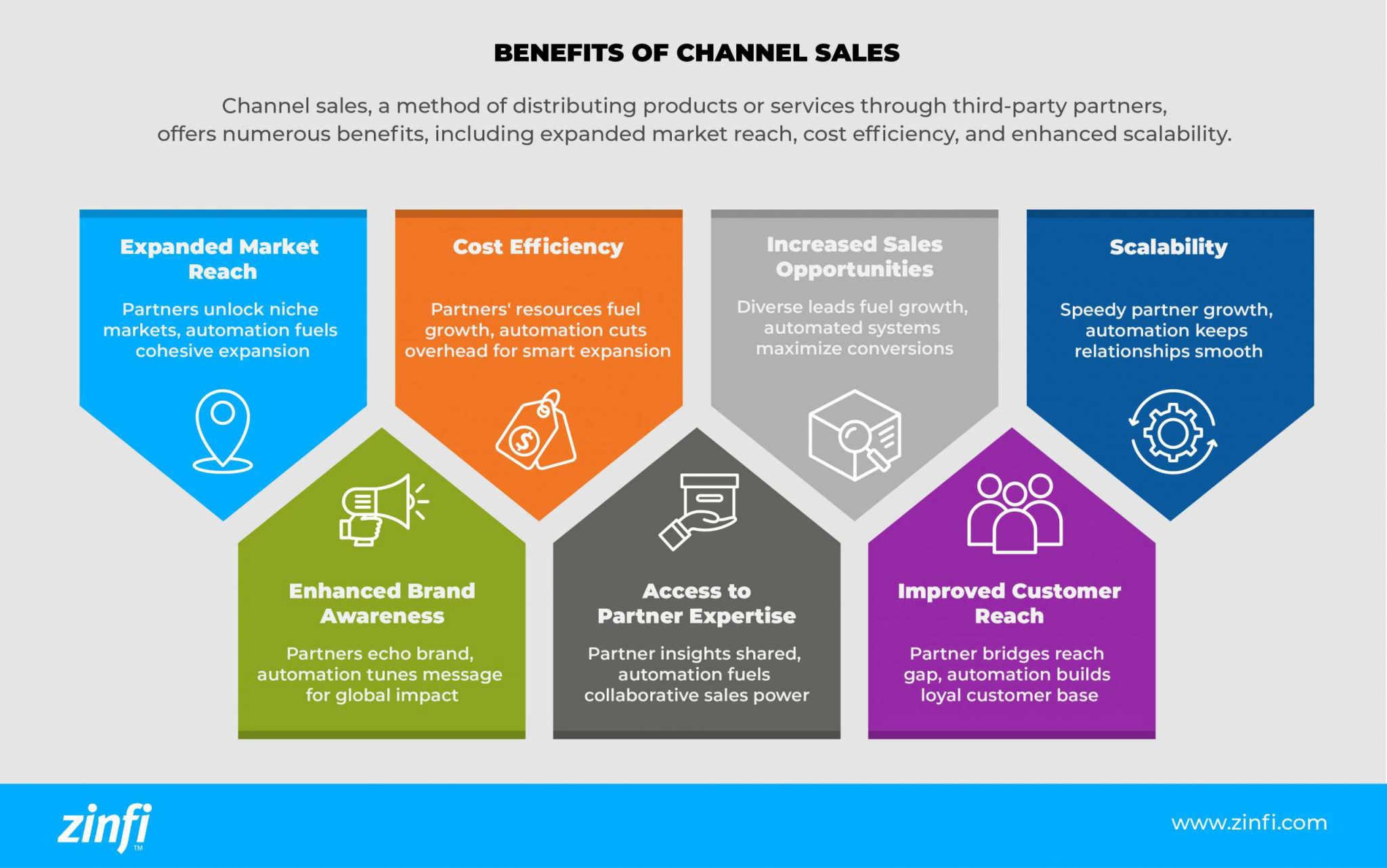
Distributing products through partners expands market reach into new geographic territories. Workflow automation streamlines integration of partner insights and market strategies effectively. This harmonized approach enables more effective penetration of diverse customer segments.
Channel sales reduce the need for building extensive internal infrastructure across regions. Automated workflows optimize coordination and communication between vendors and their partners. This efficiency minimizes administrative expenses while enabling cost-effective market expansion.
Diverse partner customer bases create broader spectrums of potential sales opportunities. Automated lead management systems distribute these opportunities and track their progress. Every qualified lead receives appropriate attention and resources for conversion.
Scalability represents a significant advantage of structured indirect distribution models today. Automation tools handle sudden increases in transactions and partner interactions efficiently. Organizations maintain service quality and relationship consistency during rapid growth periods.
Brand awareness amplifies across multiple markets through well-coordinated partner networks consistently. Workflow automation ensures messaging remains aligned with core company values throughout. This consistency builds strong recognizable brands that resonate with broader audiences.
How Does Automation Improve Partner Recruitment and Selection?
Finding ideal partners requires identifying businesses aligned with company values and goals. Automation tools filter potential partners based on predefined criteria for efficient screening. This focused approach ensures better organizational fit and more productive partnerships.
Defining ideal partner profiles considers market presence, customer base, and complementary offerings. Automated recruitment platforms cast wider nets to attract diverse qualified candidates effectively. These tools handle large inquiry volumes and sort applications against established standards.
Thorough vetting through automated systems analyzes financial stability and market reputation quickly. Compatibility assessment ensures seamless integration into existing distribution ecosystems and workflows. Channel sales leaders make informed recruitment decisions using comprehensive data-driven evaluations.
Evaluating technical expertise and selling proficiency ensures partners can support products effectively. Automated training and certification programs assess current capabilities and identify improvement areas. Partners develop necessary skills through structured learning pathways before active engagement.
Cultural alignment between vendors and partners creates foundations for collaborative relationships. Automated communication tools facilitate initial discussions and compatibility assessments early in recruitment. This proactive evaluation prevents misaligned partnerships that drain resources without results.
How Do Organizations Build Successful Partner Programs?
Building successful programs requires structured frameworks supporting partner growth and business alignment. Well-defined program structures outline specific goals, roles, and expectations for participants. Automation tools create and distribute these frameworks ensuring universal partner understanding.
Effective training through automated learning management systems delivers comprehensive partner education. These systems provide product details and advanced selling techniques in accessible formats. Consistent training maintains high service standards across geographically distributed networks.
Clear performance metrics enable accurate evaluation of program effectiveness across partners. Automated tools monitor targets including revenue growth, engagement levels, and market penetration. Real-time data identifies trends and areas requiring strategic intervention or support.
Marketing and sales support equips partners with essential co-branded assets and content. Channel sales organizations leverage automation to maintain brand-consistent materials across all partners. This unified approach empowers effective selling while preserving cohesive brand messaging.
Regular program reviews using analytics tools ensure strategies remain relevant and effective. Continuous assessment allows timely adaptations to changing market conditions and partner needs. This disciplined approach sustains program momentum through evolving business environments.
Why Is Automated Incentive Management Critical for Partner Motivation?
Understanding what motivates partners is crucial for designing effective incentive programs. Automated surveys and feedback tools gather motivational insights from partners efficiently. This information enables tailored approaches addressing each partner's unique performance drivers.
Comprehensive incentive programs encompass financial rewards alongside non-financial recognition opportunities. Commissions, bonuses, training access, and exclusive rights create well-rounded motivation packages. Automation tools manage and track distribution ensuring fairness and transparency consistently.
Tiered reward systems create healthy competitive environments encouraging higher performance levels. Automated tracking monitors partner achievements and allocates rewards based on predefined criteria. This transparent approach reinforces commitment and drives consistent selling activity.
Recognizing and celebrating partner achievements maintains high morale across distribution networks. Automated platforms facilitate public acknowledgments, awards, and collaborative recognition events effectively. This fosters community belonging and encourages continued excellence among all participants.
Adapting incentives based on performance data ensures programs remain relevant over time. Regular analysis through automation tools aligns rewards with evolving market dynamics accurately. Flexible incentive structures sustain partner engagement through changing business conditions consistently.
How Do Organizations Measure Distribution Program Success Effectively?
Establishing clear key performance indicators is essential for measuring program outcomes accurately. Metrics including sales volume, revenue growth, and customer satisfaction provide comprehensive views. Workflow automation enables real-time tracking offering immediate insights into program health.
Automated reporting systems streamline data gathering and analysis for regular program assessment. These tools highlight trends, pinpoint attention areas, and evaluate strategy effectiveness consistently. Channel sales leaders make informed decisions using timely and accurate performance data.
Monitoring individual partner performance reveals specific strengths and improvement opportunities across networks. Automated tools identify top performers and areas requiring targeted support or intervention. Close monitoring ensures partner activities remain aligned with overall business objectives.
Customer feedback collection through automated surveys assesses market response to products and services. This input identifies satisfaction levels and areas for improvement across offerings. Data-driven customer insights enhance product positioning and service delivery strategies.
Profitability analysis using automated financial tools assesses program economic impact comprehensively. These tools analyze direct and indirect costs providing clear return-on-investment calculations. Regular strategy reviews ensure distribution programs remain competitive and financially sustainable.
What Common Challenges Do Partner Distribution Programs Face?
Managing diverse partners with unique strengths and operational needs presents complex challenges. Automation tools provide standardized management protocols while allowing necessary customization flexibility. Performance tracking and personalized support strategies address each partner's unique profile.
Maintaining brand consistency across multiple partners requires coordinated marketing asset management. Automated marketing tools distribute brand-compliant materials and monitor usage across channels. Real-time feedback ensures unified brand presentation regardless of geographic distribution scope.
Integrating data from multiple distribution channels demands centralized collection and analysis capabilities. Workflow automation solves this by providing unified platforms for comprehensive data management. Seamless integration enables informed decision-making based on complete performance visibility.
Channel conflict in multi-partner strategies creates competitive tensions and operational inefficiencies. Automation tools define territories, rules, and responsibilities preventing overlaps between partners. Transparent deal registration and equitable lead distribution foster collaboration over competition.
Adapting to market changes requires agility supported by real-time data and analytics. Automation tools identify emerging trends and shifts in customer preferences proactively today. Swift strategy adjustments maintain competitive advantages in evolving business landscapes consistently.
| Capability | Manual Approach | Workflow Automation Approach |
|---|---|---|
| Partner recruitment | Subjective selection based on limited criteria and personal networks | Data-driven screening with automated filtering against predefined profiles |
| Onboarding process | Ad hoc training with inconsistent resource delivery across partners | Systematic automated programs with structured learning pathways and tracking |
| Incentive management | Manual tracking with delayed reward distribution and limited visibility | Automated tiered systems with transparent real-time performance monitoring |
| Performance measurement | Periodic manual reporting with incomplete data and delayed insights | Real-time automated dashboards with comprehensive KPI tracking and analysis |
| Brand consistency | Inconsistent messaging across partners with limited enforcement controls | Centralized asset distribution with automated compliance monitoring tools |
| Data integration | Siloed information from multiple channels requiring manual consolidation | Unified platforms providing comprehensive cross-channel visibility and analytics |
| Market adaptation | Reactive adjustments based on lagging indicators and delayed analysis | Proactive strategy shifts using real-time market data and trend identification |
How Does ZINFI Support Workflow Automation for Partner Programs?
ZINFI provides a comprehensive partner relationship management platform for distribution organizations. The system automates partner onboarding, enablement, and performance tracking across ecosystems. A unified interface delivers operational simplicity for managing complex partner networks.
The platform enables channel sales organizations to implement workflow automation systematically and efficiently. Automated processes support recruitment, training, and ongoing engagement at enterprise scale. Program managers focus on strategic decisions while the system handles operational execution.
- Automated partner recruitment. Screening and onboarding tools accelerate partner integration into distribution ecosystems.
- Learning management systems. SCORM-compliant training modules deliver consistent partner education across geographies.
- Incentive program automation. Transparent tracking and reward distribution maintain consistent partner motivation levels.
- Performance analytics dashboards. Real-time visibility into partner activity supports data-driven optimization decisions.
- Business planning tools. Collaborative planning features align partner and vendor objectives strategically for growth.
- Co-branded marketing assets. Personalized campaign tools help partners generate local demand while maintaining brand consistency.
Frequently Asked Questions
How does workflow automation enhance channel sales scalability?
Automation handles increased transactions and partner interactions without adding manual overhead costs.
What role does data analytics play in optimizing partner distribution?
Analytics monitors market trends, partner performance, and customer preferences for informed decisions.
How do automated incentive programs improve partner motivation?
Transparent tracking and tiered rewards ensure fair distribution and encourage consistent selling activity.
What administrative tasks benefit most from workflow automation?
Contract management, incentive calculations, and compliance checks benefit significantly from automation tools.
How does automation improve the partner recruitment process?
Automated screening filters candidates against predefined criteria ensuring better organizational alignment quickly.
Why is brand consistency important across partner networks?
Consistent messaging builds stronger brand recognition and trust with customers across all markets.
How do learning management systems support partner enablement?
Automated LMS platforms deliver consistent training materials and track partner progress across networks.
What challenges does channel conflict create in distribution programs?
Overlapping territories and unclear responsibilities create competitive tensions reducing overall program effectiveness.
How should organizations measure distribution program profitability?
Automated financial tools analyze direct and indirect costs providing clear return-on-investment calculations.
How does ZINFI support workflow automation for partner programs?
ZINFI automates recruitment, onboarding, enablement, incentive tracking, and performance management across ecosystems.
About the author
Sugata Sanyal
Sugata loves solving complex industry problems in a way that creates hundreds of new jobs and opportunities. Over the past three decades, Sugata has worked in three large Fortune 100 organizations – Honeywell, Philips, and Dell SonicWALL – learning how to put together global teams that can work together to help customers win, create a wealth of new opportunities, and do amazing things. Sugata founded ZINFI with the mission of solving the entire challenge of marketing and selling, both directly and indirectly, through the channel. Over the past several years, his leadership on the ZINFI team has built a highly customer-focused global organization that constantly innovates and always asks how it can do better and deliver more for less.