Building Bridges: Best Practices in Partner Relationship Management (PRM)
Effective Partner Relationship Management involves a strategic blend of clear communication, mutual trust, and advanced technology. This approach helps companies and their partners work together toward shared goals. It creates a strong foundation for long-term success and scalable growth.
Key Takeaways for Partner Relationship Management
Strong Partner Relationship Management is critical for building profitable channel partnerships.
Clear communication and defined goals are the foundation of a successful PRM strategy.
A robust prm solution automates key processes and provides valuable data insights.
Partner enablement through training and resources is essential for achieving joint success.
Predictive analytics can help forecast partner performance and highlight new opportunities.
Consistent engagement and dedicated support prevent partner churn while building loyalty.
Measuring performance with clear KPIs is vital for optimizing your partner program.
How Does a Strong Partner Relationship Management Strategy Begin?
A successful program starts with a solid and well-defined foundation. You must first establish clear objectives for your partner ecosystem. This means knowing what you want to achieve with your partners.
Your goals should be specific, measurable, achievable, relevant, and time-bound. Both you and your partners must understand and agree upon these objectives. This alignment ensures everyone is working toward the same results from day one.
Next, you need to define your ideal partner profile with great detail. Not every company is a good fit for your channel program. Consider factors like industry expertise, market reach, company culture, and technical skills.
Developing a detailed profile helps you recruit the right partners more effectively. A strong recruitment process saves time and resources in the long run. It sets the stage for a more productive and harmonious Partner Relationship Management experience.
Once you identify potential partners, a formal agreement is absolutely essential. The partner contract should outline all expectations, responsibilities, and legal terms clearly. This document protects both your organization and your new channel partners.
ZINFI’s partner contracts management module can help streamline this complex process. It ensures consistency and compliance across your entire partner network. A solid contract prevents future misunderstandings and disputes.

The final foundational step is a structured and comprehensive partner onboarding process. The first 90 days are critical for setting the tone of the relationship. A poor onboarding experience can lead to partner disengagement and early churn.
Your onboarding should provide partners with all the necessary tools and information. This includes access to your partner portal, product training, and marketing materials. It should guide them on how to start selling and engaging with your brand.
An automated and guided onboarding journey simplifies this critical phase. It makes partners feel supported and valued from the very beginning. This positive start is a core tenet of effective Partner Relationship Management.
What Role Does Technology Play in Partner Relationship Management?
Technology is the engine that drives modern Partner Relationship Management. Manual methods like spreadsheets and email are no longer sufficient for managing complex ecosystems. A dedicated prm solution is now a fundamental requirement for growth.
A PRM platform acts as a centralized hub for all partner-related activities. It brings communication, content, training, and performance data into one place. This single source of truth eliminates confusion and improves overall efficiency.
Automation is one of the most significant benefits of a prm solution. It can automate repetitive tasks like lead distribution, deal registration, and incentive claims. This frees up your channel account managers to focus on more strategic activities.
For example, you can automatically assign leads to the best-suited partner. The system can use rules based on geography, expertise, or certification level. This automation ensures rapid follow-up and increases the likelihood of closing a deal.
Data and analytics are also crucial components of technology-driven partner management. A robust platform provides deep insights into every aspect of your channel program. This includes detailed reports on sales, marketing engagement, and partner performance.
You can use performance analytics to see which partners are excelling. You can also identify which ones may need additional support or training. These insights are invaluable for making data-driven decisions to optimize your strategy.
Industry experts emphasize the importance of these platforms for scaling channel operations. According to major analysts like Gartner, a PRM solution is vital for organizations looking to gain a competitive edge. It helps manage the entire partner lifecycle effectively.
ZINFI's platform includes powerful business intelligence and reports modules. They offer customizable dashboards and real-time data visualization. This empowers you to monitor the health of your Partner Relationship Management efforts constantly.

Furthermore, technology facilitates better communication and collaboration with partners. Features like a centralized content library ensure partners always have the latest assets. A built-in communication tool can keep them informed about new products or program updates.
The right prm solution transforms your approach to managing partnerships. It moves you from a reactive stance to a proactive, strategic one. This shift is essential for building a thriving and profitable partner ecosystem.
How Can You Enhance Partner Engagement and Enablement?
Partner enablement is the process of providing your partners with necessary resources. These resources help them sell your products and services effectively. A well-executed enablement strategy is a cornerstone of great Partner Relationship Management.
It starts with comprehensive and accessible training. Partners need to understand your products, your brand, and your sales process. A modern Learning Management System (LMS) is the best way to deliver this training.
ZINFI’s partner learning management plus platform offers flexible and engaging training modules. You can create learning paths with courses, videos, and quizzes. This enables partners to learn at their own pace and on their own schedule.
Beyond training, partners need access to high-quality sales and marketing assets. This includes brochures, case studies, email templates, and social media content. Providing these materials makes it easier for partners to go to market.
An effective prm solution should include a module for managing co-brandable assets. This allows partners to easily add their own logo to your marketing materials. ZINFI’s co-branded assets management tool simplifies this entire workflow.
Consistent engagement is just as important as initial enablement. You must maintain regular, meaningful communication with your partner network. This keeps your brand top of mind and shows partners you are invested in them.
Use your partner portal to share news, program updates, and success stories. Regular newsletters and webinars can also be very effective engagement tools. The goal is to build a vibrant and interactive community around your brand.
Consider implementing a partner community management module within your PRM platform. This provides a forum for partners to connect with each other. They can share best practices, ask questions, and collaborate on opportunities.
Recognizing and rewarding partner achievements is another powerful engagement tactic. This can be done through formal incentive programs or simply by highlighting top performers. Public recognition fosters a sense of accomplishment and healthy competition.
Ultimately, strong engagement and enablement lead to more loyal and productive partners. When partners feel supported and equipped, they are more motivated to invest in your brand. This creates a mutually beneficial dynamic that drives a successful Partner Relationship Management strategy.
Why is Measuring and Optimizing Key to Partner Relationship Management?
You cannot improve what you do not measure in your partner program. Continuous measurement and optimization are vital for long-term success in Partner Relationship Management. It allows you to identify what works and what does not.
The first step is to define the key performance indicators (KPIs) for your program. These metrics should align directly with your overall business objectives. Common KPIs include partner-sourced revenue, pipeline growth, deal registration volume, and lead conversion rates.
You should also track engagement metrics like portal logins, training completions, and marketing asset downloads. These indicators provide a complete picture of partner health and activity. They help you understand who is engaged and who might be at risk of churn.
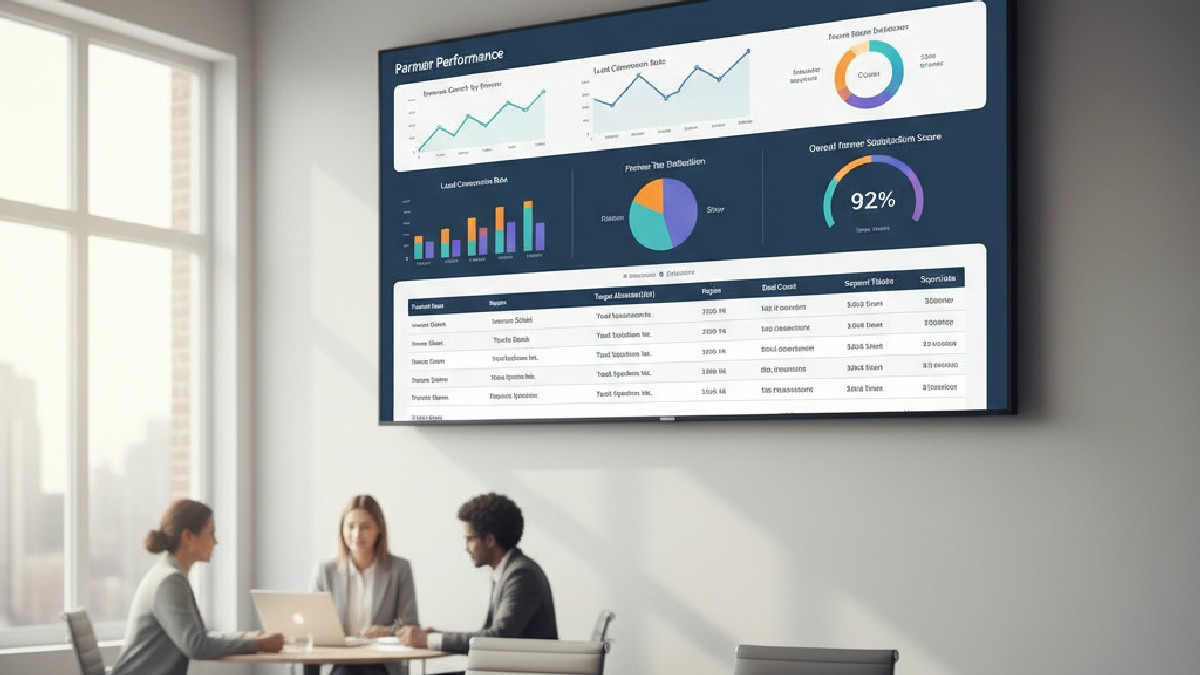
A comprehensive prm solution is essential for tracking these KPIs accurately. It should provide dashboards that display real-time data in an easy-to-understand format. This enables you to monitor program performance at a glance.
Once you have the data, you can begin the optimization process. Analyze the performance of different partner segments, regions, and program tiers. This analysis will reveal trends, opportunities, and areas that need improvement.
For example, you might find that partners who complete advanced training generate more revenue. You can use this insight to incentivize more partners to get certified. Data-driven decisions lead to more effective program adjustments.
Predictive analytics can take your optimization efforts to the next level. This technology uses historical data and AI to forecast future outcomes. It can help you identify which partners are likely to become top performers.
It can also signal which partners are at risk of becoming inactive. This allows you to intervene proactively with targeted support or incentives. This predictive capability is a powerful tool for proactive Partner Relationship Management.
Business planning with partners is also a critical part of the optimization cycle. Regularly review performance and set new goals together with your key partners. ZINFI’s partner business planning module facilitates this collaborative process.
Finally, always solicit feedback directly from your partners. Use surveys and advisory councils to understand their challenges and needs. This qualitative input, combined with your quantitative data, provides a holistic view for continuous improvement.
Traditional vs. AI-Powered Partner Relationship Management
| Feature | Traditional Approach | AI-Powered PRM Solution |
| Onboarding | Manual, document-heavy, and often inconsistent. | Automated, guided workflows with personalized content. |
| Communication | Siloed, relies on email and phone calls. | Centralized, multi-channel, and context-aware. |
| Lead Management | Manual distribution, slow, and prone to conflict. | Automated routing based on rules and performance. |
| Performance Tracking | Based on historical data in spreadsheets. | Real-time dashboards with performance analytics. |
| Personalization | Generic, one-size-fits-all partner experience. | Hyper-personalized portal content and communication. |
| Forecasting | Relies on intuition and lagging sales indicators. | Uses predictive analytics for accurate forecasting. |
How ZINFI Elevates Your Partner Relationship Management
ZINFI offers a Unified Partner Management platform that transforms your channel strategy. Our comprehensive prm solution provides all the tools you need in one integrated system. We empower you to build, manage, and grow a successful partner ecosystem.
Here’s how ZINFI specifically enhances your Partner Relationship Management:
Comprehensive Automation: Automate workflows for onboarding, lead management, and more with our workflow management module, increasing efficiency and consistency.
Advanced Analytics: Gain deep insights with real-time dashboards and performance analytics using our business intelligence tools to make smarter decisions.
Seamless Enablement: Equip partners for success with our robust partner learning management system and easy-to-use content libraries.
Integrated Marketing: Empower partners with through-channel marketing automation (TCMA) tools like email marketing management and social syndication.
Flexible Incentive Programs: Design and manage complex incentive programs, including market development funds (MDF) and rebates, to motivate partners.
Unified Experience: Provide a seamless, branded experience across all devices, including a dedicated mobile application for partners on the go.
Partner Relationship Management: Frequently Asked Questions
What is Partner Relationship Management (PRM)?
Partner Relationship Management is the combination of strategies, processes, and technologies. They are used to manage and nurture relationships with channel partners. The goal is to maximize the value of these partnerships.
Why is Partner Relationship Management important?
Effective PRM drives channel revenue and increases market reach at scale. It builds partner loyalty, improves collaboration, and provides a competitive advantage. It ensures your partners are aligned with your business goals.
What is a prm solution?
A prm solution is a software platform designed to manage channel partnerships. It automates tasks and centralizes communication, enablement, and performance tracking. It provides a single portal for partners to interact with your company.
What are the key features of a good prm solution?
Key features include partner onboarding, training (LMS), and content management. It also needs lead management, deal registration, and incentive management. Analytics and reporting are also essential components for any modern platform.
How does PRM help with partner onboarding?
A good Partner Relationship Management system automates the onboarding process. It provides a structured journey with checklists, training modules, and resource access. This ensures a consistent and efficient experience for all new partners.
Can a PRM platform improve partner engagement?
Yes, a PRM platform is essential for boosting partner engagement. It provides a central hub for communication and a library for marketing assets. It also offers training and performance dashboards to keep partners active.
What KPIs should I track in Partner Relationship Management?
You should track partner-sourced revenue, pipeline value, and deal registration volume. Also monitor training completion rates, marketing campaign engagement, and portal activity. These metrics provide a holistic view of program health.
How can I prevent partner churn?
Prevent churn by providing strong onboarding, ongoing enablement, and responsive support. Offer competitive incentives and maintain regular, transparent communication. A strong Partner Relationship Management strategy makes partners feel valued.
What is the difference between PRM and CRM?
CRM (Customer Relationship Management) systems are designed for managing direct customer relationships. A prm solution is specifically designed to manage indirect sales channel partners. PRM addresses the unique needs of a partner ecosystem.
How do I choose the right prm solution?
Choose a prm solution that aligns with your business goals and can scale. Look for a unified platform with comprehensive features for the entire partner lifecycle. Consider ease of use, integration capabilities, and vendor support.
About the author
Sugata Sanyal
Sugata Sanyal is the Founder & CEO of ZINFI Technologies, a leader in Unified Partner Management. He has been a passionate advocate for the channel and channel partners for decades. His vision for ZINFI is to provide partner ecosystems with the tools they need to succeed.