Channel Marketing improves alignment by establishing shared metrics and a unified go-to-market strategy between marketing, sales, and vendors. This ensures that marketing activities generate high-quality leads directly relevant to sales objectives, thereby reducing the friction typically associated with siloed departments.
Best Practices Articles

Maximizing Growth Through Integrated Channel Marketing Strategies
Channel Marketing is the strategic coordination of marketing, sales, and vendor alliances to drive revenue through a distribution ecosystem. It transitions the business from linear resale transactions to a sophisticated, integrated solution provider model. D&H Distributing utilizes this framework to replace obsolete, isolated lead-generation tactics with unified go-to-market strategies, leveraging platforms like MKT+SHIFT to scale partner growth.
- Who is this for? IT solution providers, channel managers, vendor alliance directors, and distribution executives.
- Core Problem Solved: The misalignment between marketing departments and sales teams that leads to stagnant growth and inefficient lead conversion.
- Key Tech/Entities: MKT+SHIFT self-service platform, consumption-based service models, and integrated channel ecosystems.
The Evolution of the Modern Channel Marketing Ecosystem
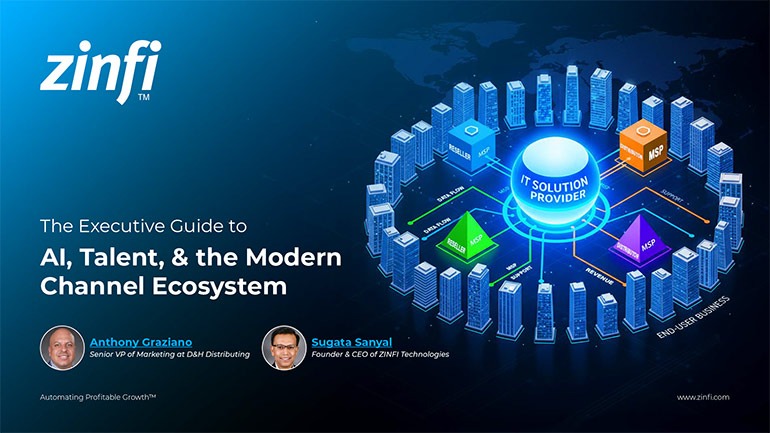
In today’s complex IT ecosystem, the distance between strategy and successful execution often hinges on aligning Channel Marketing and sales. Historically, the industry operated on a traditional "channel" approach—a simple, linear resale transaction where products moved from vendor to distributor to reseller. However, the industry is currently navigating a profound structural change. We are shifting toward a sophisticated, integrated ecosystem driven by the necessity for solution providers to deliver comprehensive, consumption-based services and engage with a broader set of influencers beyond the traditional reseller. This evolution requires a fundamental rethink of how Channel Marketing functions. Modern businesses can no longer afford to view marketing as a separate entity that hands over leads to a sales team. Instead, the relationship between marketing, sales, and vendor alliances forms the foundation upon which profitable growth is built. The shift toward an ecosystem model means that value is created through collaboration rather than just the movement of physical goods.Bridging the Gap Between Strategy and Execution
Anthony Graziano, Senior Vice President of Marketing at D&H Distributing, brings nearly two decades of experience to this transition. Having navigated the intricacies of distribution at companies such as Tech Data, SYNNEX, and D&H, Graziano notes that the traditional model—where marketing operates in isolation—is functionally obsolete. The modern ecosystem demands a deeply integrated approach where all three groups—marketing, sales, and vendors—share common goals, metrics, and a unified go-to-market strategy.
At D&H, this focus on alignment is central to the mission of transforming the approach to Channel Marketing. By reinforcing the company’s role as a trusted partner, they ensure that every marketing effort is directly tied to a sales outcome and a vendor objective. This level of synchronization is what separates market leaders from those struggling to adapt to the "as-a-service" economy.
The Pillars of Integrated Channel Marketing
To achieve a density of 1% for the term Channel Marketing while providing high-value content, we must examine the specific pillars that support this discipline. Integrated marketing in the channel is not just about sending emails; it is about creating a symbiotic environment where information flows freely between the manufacturer and the end-user through various intermediaries.- Vendor Alliance Synchronization
Successful Channel Marketing begins with the vendor. Vendors provide the product roadmap, the brand authority, and often the funding (in the form of MDF—Market Development Funds). When a distributor aligns its marketing efforts with the vendor’s core objectives, it creates a multiplier effect. This alignment ensures that the messaging seen by the partner is consistent with the vendor’s global vision, reducing market confusion and increasing the speed of adoption for new technologies.
- Sales and Marketing Convergence
The "hand-off" model is dead. In a high-performing Channel Marketing environment, sales and marketing operate as a single unit. Marketing provides the air cover and lead generation, while sales provides the boots-on-the-ground feedback that informs future campaigns. This feedback loop is essential. If a specific campaign is generating a high volume of low-quality leads, the sales team must communicate this to the Channel Marketing team immediately to pivot the strategy.
- Partner Enablement and Education
The final pillar is the partner. In an ecosystem, the partner is often the face of the brand to the end customer. Therefore, Channel Marketing must focus heavily on enablement. This includes providing partners with the necessary tools, training, and collateral to represent complex solutions accurately. Education is a form of marketing; by teaching a partner how to sell a consumption-based service, you are marketing the viability of that business model to them.
Leveraging Automation in Channel Marketing
A critical component of modernizing Channel Marketing efforts is the implementation of self-service automation. However, technology alone is not a panacea for deeply ingrained alignment issues. The success of platforms like MKT+SHIFT is a testament to the effective blending of high-scale automation with essential high-touch support.
The Role of MKT+SHIFT in Partner Success
The MKT+SHIFT platform allows partners to access sophisticated marketing tools without requiring a massive internal marketing department. This democratizes Channel Marketing capabilities, allowing smaller solution providers to compete with larger entities. By providing ready-to-use templates, automated campaign workflows, and real-time data tracking, the platform ensures that marketing efforts are consistent and professional.
Effective Channel Marketing automation should:
- Reduce Friction: Make it easy for partners to launch campaigns with a few clicks.
- Ensure Brand Consistency: Maintain vendor standards across diverse partner networks to maintain brand consistency.
- Provide Actionable Data: Offer insights into which tactics are driving actual sales conversions.
- Facilitate Personalization: Allow partners to add their own unique value proposition to vendor-provided content.
Identifying and Avoiding Common Pitfalls
When attempting to modernize Channel Marketing efforts, many companies fall into predictable traps. Identifying these early is essential for maintaining momentum and ensuring a return on investment.Pitfall 1: Siloed Data and Metrics
If marketing is measured by "clicks" while sales is measured by "closed deals," the two departments will inevitably clash. Integrated Channel Marketing requires shared KPIs (Key Performance Indicators). Both teams should be looking at the same dashboard, tracking a lead from the initial touchpoint through to the final contract signature. Without unified data, it is impossible to calculate the true ROI of your marketing spend.
Pitfall 2: Over-Reliance on Technology
While automation is vital, it cannot replace human relationships. Distribution is a people-centric business. Channel Marketing must include a "high-touch" component where subject matter experts are available to guide partners through complex solution selling. Technology should enhance human interaction, not replace it. If a partner feels like they are just a number in an automated system, loyalty will diminish.
Pitfall 3: Ignoring the Influencer Network
The traditional reseller is no longer the only player in the game. The modern ecosystem includes consultants, cloud service providers, and niche integrators who may never actually "touch" the product. A robust Channel Marketing strategy must engage with a broader set of influencers who are instrumental in the customer's decision-making process. Failing to market to these influencers means missing out on a significant portion of the modern buying journey.
The Playbook for Aligning Marketing, Sales, and Vendors
Achieving true success requires a cultural commitment to collaboration and teamwork. This playbook outlines the essential steps for aligning the three core functions of the distribution business to optimize Channel Marketing outcomes.Phase 1: Planning and Strategy
Before launching any campaigns, the marketing, sales, and vendor alliance teams must agree on the target audience and the value proposition. This ensures that the Channel Marketing messaging resonates with the actual pain points that the sales team hears about on the front lines. This phase should also involve the allocation of MDF to ensure funds are being spent on high-priority strategic initiatives rather than "random acts of marketing."
Phase 2: Content Creation and Distribution
Content is the fuel for Channel Marketing. In this phase, the focus should be on creating high-quality, educational content that helps the partner solve a problem. This content should be easily accessible through a partner portal or automation platform. The goal is to make the partner's life easier. If they have to spend hours reformatting a PDF, they won't use it.
Phase 3: Execution and Lead Management
Once the campaigns are live, the focus shifts to lead management. A lead generated through a Channel Marketing initiative must be routed to the right salesperson or partner immediately. Speed to lead is a significant factor in conversion rates. This phase also requires constant monitoring of campaign performance to ensure that the messaging is landing as intended.
Phase 4: Measurement and Optimization
The final phase involves a thorough examination of the data. What worked? What didn't? Channel Marketing is an iterative process. By analyzing the data from a completed campaign, teams can refine their approach for the next quarter. This is where the "integrated" part of the strategy pays off, as sales data can be used to justify future marketing investments.
The Impact of Consumption-Based Models on Channel Marketing
The shift toward consumption-based services (SaaS, IaaS, etc.) has fundamentally changed the timing and nature of Channel Marketing. In a traditional hardware sale, marketing's job was done mainly once the product was shipped. In a consumption model, the "sale" happens every month.
This means Channel Marketing must now focus on:
- Customer Retention: Marketing to existing customers to ensure they continue to see value in the service.
- Upsell and Cross-sell: Identifying opportunities within the current install base to expand the footprint.
- Usage Advocacy: Encouraging customers to fully utilize the features of the service they are paying for.
This "lifecycle marketing" approach requires a much tighter integration between the distributor and the partner, as they must work together to maintain the customer relationship over years, not just days.
Cultural Commitment: The Foundation of Success
Achieving true channel success requires more than just new software; it requires a cultural shift. This commitment is essential for capitalizing on the vast growth opportunities available in the rapidly evolving technology landscape. Leaders must champion a mindset where Channel Marketing is viewed not as a cost center, but as a primary driver of revenue and partner loyalty.
The hard-earned lessons from the front lines of the distribution business show that companies that prioritize alignment are more resilient to market shifts. By focusing on integrated ecosystems rather than linear transactions, organizations can build a sustainable competitive advantage. Channel Marketing is the glue that holds these ecosystems together, ensuring that every participant—from the vendor to the end-user—is moving in the same direction.
Conclusion: The Future of Channel Marketing
As we look toward the future, the role of Channel Marketing will only become more complex and more vital. The rise of AI, the expansion of the "everything-as-a-service" model, and the increasing importance of data privacy will all present new challenges. However, the core principles of alignment, automation, and empathy for the partner's journey will remain constant.
By investing in a robust Channel Marketing framework today, organizations are not just preparing for the next quarter; they are building the infrastructure for long-term survival in an increasingly digital world. The transition from a linear channel to a dynamic ecosystem is not optional; it is a requirement for growth. Those who master the art and science of Channel Marketing will be the ones who lead the industry into its next era of innovation.
Frequently Asked Questions
What are the benefits of self-service automation in distribution?
Self-service automation allows partners to scale their marketing efforts through standardized platforms like MKT+SHIFT. This provides high-scale efficiency, ensures vendor brand compliance, and allows smaller partners to access professional-grade Channel Marketing tools without high overhead.
Is Channel Marketing compatible with consumption-based service models?
Yes, Channel Marketing is essential for consumption-based models as it focuses on long-term engagement and influencer networks. This strategy moves beyond one-time transactions to support recurring revenue, customer retention, and ongoing service delivery throughout the product lifecycle.
What is the role of a "channel ecosystem" in modern IT?
A channel ecosystem replaces linear resale models with a web of integrated relationships between vendors, distributors, and influencers. Effective Channel Marketing within this ecosystem ensures all partners—regardless of their role in the transaction—are equipped to deliver comprehensive, multi-vendor solutions.
Why is cultural commitment necessary for Channel Marketing success?
Cultural commitment is essential because accurate alignment requires breaking down departmental silos and sharing sensitive data. Without a leadership-driven culture of collaboration, Channel Marketing initiatives often fail due to internal competition or a lack of communication between sales and marketing teams.