Mastering Email Marketing: 5 Strategies to Cut Through Inbox Clutter
Effective email marketing requires cutting through the noise of a crowded digital inbox. To achieve this, you must adopt strategies that prioritize personalization and genuine value.
In today's digital landscape, the average person receives dozens of emails every day. This high volume makes it incredibly challenging for businesses to capture audience attention.
Standing out requires more than just sending a message; it demands a thoughtful approach. You need a strategy that makes your emails a welcome sight for your subscribers.
This means moving away from generic email blasts that get ignored or deleted. Your focus should shift towards creating meaningful and relevant interactions with your audience.
We will explore five key strategies to help your campaigns succeed. These methods will help your messages resonate and drive engagement in a competitive environment.
By implementing these techniques, you can transform your digital outreach from clutter to valued communication. This builds stronger relationships and achieves better marketing results for your brand.
Key Takeaways
TL;DR
- Personalization is critical for capturing attention in a crowded communications landscape. Use customer data to tailor your messages for maximum impact and relevance.
- Compelling subject lines and preview text are your first impression. A/B test them to discover what resonates most with your audience.
- Deliver genuine value beyond promotions by offering educational or entertaining content. This builds trust and keeps subscribers engaged for the long term.
- Mobile optimization is non-negotiable for any modern email campaign. Ensure your emails look great and are easy to read on any device.
- Marketing automation helps you nurture leads effectively and send timely messages. Use triggers and drip campaigns to guide subscribers through their customer journey.
- Successful email marketing is about building a relationship with your subscribers. Focus on providing consistent value with every email you send to them.
How Can Personalization Elevate Your Email Marketing?
What Role Does Subject Line and Preview Text Play in Email Marketing?
The subject line is the most critical element of your email campaign. It is the first and sometimes only thing your subscriber will see.
A compelling subject line determines whether your email gets opened or ignored. It must quickly communicate value and spark curiosity in the reader.
Avoid generic and boring subject lines that blend in with the rest. Instead, strive for clarity, creativity, and a sense of urgency when appropriate.
Personalization can be highly effective in subject lines as well. Including the subscriber's name or location can significantly boost your open rates.
Questions can also be very powerful tools for grabbing someone's attention. A good question makes the reader pause and think about the answer.
Numbers and lists often perform well because they promise a quick, digestible read. Subject lines like "5 Ways to Improve Your Workflow" are highly effective.
The preview text is an often-underutilized extension of your subject line. It appears next to or underneath the subject line in most email clients.
Do not let this valuable space go to waste with default text. Customize it to provide additional context or a compelling call to action.
Think of the preview text as your email's subtitle. It gives you another opportunity to convince the subscriber to open the message.
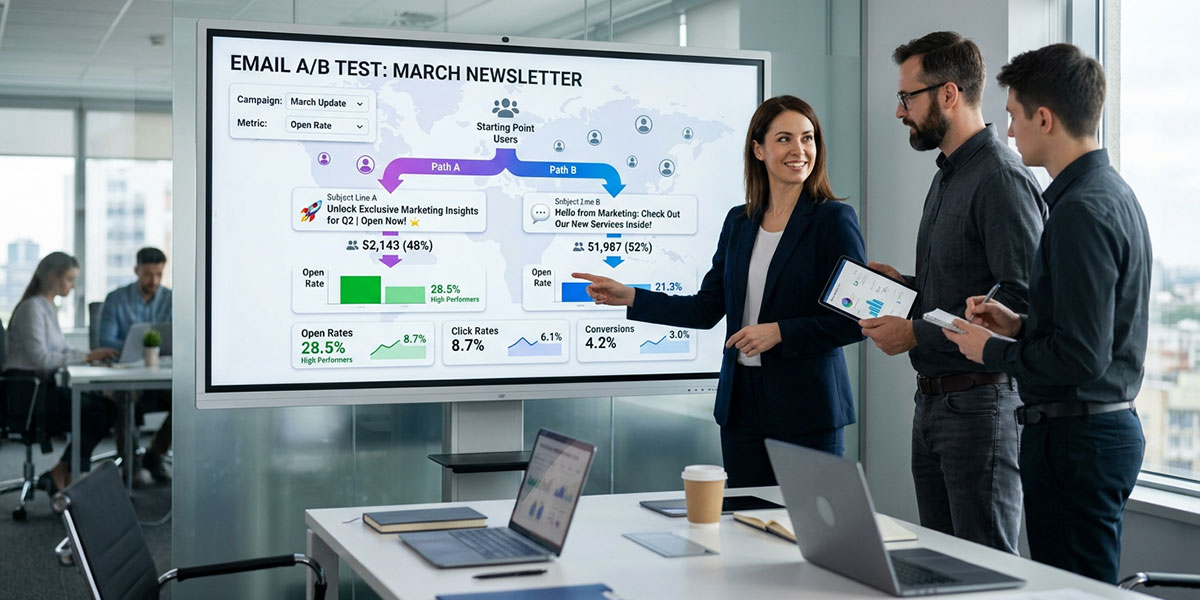
A/B testing is essential for optimizing both subject lines and preview text. This process helps you understand what resonates most with your audience.
Create two variations of a subject line and send each to a small portion of your list. The version that receives more opens is the winner for the campaign.
Continuously testing and refining your approach is key to improving your email marketing. Data-driven decisions will always outperform guesswork in the long run.
Keep your subject lines concise, especially for mobile audiences. Aim for under 50 characters to ensure the full message is visible on small screens.
The tone of your subject line should match your brand's voice. It should also align with the expectations you have set for your subscribers.
Ultimately, your subject line and preview text work together to make a promise. The content of your email must deliver on that specific promise to build trust.
Failing to deliver will lead to subscriber frustration and a higher unsubscribe rate. Make sure your great subject line leads to equally great email content.
Why is Valuable Content the Core of Successful Email Marketing?
Traditional vs. AI-Powered Email Approaches
| Feature | Traditional Approach | AI-Powered Approach |
|---|---|---|
| Segmentation | Based on broad, manual lists | Dynamic, based on real-time behavior |
| Subject Lines | Manually A/B tested by marketers | Automatically optimized for open rates |
| Content | One-size-fits-all for large segments | Hyper-personalized with dynamic content |
| Send Time | Scheduled for one specific time zone | Optimized for each individual's habits |
| Lead Nurturing | Follows a fixed, linear path | Adapts based on user engagement |
| Analytics | Basic metrics like open and click rates | Predictive analytics on future behavior |
| Campaign Creation | Requires significant manual effort | AI-assisted content and design suggestions |
How Does Mobile Optimization Impact Your Email Marketing Performance?
A significant portion of emails are now opened on mobile devices. This trend makes mobile optimization a critical factor for success in your campaigns.
If your emails are not easy to read on a smartphone, they will be deleted. This results in a wasted opportunity and a poor user experience.
Responsive design is the solution to this common problem. It ensures your email automatically adjusts to fit any screen size perfectly.
A single-column layout is generally the best practice for mobile-friendly messages. It prevents users from needing to scroll horizontally to read your content.
Font sizes should be large enough to be read comfortably on a small screen. Aim for at least 14px for body text and 22px for headlines.
Buttons and links must be large enough to be tapped easily with a thumb. Small, hard-to-tap links lead to frustration and lower click-through rates.
Images should be optimized to load quickly, even on slower mobile connections. Large image files can significantly slow down your email's loading time.
Always use descriptive alt text for your images. This is important for accessibility and for users who have images turned off.
Keep your messaging concise and to the point. Mobile users are often on the go and prefer scannable, direct content.
Short paragraphs and bullet points help break up text. This makes your message much easier to consume on a smaller screen.

Your call-to-action (CTA) should be placed prominently "above the fold." This means it should be visible without requiring the user to scroll down.
Thoroughly test your emails across different devices and email clients before sending. An email can look very different on an iPhone versus on an Android device.
Services exist that can show you screenshots of your email rendering on dozens of platforms. This testing phase is crucial for ensuring a consistent experience for everyone.
Ignoring mobile optimization is no longer an option for serious marketers. It directly impacts your engagement rates and the overall success of your email marketing.
A seamless mobile experience demonstrates professionalism and respect for your subscribers' time. As Harvard Business Review suggests, reducing annoyance is key to better engagement.
By prioritizing a mobile-first approach, you meet your audience where they are. Managing all digital touchpoints, including apps with Mobile App Management, creates a cohesive brand experience.
How Can You Use Automation in Email Marketing to Nurture Leads?
Automation is a powerful tool for delivering timely, relevant messages at scale. It allows you to nurture leads effectively without constant manual intervention.
An automated welcome series is a perfect example of this in action. It onboards new subscribers and introduces them to your brand over several days.
This series can set expectations about email frequency and content style. It can also guide new users toward key resources or popular products.
Triggered emails are another essential component of a smart automation strategy. These messages are sent automatically in response to a specific user action.
For instance, a user who downloads a whitepaper receives a follow-up email. This email can offer related content or a consultation about the topic.
Abandoned cart emails are a highly effective form of triggered automation. They remind customers about items they left behind and encourage them to complete their purchase.
These reminders can recover a significant amount of otherwise lost revenue. They work by re-engaging customers at a moment of high purchase intent.
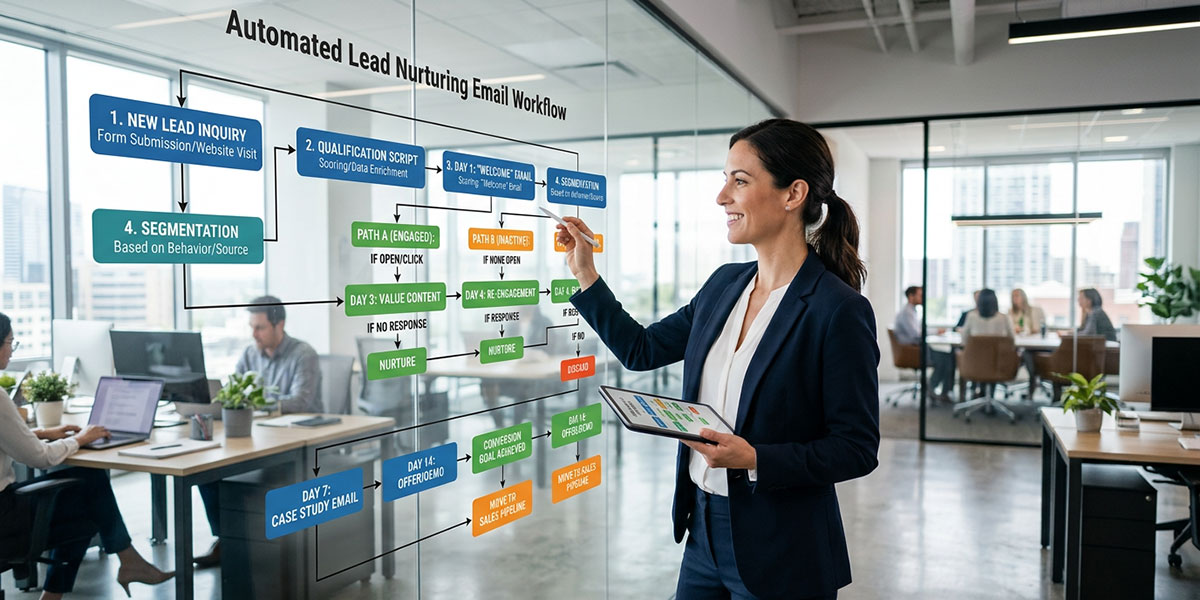
Drip campaigns are pre-written sets of messages sent out over time. They are excellent for long-term educational series or extensive onboarding processes.
Each email in the drip campaign builds on the last one. This guides the subscriber logically through a journey or a learning path.
Lead scoring can be integrated with your automation workflows for better targeting. It assigns points to leads based on their actions and demographic information.
When a lead reaches a certain score, they can be moved into a different campaign. They could also be automatically flagged for outreach by your sales team.
Effective automation depends on a powerful workflow management system. Such a system lets you build and visualize complex customer journeys. ZINFI’s Workflow Management (flexiFlow) is designed for this.
Automation in email marketing is not about being impersonal or robotic. It is about delivering the right message to the right person at the right time.
When done correctly, it feels helpful and responsive to the user. This thoughtful approach deepens customer relationships and efficiently drives business growth.
By automating repetitive tasks, your marketing team can focus on strategy. They will have more time for creative development and campaign analysis.
Elevate your Channel Marketing with ZINFI
Frequently Asked Questions
How often should I send marketing emails?
The ideal frequency depends on your audience, industry, and content. It could range from daily to monthly, so test to find the right balance.
What is the best day to send emails?
While some studies suggest Tuesdays and Thursdays are best, this varies. Test different days and times to discover what works for your specific audience.
How do I grow my email list?
Offer valuable incentives like discounts, free guides, or webinars. Use clear sign-up forms on your website and promote your list on social media.
What is a good open rate for an email campaign?
An average open rate is typically around 20%, but this can vary widely. Focus on improving your own benchmarks rather than just chasing industry averages.
How can I reduce my unsubscribe rate?
Provide valuable content, set clear expectations, and segment your list. Avoid sending too many emails and ensure your content remains relevant to subscribers.
What is the difference between single and double opt-in?
Single opt-in adds a user immediately after they sign up. Double opt-in requires them to confirm their subscription via a follow-up email first.
Why is A/B testing important in email marketing?
A/B testing allows you to make data-driven decisions about your campaigns. It helps you optimize subject lines, content, and calls to action for better results.
Should I use emojis in my subject lines?
Emojis can help your subject line stand out, but use them sparingly. They should be relevant to your message and consistent with your brand's voice.
What are the key metrics to track in email marketing?
Track open rate, click-through rate, conversion rate, and unsubscribe rate. These metrics provide a clear picture of your campaign's overall performance.
How do I make my emails more accessible?
Use clear language, high-contrast colors, and descriptive alt text for images. Ensure your emails are structured logically for screen readers to navigate easily.
About the author
Sugata Sanyal
Sugata Sanyal is the Founder & CEO of ZINFI Technologies, a leader in Unified Partner Management. He has been a passionate advocate for the channel and channel partners for decades. His vision for ZINFI is to provide partner ecosystems with the tools they need to succeed.