

Outcome-Driven Solutions: The Catalyst for AI Transformation
Modern enterprise success depends on shifting from tactical automation to strategic ecosystem orchestration. This guide explores how outcome-driven frameworks accelerate growth by integrating intelligent workflows across onboarding, enablement, and sales. By prioritizing measurable results over mere technical implementation, organizations can build high-performing partner networks that scale predictably, optimize resource utilization, and deliver sustained competitive advantages in an increasingly autonomous global marketplace.
Outcome over Output: The Strategic Shift to Risk-Mitigated Transformation
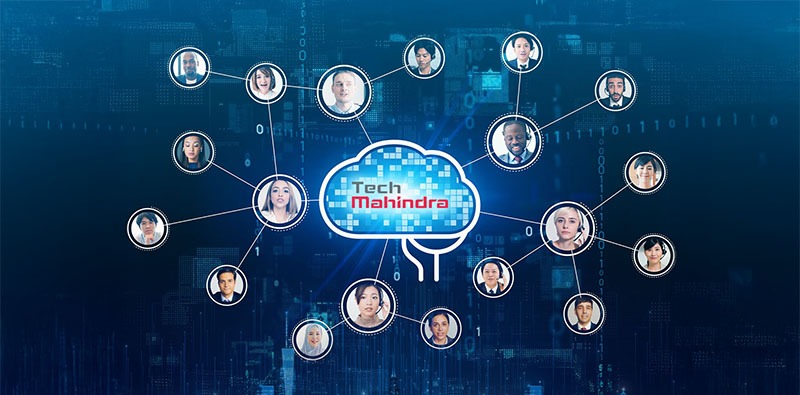
AI Transformation is fundamentally redefining the relationship between a client and a service provider. The traditional model, which often focuses on delivering a specific product or service with a pre-defined scope and a significant capital expenditure (Capex), is becoming outdated. Today's customers, especially in the financial sector, demand more. They seek partners who provide a complete, outcome-driven solution that delivers measurable business value and minimizes risk. This core philosophy drives Tech Mahindra's approach. The company aligns its efforts with its customers' business outcomes, rather than simply focusing on IT Key Performance Indicators (KPIs). This strategic shift fundamentally changes how IT services are delivered, particularly in industries where investment is critical, like banking and financial services.
A company's financing arm plays a crucial role in this new model. This approach, combined with innovative economic models, allows clients to achieve their transformation goals without the burden of heavy upfront investment. The result is a more collaborative, strategic partnership focused on long-term growth and success. This focus on outcomes is particularly relevant in the financial sector, where multi-billion-dollar investments have been made to build asset-heavy operations. The ability to free up capital and reinvest it in further modernization is a powerful driver for change and innovation and represents a strategic AI transformation.
🎥 Watch the Full Video Podcast
From Capex to Consumption-Based Models
One of the most significant changes in the services industry is the move away from large, upfront capital expenditures to flexible, consumption-based models. For customers, this is a considerable benefit. This means that they do not have to tie up billions of dollars in assets and can instead pay for what they use. Tech Mahindra facilitates this by working with a robust ecosystem of partners, including technology companies and financing partners. These partners are critical in providing the hardware and software "as a service". The financing arm, in particular, becomes a key component of the solution, taking on the ownership of the physical assets. This allows the customer to avoid the risks and costs associated with owning and managing assets that may become obsolete in a few years.
Tech Mahindra can focus on what it does best as a system integrator: delivering the desired business outcome. This model has been successfully applied in a variety of industries. For example, Tech Mahindra created a "network as a service" model for a large chemical manufacturer, where the customer pays only for the services they consume, rather than making a significant capital investment. This not only makes large-scale transformations more accessible but also creates a more sustainable and efficient business model for all parties involved. This is a significant aspect of AI transformation that is gaining momentum worldwide.
Revolutionizing Banking and Financial Services
Banks are the backbone of any economy and have historically been leaders in technology investment. However, they face limitations on the capital available to them. Tech Mahindra’s strategy is to help banks modernize their legacy systems, freeing up cash for reinvestment in further transformation. A key area of focus is mainframes, which are a pivotal part of many banks' success. By optimizing or modernizing these systems, Tech Mahindra can help free up unutilized capacity, allowing the bank to redirect that capital to new initiatives. Mayank cites an example of a global bank that cloudified its robotic process automation (RPA) journey using a "pay as you go" model. This approach helped the bank save money and reinvest it in critical areas, such as anti-money laundering. The key message is that while banks are willing to spend money, they are even more willing to reinvest when they see a clear return on their initial investment.
Furthermore, Tech Mahindra works with banking platform partners such as Temenos to implement cloud-based solutions on a consumption-based model, freeing up cash for infrastructure or process modernization. This is a powerful demonstration of an AI transformation strategy focused on delivering tangible business value rather than simply implementing a new technology. The company works with all types of banks, from global players to local credit unions, tailoring its approach to each customer's geographical nuances and scale. This flexibility and focus on outcome are what make their model successful.
The Future of the Services Industry
The shift towards outcome-driven, consumption-based models is a game-changer for the services industry, and Tech Mahindra is at the forefront of this movement. By focusing on the customer’s business outcomes and leveraging an innovative ecosystem of partners and financial models, the company is helping clients across sectors, especially in banking and finance, achieve their AI transformation goals. This approach allows customers to modernize their legacy systems and invest in new technologies without the burden of massive capital expenditure. The success of this strategy is rooted in a deep understanding of the customer's needs and a commitment to delivering measurable results. This new engagement model is not just about technology; it’s about creating a more collaborative and strategic partnership that benefits everyone involved.
The AI transformation will continue to accelerate this trend, making it even more critical for companies to partner with providers that deliver real value, not just a product. The future of IT services is not about selling hardware or software but about providing a service directly tied to a business outcome. Tech Mahindra is a leading example of this new paradigm. The strongest driver of transformation in any industry is the ability to free up capital and reinvest it in new initiatives. Tech Mahindra has found a way to make this a core part of its service delivery.
Frequently Asked Questions
What is the primary difference between digital transformation and AI transformation?
Digital transformation focuses on converting manual processes into digital formats to improve accessibility and speed. AI transformation goes further by integrating intelligent systems that can analyze data, predict outcomes, and automate decision-making. This shift moves the organization from reactive management to a proactive, outcome-driven strategy that fosters continuous innovation.
How do outcome-driven solutions improve the partner onboarding experience?
Outcome-driven solutions streamline onboarding by automating administrative tasks and focusing on the partner's path to revenue. By using intelligent workflows to handle compliance and data collection, companies can reduce friction and provide personalized guidance. This ensures that new partners feel supported and become productive contributors to the ecosystem much faster.
Why is the convergence of IT and OT critical for modern enterprises?
Unifying Information Technology and Operations Technology creates a transparent, real-time view of the entire production and distribution chain. This convergence allows organizations to identify inefficiencies that were previously hidden in departmental silos. By bridging these environments, companies can optimize their infrastructure, reduce operational costs, and improve service reliability.
Can small businesses benefit from an AI-driven partner management platform?
Yes, small businesses can leverage these platforms to compete with larger enterprises by automating complex management tasks. Modular SaaS solutions allow smaller organizations to scale their partner networks without a massive increase in headcount. This democratization of technology enables businesses of all sizes to drive predictable growth through intelligent ecosystem orchestration.
How does generative technology assist partners with limited marketing resources?
Generative tools empower partners to create professional-grade marketing assets, such as localized emails and social media content, with minimal effort. These systems ensure brand consistency while allowing for high levels of personalization for local markets. This support is vital for partners who lack dedicated marketing teams but need to generate demand effectively.
What role does data security play in an integrated partner ecosystem?
Data security is the foundation of a healthy ecosystem, as it protects sensitive intellectual property and customer information. Robust platforms implement advanced encryption, multi-factor authentication, and strict access controls to mitigate risks. Maintaining high security standards builds trust between vendors and partners, which is essential for long-term collaboration and data sharing.
How should companies measure the ROI of their AI transformation initiatives?
Organizations should measure ROI by tracking specific business outcomes such as reduced partner ramp-up time, increased deal registration rates, and lower operational costs. By aligning technical metrics with financial performance, leaders can clearly see the value of their investment. Constant monitoring with advanced analytics enables refining strategies to maximize total returns.
Best Practices Guides
 First Principles Drive Modern Partner Ecosystem Success Best Practices
Download for FREE
 The Future of Managed Service Providers: Navigating the Age of AI and Automation
Download for FREE
 Modernizing Channel Marketing: AI and Ecosystem Enablement Best Practices
Download for FREE
 The Channel’s Shift to Partner-Led With AI Best Practices
Download for FREE
 Hyperscalers, ISVs, and AI: Shaping the Future of B2B Software Distribution
Download for FREE
 Definitive Guide to a Partner Ecosystem-First Sales Strategy
Download for FREE
 The Partner-Led Digital and AI Transformation Best Practices
Download for FREE
 Startup Talent Recruitment: Hiring Missionaries, Not Mercenaries
Download for FREE
 The Future of Partner Relationship Management with AI in Partnerships
Download for FREE
 Cybersecurity for the 99%: Strategies from the Frontline
Download for FREE
 Mastering Partner Relationships: A Strategic Approach to Business Growth
Download for FREE
 Mastering Partner Relationship Management: Keys to SaaS Channel Success
Download for FREE