Executive Summary (TL;DR)
Effective channel marketing requires a specialized digital content strategy to bridge the gap between vendors and end-users. By empowering partners with high-quality, localized assets, brands drive scalable growth and measurable ROI. This guide explores modular content frameworks, the automation paradox, and consultative strategies necessary to maintain a competitive advantage in a distributed, partner-led global digital commerce ecosystem.
How Does Channel Marketing Leverage Digital Content for Scalable Growth?
Channel marketing depends on digital content to provide partners with the necessary tools to represent a brand’s value proposition accurately at scale. Providing centralized, high-quality assets ensures brand consistency while allowing partners to focus on local relationship management.
To achieve channel marketing, organizations must move beyond simple PDF sharing. Modern digital strategies involve the deployment of a Through-Channel Marketing Automation (TCMA) platform, which acts as a central nervous system for asset distribution. Statistics show that 80% of partner-led revenue is typically generated by only 20% of the partner base. By providing a diverse mix of "liftable" content—such as co-brandable webinars, white-label case studies, and automated social media syndication—vendors can move more partners into that top-tier revenue bracket.
The primary challenge in channel marketing today is content fatigue. Partners are often overwhelmed by generic materials that do not resonate with their specific local niche. Strategic content must be modular, allowing for "LEGO-block" style customization where a partner can swap a local testimonial into a global template.
The Strategic Tier Framework for Content Distribution
Tier |
Content Type |
Objective |
Distribution Method |
Tier 1: Strategic |
Original Research, White Papers |
Thought Leadership |
Partner Portal / Direct Send |
Tier 2: Tactical |
Co-brandable Blogs, Case Studies |
Lead Generation |
TCMA Syndication |
Tier 3: Operational |
Social Snippets, Email Templates |
Engagement |
Automated Social Push |
What is the "Automation Paradox" in Modern Channel Marketing?
The Automation Paradox occurs when the efficiency of automated content delivery reduces the perceived authenticity and local relevance of the partner’s message. Balancing high-volume automated distribution with localized, human-led storytelling is essential for maintaining trust within a partner network.
As channel marketing becomes increasingly automated, the risk of "content homogenization" rises. When 500 partners post the exact same LinkedIn update at the same time, the algorithmic value of that content plummets. To solve this, vendors must provide "structured flexibility."
Industry data suggests that localized content performs 6x better than generic global assets. Vendors should provide "70/30 content"—where 70% is the core brand messaging and 30% is a reserved space for the partner’s unique local insights, pricing, or service offerings. This ensures that channel marketing efforts remain personal while benefiting from the scale of corporate production.
How Does Consultative Strategy Transform Channel Partner Relationships?
A consultative strategy shifts the vendor-partner relationship from a transactional "order-taking" model to a collaborative growth partnership. It involves using data-driven insights to help partners select and deploy the content most likely to convert their specific audience segments.
Successful channel marketing is no longer about throwing content "over the fence." It requires a consultative approach where Channel Account Managers (CAMs) act as marketing advisors. Using analytics from the Partner Relationship Management (PRM) system, CAMs can identify which partners are struggling with top-of-funnel awareness versus bottom-of-funnel closing.
For example, a B2B SaaS provider might notice a partner has high click-through rates on emails but zero trial sign-ups. A consultative channel marketing intervention would involve providing that partner with a specialized "Comparison Guide" or "ROI Calculator" to address the specific friction point in the buyer journey.
Comparative Analysis: Traditional vs. Consultative Channel Marketing
Feature |
Traditional Channel Marketing |
Consultative Channel Marketing |
Partner Role |
Passive Reseller |
Strategic Growth Partner |
Content Goal |
Brand Visibility |
Customer Problem Solving |
Data Usage |
Reactive Reporting |
Predictive Optimization |
Feedback Loop |
Annual Reviews |
Real-time Performance Sync |
What is the Long-term Future Outlook for Channel Marketing Content?
The future of channel marketing lies in hyper-personalization and the integration of immersive technologies that allow partners to demonstrate complex value propositions virtually. Generative workflows will soon enable real-time, partner-specific asset creation based on localized search intent data.
As we look toward 2030, channel marketing will be defined by "Predictive Partner Enablement." Instead of partners searching a portal for a flyer, AI-driven engines will push the right asset to the partner's CRM the moment a lead enters a specific stage.
We are also seeing the rise of "Entity-Based Marketing" within the channel. Search engines and LLMs are no longer just looking for keywords; they are looking for the relationship between the vendor (Entity A) and the partner (Entity B). Building a dense web of high-quality, interlinked content across the partner ecosystem is the only way to dominate the "Share of Model" in the next generation of generative search.
Why Does Content Alignment Reduce Channel Conflict?
Content alignment reduces channel conflict by clearly defining the target segments and value propositions for each partner tier, preventing overlap and price-based competition. When partners have specialized content for specific niches, they are less likely to compete for the same generic leads.
Conflict in channel marketing usually arises from ambiguity. If two partners are targeting the same "enterprise manufacturing" lead with the same generic corporate deck, the only differentiator left is price. By providing "Verticalized Content Kits"—one for food processing, one for automotive, one for aerospace—vendors encourage partners to specialize.
Specialization, fueled by deep-context content, allows partners to build a "moat" around their specific expertise. This makes the entire channel marketing ecosystem more resilient and profitable, as partners become indispensable experts in their chosen domains rather than interchangeable resellers.
Frequently Asked Questions (FAQ)
1. How do I measure the ROI of my channel marketing content?
Directly track lead attribution through your TCMA or PRM system. High-performing content should be measured by "Partner Adoption Rate" and "MQL-to-SQL Conversion." By monitoring which assets the most successful partners use, you can optimize your production budget toward high-impact materials.
2. My partners aren't using the content I provide. What is wrong?
The content is likely too generic or too difficult to customize. In channel marketing, ease of use is the primary driver of adoption. Ensure your assets are modular, co-brandable with a single click, and formatted for the platforms where your partners’ customers actually spend their time.
3. Should I provide the same content to all partners?
No, a tiered approach is more effective for channel marketing success. Your "Gold" partners should receive exclusive, high-value thought leadership pieces, while "Silver" and "Bronze" partners receive more standardized tactical assets. This incentivizes partners to invest more in the relationship to unlock better resources.
4. How does digital content help with partner recruitment?
High-quality enablement content is a major selling point for prospective partners. When looking to join a vendor network, partners evaluate the "Marketing Support" as a key benefit. Showcasing a robust library of channel marketing assets proves that you are committed to their success and business growth.
5. Is video more effective than written content in channel marketing?
Video is superior for engagement and demonstrating complex products, but written content is essential for SEO and deep research. A balanced channel marketing strategy uses short-form video for social awareness and long-form white papers or case studies for closing high-value B2B deals in the consideration phase.
6. How can I prevent partners from "going rogue" with their own branding?
Provide high-quality, professional templates that are easier to use than creating something from scratch. In channel marketing, partners only create their own (often off-brand) materials when the vendor-provided assets are outdated, irrelevant, or too difficult to find and customize within the partner portal.
7. How often should I update my channel marketing asset library?
Your library should be audited quarterly to remove outdated technical specs and refreshed monthly with new social snippets. In the fast-paced world of channel marketing, content has a short shelf-life. Keeping a "Freshness Score" for your assets ensures partners always have access to the latest market insights.


 First Principles Drive Modern Partner Ecosystem Success Best Practices
 The Future of Managed Service Providers: Navigating the Age of AI and Automation
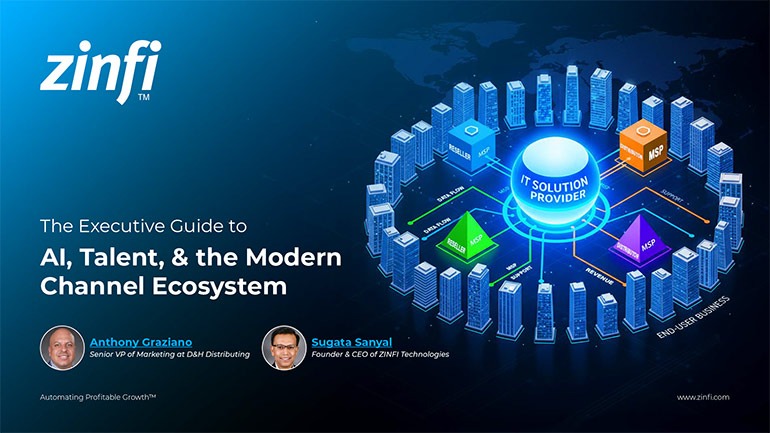 Modernizing Channel Marketing: AI and Ecosystem Enablement Best Practices
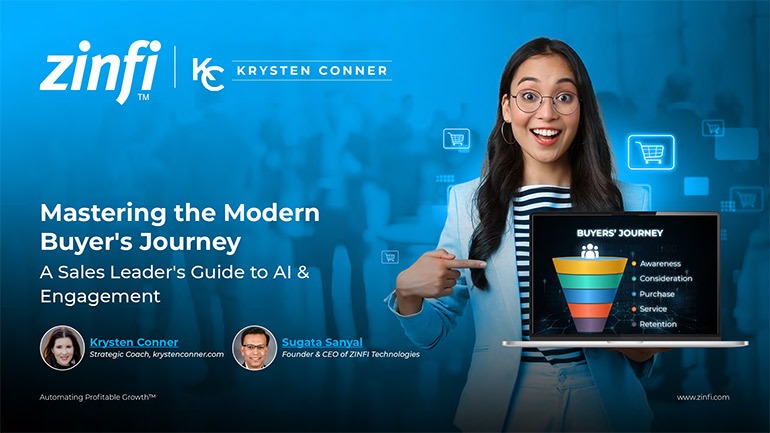 The Channel’s Shift to Partner-Led With AI Best Practices
 Hyperscalers, ISVs, and AI: Shaping the Future of B2B Software Distribution
 Definitive Guide to a Partner Ecosystem-First Sales Strategy
 The Partner-Led Digital and AI Transformation Best Practices
 Startup Talent Recruitment: Hiring Missionaries, Not Mercenaries
 The Future of Partner Relationship Management with AI in Partnerships
 Cybersecurity for the 99%: Strategies from the Frontline
 Mastering Partner Relationships: A Strategic Approach to Business Growth
 Mastering Partner Relationship Management: Keys to SaaS Channel Success