The Evolving Landscape of Partner Relationship Management and Ecosystems
Partner Relationship Management (PRM) is rapidly evolving from a simple channel tool. It is now a strategic platform for managing complex business ecosystems.
The days of linear, one-dimensional channel sales are quickly fading away. Companies are now operating within dynamic, multi-faceted partner ecosystems.
This fundamental shift requires a more sophisticated approach to partner management. Your strategy must adapt to this new reality to remain competitive.
Traditional methods focused on a transactional relationship with a few partner types. Modern strategies must nurture a diverse web of collaborations.
Successful companies understand that a robust Partner Relationship Management framework is the core of this transformation. It provides the visibility and control needed to navigate this complexity.
Ultimately, the goal is to orchestrate all partner activities to drive mutual growth. A powerful PRM solution makes this orchestration seamless and scalable.
This evolution is not just a trend; it is a necessary response to changing market dynamics. Embracing it will unlock new revenue streams and create sustainable competitive advantages.
Key Takeaways
TL;DR
- Complex ecosystems are replacing traditional, linear partner channels.
- AI and automation are becoming essential for scaling partner programs effectively.
- A personalized partner experience (PX) is crucial for engagement and loyalty.
- Data-driven insights from analytics now guide strategic channel decisions.
- Unified Partner Relationship Management platforms provide a single source of truth.
- Flexibility is needed to manage a growing diversity of partner types.
- The focus has shifted from simple management to strategic ecosystem orchestration.
Why is modern Partner Relationship Management shifting towards ecosystem orchestration?
The traditional view of a sales channel was straightforward and linear. A vendor sold to a distributor, who then sold to a reseller.
This model is too simplistic for the modern business environment. Today’s go-to-market strategies involve a complex network of partners.
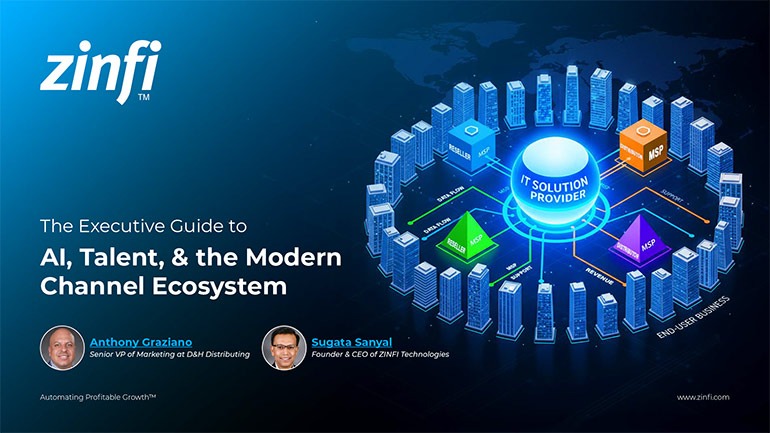
A modern ecosystem includes not just resellers but many other influential players. These can consist of consultants, integrators, and referral agents.
Even influencers and technology alliance partners play a crucial role. A comprehensive Partner Relationship Management strategy must account for all of them.
This is where the concept of ecosystem orchestration comes into play. It moves beyond simple management to active coordination of all partners.
The goal is to align every partner’s activities with the vendor’s strategic objectives. This creates synergy and accelerates growth for everyone involved.
Effective orchestration requires a platform that offers a holistic view of the entire ecosystem. Disconnected tools cannot provide this level of insight or control.
A unified solution helps manage relationships with both transacting and non-transacting partners. Both types contribute significant value to the business in different ways.
For example, a consultant might not sell your product directly. However, their recommendation can influence a multi-million dollar deal.
A robust Partner Relationship Management system tracks this influence. It attributes value beyond direct transactional revenue.
This allows companies to properly reward all types of valuable contributions. It also ensures that all partners feel recognized and engaged.
ZINFI's partner management module is designed for this modern reality. It provides the tools needed to orchestrate a diverse and dynamic ecosystem.
Managing this complexity manually is practically impossible. Automation and a centralized platform are no longer luxuries but necessities.
As businesses grow, their partner networks become more intricate. A scalable Partner Relationship Management solution is critical for sustainable expansion.
It enables you to onboard, enable, and support a wide variety of partners effectively. This ensures a consistent and positive partner experience across the board.

The shift to ecosystem thinking reflects a deeper understanding of market dynamics. Value creation is now a collaborative effort, not a top-down process.
Your Partner Relationship Management strategy must reflect this collaborative spirit. It should empower partners rather than simply dictate terms to them.
This approach fosters stronger, more loyal partnerships. Engaged partners are more proactive and invested in mutual success.
They are more likely to share market intelligence and collaborate on new opportunities. This feedback loop is invaluable for staying ahead of the competition.
Orchestration also involves managing the entire partner journey. From recruitment to offboarding, every stage must be carefully curated.
A platform that supports the full lifecycle helps build long-term relationships. It provides consistency and support at every touchpoint.
Ultimately, orchestrating your ecosystem means creating a well-oiled machine. Every part works together to achieve a common goal: driving revenue and market share.
Modern Partner Relationship Management provides the engine for this machine. It is the command center for your entire indirect sales strategy.
By embracing this shift, companies can unlock the full potential of their partner networks. They can adapt to market changes more quickly and efficiently.
This agility is a key competitive differentiator in today's fast-paced world. An orchestrated ecosystem is a resilient and powerful business asset.
How does AI transform traditional Partner Relationship Management?
Artificial intelligence (AI) is a game-changer for Partner Relationship Management. It infuses intelligence and automation into every aspect of partner engagement.
Traditional PRM systems were largely static databases and communication tools. AI transforms them into proactive, predictive, and personalized platforms.
One of the first areas AI impacts is partner recruitment. AI algorithms can analyze vast datasets to identify ideal partner profiles.
This data-driven approach is far more effective than manual prospecting. It helps you focus your recruitment efforts on partners with the highest potential.
Once a partner is recruited, AI streamlines the onboarding process. It can deliver personalized onboarding paths based on partner type, region, or specialty.
This ensures partners get the specific information they need to become productive quickly. It greatly reduces the time to first revenue.
AI also plays a crucial role in ongoing partner enablement. It can recommend relevant training materials or marketing assets from your content library.
This personalization keeps partners engaged and helps them sell more effectively. It ensures they always have the right content at the right time.
Perhaps the most powerful application of AI is in analytics. Predictive analytics can forecast sales trends and identify at-risk partners.
This foresight allows channel managers to intervene proactively. They can offer support to a struggling partner before their performance declines significantly.
Predictive analytics also helps in identifying untapped market opportunities. It can highlight regions or verticals where your partners could be more successful.
On the other hand, performance analytics provides deep insights into what is working. It helps you understand which programs and incentives drive the best results.
Using these insights, you can optimize your channel strategy in real-time. This continuous improvement cycle is a hallmark of modern Partner Relationship Management.
AI-powered lead distribution is another significant advancement. The system can automatically route leads to the best-fit partner.
This decision is based on factors like expertise, location, and past performance. It dramatically increases lead conversion rates and partner satisfaction.
Chatbots and virtual assistants powered by AI enhance partner support. They can provide instant answers to common questions 24/7.
This frees up your channel account managers to focus on more strategic activities. They can spend their time building relationships rather than handling routine inquiries.
AI can also automate the management of market development funds (MDF). It can help track fund usage and measure the ROI of partner marketing activities.
This brings a new level of accountability and efficiency to your MDF programs. It ensures your marketing investments are generating tangible results.
In essence, AI automates the mundane and amplifies the strategic. It allows a small team to manage a large and complex partner ecosystem effectively.
This infusion of intelligence is what separates modern Partner Relationship Management from its predecessors. It moves the discipline from being reactive to proactive and predictive.
Companies that fail to adopt AI in their channel management will fall behind. They will be outmaneuvered by competitors who leverage data for smarter decisions.
The future of the channel is intelligent, automated, and personalized. AI is the enabling technology that makes this future a reality.
Traditional vs. AI-Powered Partner Relationship Management
| Feature | Traditional Approach | AI-Powered Approach |
|---|---|---|
| Partner Onboarding | Standard, one-size-fits-all process for all partners. | Personalized onboarding paths based on partner type and needs. |
| Partner Segmentation | Manual segmentation based on revenue tiers (e.g., Gold, Silver). | Dynamic segmentation based on performance, potential, and engagement. |
| Performance Tracking | Reactive, based on historical sales data and lagging indicators. | Proactive, using predictive analytics to identify trends and risks. |
| Content & Training | Generic content library; partners must find what they need. | AI recommends relevant content and training to partners. |
| Lead Distribution | Manual or round-robin assignment, often inefficient. | Intelligent routing to the best-fit partner for higher conversion. |
| Support | Reliant on human channel managers and email support. | 24/7 support via AI-powered chatbots and knowledge bases. |
| Reporting | Static, historical reports that are manually generated. | Dynamic dashboards with real-time insights and performance analytics. |
What role does the partner experience play in today's Partner Relationship Management?
In today's competitive landscape, the partner experience (PX) is critically important. It is just as vital as the customer experience (CX) for business success.
A superior partner experience is a powerful differentiator. It directly influences partner engagement, loyalty, and ultimately, revenue generation.
Think of your partners as an extension of your own sales and marketing teams. You must provide them with the best tools and support to succeed.
A positive PX begins with a seamless and efficient onboarding process. A complicated or lengthy onboarding can frustrate new partners from the start.
Your Partner Relationship Management system should make it easy for partners to sign up. It also needs to help them quickly access necessary training and resources.
Ease of doing business is a cornerstone of a great partner experience. Partners are running their own businesses and have limited time.
If your processes are cumbersome, they will gravitate towards vendors who are easier to work with. This principle applies to everything from deal registration to claiming incentives.
Modern PRM platforms streamline these processes. They automate workflows and provide a centralized portal for all partner activities.
Personalization is another key element of a strong PX. Partners are not a monolithic group; they have different needs and business models.
Your Partner Relationship Management strategy should recognize this diversity. It should deliver tailored communications, content, and support.
This could mean providing specific marketing assets for a partner in a certain vertical. It could also mean offering specialized training for a particular product line.
A strong sense of community can also enhance the partner experience. A partner community management module can foster collaboration and knowledge sharing.
Partners can learn from each other's successes and solve problems together. This creates a supportive environment that builds loyalty to your brand.

Transparent and consistent communication is also vital for a good PX. Partners need to be kept in the loop on product updates, program changes, and company news.
A Partner Relationship Management platform with a robust alerts management system ensures timely information delivery. This keeps partners informed and aligned with your strategy.
According to research, a positive B2B experience is increasingly important. Gartner notes that ecosystem orchestration is a key trend in marketing.
This highlights the industry-wide recognition that managing these relationships effectively is crucial. The experience you provide is a major part of that management.
Measuring and monitoring the partner experience is also essential. You need to gather feedback through surveys and direct interaction.
Performance analytics within your PRM can provide indirect indicators of PX. Metrics like partner engagement, training completion rates, and portal logins offer valuable clues.
A poor experience creates friction and reduces a partner's motivation to sell your products. This friction directly translates into lost revenue opportunities.
Conversely, a great experience removes barriers and empowers partners. It makes them more effective advocates for your brand.
Investing in the partner experience is not an expense; it is an investment in your channel's success. It yields returns in the form of higher engagement and increased sales.
Your Partner Relationship Management platform is the primary interface for your partners. Its design, usability, and functionality are the foundation of their experience.
Choosing a platform that prioritizes the user experience is therefore paramount. It is a decision that will have a lasting impact on your entire channel.
Ultimately, vendors who treat their partners as true partners, not just sales outlets, will win. A focus on PX is the most tangible way to demonstrate that commitment.
How can a unified platform enhance Partner Relationship Management?
Many organizations struggle with a fragmented set of channel management tools. They might use one system for marketing, another for sales, and spreadsheets for incentives.
This disjointed approach creates data silos and operational inefficiencies. It prevents you from having a complete picture of your partner ecosystem.
A unified Partner Relationship Management platform solves these problems. It integrates all aspects of partner management into a single, cohesive solution.
This provides a single source of truth for all partner-related data. Everyone in your organization works from the same, up-to-date information.
This 360-degree view of the partner is invaluable. You can see a partner's marketing activities, sales pipeline, and training history all in one place.
This comprehensive insight allows for more strategic decision-making. Channel managers can better understand each partner's strengths and weaknesses.
For partners, a unified platform dramatically improves their experience. They no longer need to log in to multiple systems to do business with you.
They can access marketing assets, register deals, and check their commissions all through one portal. This simplicity reduces friction and increases engagement.
A unified platform also streamlines internal workflows. For instance, a lead generated by a partner marketing campaign can flow seamlessly into deal registration.
ZINFI’s workflow management capability automates these complex cross-functional processes. This eliminates manual data entry and reduces the risk of errors.
This integration connects partner marketing management with partner sales management. The result is a closed-loop system where you can track ROI from end to end.
You can see exactly which marketing campaigns are generating the most profitable deals. This allows you to allocate your marketing resources more effectively.

Centralized data also powers more advanced analytics. With all your data in one place, you can run comprehensive reports and leverage performance analytics.
This provides deeper insights than you could ever get from siloed systems. You can analyze the entire partner journey and identify areas for improvement.
A unified Partner Relationship Management solution is also more scalable. As you add more partners or enter new markets, the platform grows with you.
You can easily add new modules for functions like partner rebates or co-selling management. You do not need to worry about complex and costly integrations.
Security and compliance are also easier to manage with a single platform. You can enforce consistent access policies across all partner-facing applications.
A solution with robust access management ensures that partners only see the information relevant to them. This is crucial for protecting sensitive data.
From a cost perspective, a unified platform is often more economical in the long run. It eliminates the need to pay for and maintain multiple disparate systems.
The total cost of ownership is lower when you factor in subscription fees, integration costs, and administration overhead. It simplifies your vendor management significantly.
The core benefit of unification is alignment. It ensures that your sales, marketing, and support teams are all aligned in their efforts to enable partners.
This alignment is key to executing a cohesive and effective channel strategy. It is the foundation of a successful modern Partner Relationship Management program.
Choosing a unified platform is a strategic decision. It is about building a scalable and efficient foundation for your entire channel business.
It moves you beyond simply managing partners to truly empowering them. This is the ultimate goal of any world-class channel organization.
Elevate your Channel with ZINFI's Unified Partner Management
The evolving landscape of Partner Relationship Management demands a powerful, flexible, and integrated solution. ZINFI’s Unified Partner Management (UPM) platform is built for the modern ecosystem.
Our platform provides a comprehensive suite of modules to manage the entire partner lifecycle. From recruitment to revenue, ZINFI has you covered.
- End-to-End Solution: ZINFI offers a complete platform with three core clouds for Partner Relationship Management, Partner Marketing Management, and Partner Sales Management. This ensures a seamless flow of data and processes across the entire partner journey.
- Modular & Flexible: Our platform is designed with a modular architecture. You can start with the specific modules you need, like deal registration management, and add more as your program matures and your needs evolve.
- Deep Automation & Intelligence: Leverage powerful automation with our workflow management and gain critical insights with our advanced business intelligence and reports module, which includes predictive analytics.
- Built for a Superior Partner Experience: ZINFI's platform is designed with the partner in mind. It provides an intuitive, easy-to-use portal that enhances engagement and makes it easy for partners to do business with you.
- Global Capabilities, Local Execution: Our platform supports multiple languages, currencies, and cultures, allowing you to manage a global partner network while enabling local execution. Features like our co-branded assets management empower partners to market effectively in their regions.
- Unmatched Support & Expertise: We do more than just provide software. Our team offers deep channel expertise and concierge services to help you build and run a world-class partner program, ensuring your success.
Frequently Asked Questions About Partner Relationship Management
What is Partner Relationship Management (PRM)?
Partner Relationship Management refers to the strategies, processes, and technologies used to manage a company’s relationships with its channel partners. It aims to streamline partner recruitment, onboarding, enablement, and sales.
What is the difference between PRM and CRM?
Customer Relationship Management (CRM) software is for managing relationships with direct customers. PRM software is specifically designed for managing relationships with indirect sales partners, like resellers or distributors.
Why is a PRM system important?
A PRM system is important for scaling an indirect sales channel effectively. It automates key processes, provides a central hub for partners, and offers insights to optimize channel performance.
What are the key features of a modern PRM platform?
Key features include a partner portal, deal registration, lead management, and training modules. They also include marketing automation, performance dashboards, and incentive management tools.
How does PRM help with partner onboarding?
A PRM system automates the onboarding process. It provides new partners with a structured path including contract signing, training materials, and access to key resources to get them started quickly.
What is a partner ecosystem?
A partner ecosystem is the complex network of all partners that contribute to your business. This includes resellers, referral partners, influencers, technology partners, and consultants.
How does AI improve Partner Relationship Management?
AI improves Partner Relationship Management by providing predictive insights and automating tasks. This includes identifying good partner candidates, personalizing content, and optimizing lead distribution for better results.
What is the partner experience (PX)?
The partner experience is the sum of all interactions a partner has with a vendor. A positive PX, fostered by a user-friendly PRM, leads to greater partner loyalty and engagement.
What should I look for when choosing a PRM solution?
Look for a unified platform that is scalable, flexible, and easy to use for partners. Key considerations include integration capabilities, analytics, automation features, and robust support.
What is the future of Partner Relationship Management?
The future of Partner Relationship Management is focused on ecosystem orchestration, hyper-personalization, and deep intelligence. It will be driven by AI and a focus on empowering a diverse range of partners.
About the author
Sugata Sanyal
Sugata Sanyal is the Founder & CEO of ZINFI Technologies, a leader in Unified Partner Management. He has been a passionate advocate for the channel and channel partners for decades. His vision for ZINFI is to provide partner ecosystems with the tools they need to succeed.