How Partner Management Software Unlocks a New Era of Channel Collaboration
Partner management software fundamentally enhances collaboration by centralizing communication, automating workflows, and providing a single source of truth for all channel partners. This technology breaks down silos, fostering a more unified and productive partner ecosystem.
In today's competitive landscape, indirect sales channels are more critical than ever for business growth. Companies rely on a diverse network of distributors, resellers, agents, and other partners.
However, managing these relationships effectively presents a significant challenge for many organizations. Without the right tools, collaboration can become fragmented, inefficient, and prone to errors.
This is where a robust PRM platform becomes an indispensable asset for your business. It serves as the digital backbone for your entire channel, enabling seamless interaction and alignment.
Effective collaboration is not just about communication; it involves shared goals and mutual trust. The right solution builds this foundation by creating transparency and simplifying joint business activities.
Key Takeaways
TL;DR
- Partner management software centralizes all communication, eliminating scattered emails and messages.
- Automation of key processes like onboarding and lead registration saves time for everyone involved.
- A shared platform provides a single source of truth for performance data and resources.
- Enhanced visibility into partner activities allows for better support and strategic alignment.
- These tools build trust through transparent processes for things like deal registration and incentives.
- Co-branding and content sharing capabilities ensure brand consistency across the entire channel.
- Mobile access ensures that partners can collaborate and access information from anywhere.
How Does Partner Management Software Centralize Communication?
Disjointed communication is a primary obstacle to effective channel collaboration and growth. Partners and internal teams often use a mix of emails, phone calls, and separate messaging apps.
This fragmentation leads to missed information, delayed responses, and a lack of visibility. Important updates and strategic conversations can easily get lost in the noise of daily operations.
A sophisticated partner management software solves this by creating a centralized hub for all interactions. It provides dedicated communication tools within a single, secure environment for all users.
This ensures every conversation, announcement, and support request is logged and easily accessible. A dedicated partner community management module can foster peer-to-peer discussion and knowledge sharing.
Vendors can broadcast important announcements to all partners or specific partner groups. This guarantees that critical information reaches the intended audience promptly and efficiently every time.
Partners can also communicate directly with their channel account managers within the platform. This creates a clear and traceable line of communication for resolving issues or discussing opportunities.
Furthermore, these platforms often integrate features like discussion forums and direct messaging. Partners can engage with each other, sharing best practices and offering mutual support.
This peer-to-peer interaction builds a stronger sense of community within your partner ecosystem. It reduces the support burden on your internal team and empowers partners to solve problems together.
A centralized system also tracks communication history for each partner relationship. This provides valuable context for new channel managers or when reviewing partner performance.
You can easily see past conversations, support tickets, and feedback. This historical data is crucial for maintaining continuity and understanding the partner's journey with your brand.
ZINFI's platform includes robust alerts management to keep partners informed of key events. Automated notifications for new leads, content updates, or program changes ensure no one misses a beat.
This removes the manual effort of sending out individual updates. It also gives partners the confidence that they are always working with the most current information.
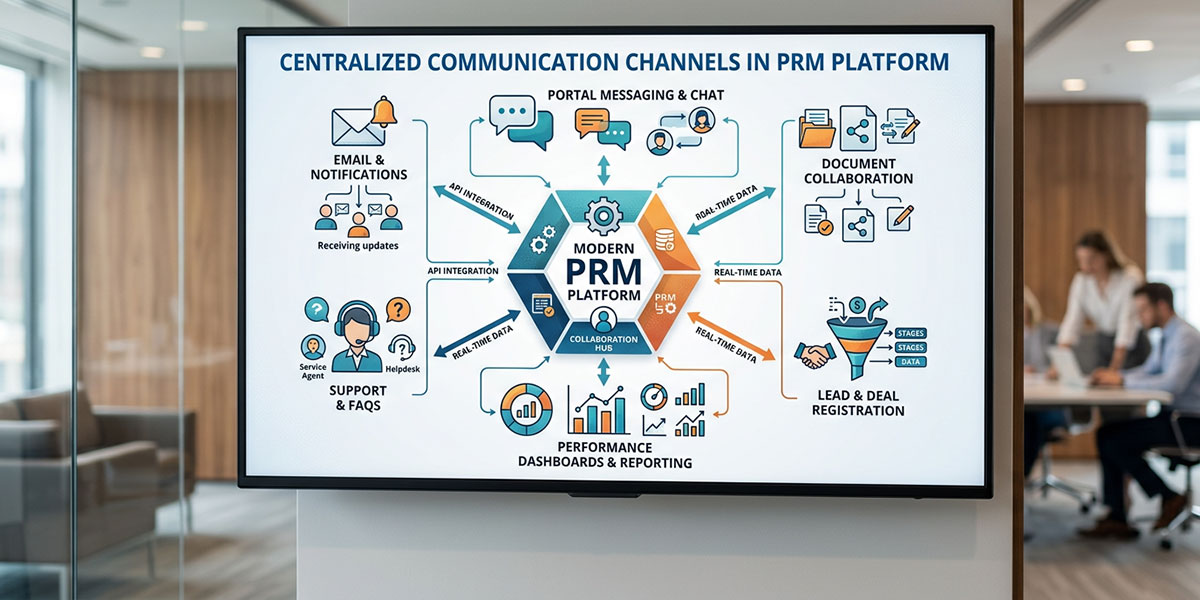
The system acts as a single source of truth for all partner-related program information. This eliminates confusion and ensures everyone is on the same page regarding program requirements.
Partners no longer need to hunt through old emails or outdated documents. They can simply log in to the portal to find the answers they need to succeed.
This centralized model significantly improves response times and overall partner satisfaction. Quick and easy access to information and support makes it easier for partners to do business.
When partners feel supported and empowered, they are more engaged and motivated. This directly translates into increased focus on selling your products and services.
Ultimately, a dedicated partner management software moves collaboration beyond simple messaging. It creates a structured and efficient communication framework that supports strategic alignment and growth.
By bringing everyone into a shared digital workspace, you lay the foundation for a truly collaborative and highly productive channel partnership that drives sales.
What Role Does This Software Play in Streamlining Workflows?
Manual processes are a major drain on productivity for both vendors and their partners. Activities like partner onboarding, deal registration, and claims processing can be slow and cumbersome.
These traditional workflows often involve endless paperwork, spreadsheets, and email chains. This creates bottlenecks, introduces human error, and frustrates everyone involved in the process.
A modern partner management software introduces powerful automation to streamline these critical workflows. It replaces manual, error-prone tasks with efficient, automated processes within one system.
This automation frees up your channel team and your partners to focus on more strategic activities. They can spend less time on administration and more time on selling and building relationships.
Partner onboarding is one of the first workflows to benefit from this technology. You can create a guided, automated journey for new partners to join your program.
This process can include steps like contract signing, training modules, and portal access. Partner contracts management tools help digitize and track agreements.
Automated onboarding ensures every new partner receives a consistent and professional experience. It also helps them become productive and start generating revenue much more quickly.
Deal registration is another area ripe for workflow automation and improvements. A structured deal registration management module eliminates channel conflict and protects partner-sourced opportunities.
Partners can submit deals through the portal with clear, predefined rules for approval. The system automatically routes the registration to the correct approver, speeding up the entire cycle.
This provides partners with the assurance that their efforts are recognized and protected. It builds trust and encourages them to bring more opportunities to your company.
Market Development Funds (MDF) and co-op fund requests can also be fully automated. A dedicated MDF management module simplifies the process of proposing, approving, and claiming funds.
Partners submit proposals through a guided workflow with predefined budget rules. This transparency makes it easier for partners to utilize marketing funds effectively and for you to track ROI.

ZINFI’s workflow management capabilities are highly flexible, allowing you to design custom processes. You can tailor workflows to match your specific business rules and program requirements.
This ensures the software adapts to your business, not the other way around. You can automate virtually any partner-facing process, from business planning to incentive payouts.
A good partner management software also streamlines training and certification. Through a Learning Management System (LMS), you can deliver and track partner training programs.
This helps ensure partners have the necessary knowledge to represent your brand effectively. You can automate enrollment, track progress, and issue certifications directly through the platform.
By streamlining these core workflows, you create a much better partner experience. A frictionless process makes it easier and more profitable for partners to work with you.
This operational efficiency becomes a key competitive differentiator in a crowded market. Partners will naturally gravitate toward vendors who are easier to do business with.
The time saved through automation also allows your channel managers to be more strategic. They can act as consultants to their partners rather than as administrative clerks.
Ultimately, streamlined workflows are a cornerstone of strong partner collaboration. They remove friction, increase speed, and allow everyone to focus on the shared goal of driving revenue.
How Can Partner Management Software Foster Trust and Transparency?
Trust is the most valuable currency in any channel partnership. Without it, collaboration breaks down, and partners become disengaged and unproductive.
A lack of transparency is a common cause of mistrust in the channel. When partners feel left in the dark, they may question the fairness of your programs.
A quality partner management software establishes trust by creating an environment of complete transparency. It provides a clear and unbiased view of all joint activities and performance metrics.
This transparency is built on the foundation of a shared platform where all information is visible. Both the vendor and the partner see the same data, eliminating any disputes.
Transparent deal registration is a perfect example of this in action. Partners can see the status of their submitted deals in real-time within the portal.
They receive automated notifications as the deal moves through the approval stages. This eliminates the "black box" feeling of submitting a deal via email and waiting for a response.
Incentive and commission structures also benefit greatly from this transparency. The platform can clearly outline the rules and calculations for all partner compensation programs.
Partners can see exactly how their commissions or rebates are calculated and when they can expect payment. This visibility into payment management builds immense confidence in your program's integrity.
According to a report from Gartner, building a successful partner ecosystem requires a shift toward mutual value and trust. Technology that provides transparency is a key enabler of this shift toward true partnership.
This level of trust is essential for creating an environment where partners feel secure. They need to know their investment of time and resources will be fairly rewarded.
A PRM platform also provides transparent access to performance data through reports. Partners can view their own dashboards to track their progress against goals and KPIs.
This empowers them to take ownership of their performance. It also facilitates more productive conversations with their channel managers about strategy and support needs.
Transparency in lead distribution is another critical area where software can build trust. A lead management module can automate distribution based on predefined, fair rules.
This might include territory, partner tier, or certification level. This rules-based approach removes any perception of favoritism in lead allocation.
A centralized content library also contributes to a trusting relationship. It ensures all partners have access to the same, most up-to-date marketing and sales assets.
This levels the playing field and ensures no partner is at a disadvantage. It shows a commitment to enabling the success of every partner in your network.
When partners trust that your processes are fair, they are more likely to invest. They will dedicate more resources to marketing and selling your products and services.
This creates a positive feedback loop of mutual success and growth. Trust leads to greater partner engagement, which in turn drives better business outcomes.
The role of partner management software in fostering this trust cannot be overstated. It is the mechanism that makes transparency possible at scale across a diverse partner network.
By providing a single, shared view of the entire partnership lifecycle, the software forges stronger, more resilient, and more profitable channel relationships for everyone.
Why Is Data Sharing Crucial for Collaboration in a PRM?
Effective collaboration is impossible without shared data and insights. In traditional channel relationships, data lives in separate systems, creating information silos.
Vendors have their CRM data, while partners have their own sales data. This separation prevents both sides from seeing the full picture of the customer journey.
A comprehensive partner management software acts as a bridge between these data silos. It creates a unified platform where critical information can be shared securely and efficiently.
This shared data ecosystem is essential for strategic alignment and joint business planning. It enables data-driven decision-making for both the vendor and the partner channels.
One of the most important aspects is sharing performance data. The platform's business intelligence and reports module provides dashboards for both vendors and partners.
Vendors can see aggregate channel performance, while partners see their individual metrics. This shared view helps align everyone around common goals and key performance indicators.
Performance analytics dashboards show metrics like pipeline value, win rates, and training completion. This data allows for more meaningful and productive quarterly business reviews with partners.
Partners can use this information to identify their strengths and weaknesses. They can proactively seek support or training in areas where they are underperforming.

Sharing lead and customer data is also vital for collaborative selling. When a vendor passes a lead to a partner, all relevant context should be included.
The PRM platform facilitates this by integrating with the vendor's CRM system. This ensures a seamless flow of information that empowers the partner to follow up effectively.
Likewise, partners need to share pipeline updates and sales activity back with the vendor. This gives the vendor visibility into the channel pipeline for more accurate sales forecasting.
This bi-directional data flow is a hallmark of a truly collaborative partnership. This is something that only a dedicated PRM platform can properly manage at scale.
The use of predictive analytics within a partner management software takes data sharing to the next level. The system can analyze historical data to identify patterns and predict future outcomes.
For example, it could identify the attributes of the most successful partners. This insight can then be used to improve partner recruitment and development strategies.
Data sharing also extends to marketing collaboration and campaign results. When partners use platform tools like email marketing management, the data is captured centrally.
Vendors can see which campaigns are performing well across the channel. They can then share these best practices with other partners to improve everyone's results.
This collaborative approach to marketing ensures that marketing development funds are spent effectively. It helps track the true return on investment for joint marketing activities.
Ultimately, a shared data environment fosters a sense of shared ownership. It transforms the relationship from a transactional one to a strategic alliance based on data.
When both parties have access to the same insights, they can work together more effectively. They can co-create strategies, solve problems, and drive toward mutual growth with greater precision.
This data-driven collaboration is the future of channel management. A leading partner management software is the essential technology that makes it a reality.
Traditional vs. AI-Powered Partner Management
| Feature | Traditional Approach (Spreadsheets & Email) | AI-Powered Partner Management Software |
| Communication | Scattered, manual, and hard to track | Centralized, automated, and fully logged |
| Partner Onboarding | Slow, inconsistent, and manually intensive | Fast, standardized, and fully automated |
| Lead Management | Manual distribution, high potential for conflict | Automated, rules-based routing with full transparency |
| Performance Tracking | Lagging indicators, based on manual reports | Real-time dashboards with predictive analytics |
| Content Sharing | Emailing files, version control issues | Centralized digital library with access controls |
| MDF & Incentives | Complex claims, slow approvals, and payments | Streamlined workflows, fast approvals, and clear tracking |
| Reporting | Time-consuming to compile, often outdated | Automated, on-demand reports with deep insights |
Enhance Collaboration with ZINFI's Unified Partner Management
ZINFI offers a comprehensive suite of tools designed to foster deep collaboration. Our platform provides everything you need to build a world-class channel program.
We empower you to automate processes, share insights, and build a strong partner community. ZINFI’s platform is built to handle the complexities of a modern partner ecosystem.
- Complete Automation: Streamline every aspect of the partner lifecycle with our flexible workflow management, from onboarding to incentive payouts.
- 360-Degree Visibility: Gain unparalleled insights into channel performance with our business intelligence and reporting tools, featuring advanced performance analytics.
- Seamless Enablement: Equip your partners for success with our content, video, and learning management systems.
- Integrated Marketing: Drive demand together using co-brandable assets, email marketing, social syndication, and event marketing modules.
- Collaborative Selling: Manage your channel pipeline effectively with tools for deal registration, referral management, and co-selling management.
- Frictionless Support: Build a thriving community and provide world-class assistance with our integrated partner community and support management features.
Frequently Asked Questions
What is partner management software?
It is a technology platform that helps companies manage relationships with channel partners. This software automates processes like onboarding, marketing, sales, and incentives.
How does this software improve collaboration?
It creates a central hub for communication, data, and workflows for all partners. This shared environment fosters transparency, alignment, and a stronger sense of community.
Can small businesses benefit from a PRM platform?
Yes, businesses of all sizes can benefit from improved channel organization and automation. Many solutions offer scalable pricing models suitable for small and growing companies.
What is the difference between CRM and PRM?
A CRM focuses on managing direct customer relationships and your direct sales team. A PRM is specifically designed to manage relationships with indirect channel partners.
How does the software help with partner onboarding?
It automates the entire onboarding process, from contract signing to initial training. This ensures a consistent, professional experience and gets partners selling faster.
Does partner management software integrate with other systems?
Yes, leading platforms like ZINFI offer robust integration capabilities. They can connect with your CRM, marketing automation, and other business systems.
How does a PRM build trust with partners?
It creates transparency in key processes like deal registration and incentive payouts. Partners can see a clear, fair system which builds confidence in your program.
Can this software help with co-branded marketing?
Absolutely, a key feature is a co-branded assets management module. It allows partners to easily customize marketing materials while maintaining brand consistency.
How is ROI measured for a partner management software?
ROI is measured through increased channel revenue, improved partner engagement, and operational efficiencies. The software provides detailed analytics to track these key metrics for your business.
Why is a mobile app important for a PRM?
A mobile app allows partners to access the portal and collaborate from anywhere. This increases engagement and productivity, especially for partners who are often on the road.
About the author
Sugata Sanyal
Sugata Sanyal is the Founder & CEO of ZINFI Technologies, a leader in Unified Partner Management. He has been a passionate advocate for the channel and channel partners for decades. His vision for ZINFI is to provide partner ecosystems with the tools they need to succeed.