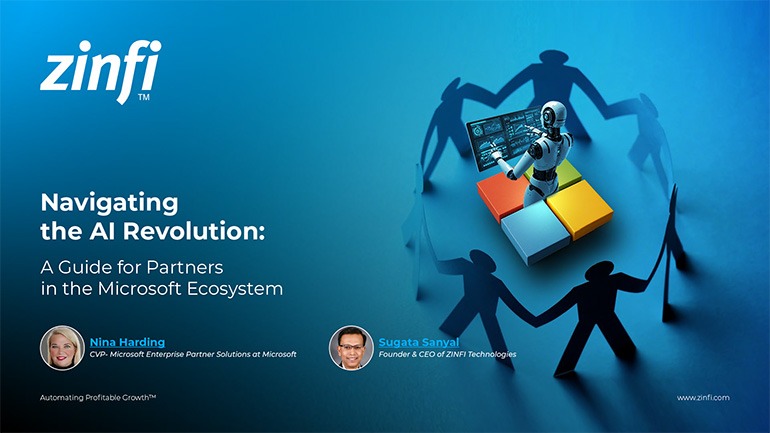
AI-Powered PRM Infrastructure: Smarter Partner Engagement, Enablement, and Channel Data Management
An AI-powered PRM infrastructure uses artificial intelligence to automate and optimize every aspect of your channel partner program. This technology transforms partner management from a reactive process to a proactive, data-driven strategy.
Organizations are constantly seeking an edge in competitive markets. A well-managed indirect sales channel provides a significant advantage for scalable growth.
Traditional partner relationship management (PRM) methods often struggle with modern demands. They can be manual, inefficient, and lacking in deep insights.
This is where an intelligent framework becomes a game-changer for businesses. An AI-powered PRM infrastructure provides the tools for unprecedented efficiency and performance.
It helps companies build stronger relationships with their partners. It also drives revenue growth through smarter, automated processes.
By leveraging AI, you can understand partner behavior and predict market trends. This capability allows you to make informed decisions that benefit your entire ecosystem.
Key Takeaways
TL;DR
- An AI-powered PRM infrastructure automates and optimizes channel management using artificial intelligence. This leads to greater efficiency and strategic foresight in partner programs.
- Autonomous partner engagement is a core benefit. It allows for personalized communication and support for partners at scale without manual intervention.
- Advanced channel data management capabilities provide deep insights. It uses predictive analytics to forecast trends and performance analytics to track success.
- Partner enablement software becomes more effective within this framework. AI delivers customized training and content to help partners sell more successfully.
- A unified partner management approach is essential for success. It ensures all tools and data work together seamlessly within a single platform.
- The ultimate goal is to create a more agile, responsive, and profitable channel. This strengthens partner loyalty and drives sustainable revenue growth for the organization.
How Does an AI-Powered PRM Infrastructure Transform Partner Engagement?
Traditional partner engagement is often generic and manually driven. An AI-powered PRM infrastructure fundamentally changes this dynamic by enabling autonomous partner engagement.
This means the system can interact with partners intelligently and proactively. It provides support, guidance, and resources without requiring constant human oversight.
Imagine a partner logging into their portal to find a personalized dashboard. The AI has already analyzed their performance, industry focus, and recent activities.
Based on this analysis, it suggests relevant new training modules. It might also recommend specific marketing campaigns poised for high success in their region.
This level of personalization fosters a feeling of individual support. It makes partners feel valued and understood by the vendor.
Furthermore, AI-driven chatbots can provide instant answers to partner questions 24/7. This immediate support removes friction and helps partners resolve issues quickly.
This automated support system frees up channel account managers. They can then focus on high-value strategic initiatives rather than routine administrative tasks.
The concept of partner communities also gets a major boost from this technology. AI can identify and connect partners with similar profiles or complementary skills.
This encourages collaboration and knowledge sharing within the ecosystem. It can also suggest discussion topics or content relevant to specific partner groups.
An intelligent system can also automate communication workflows. It can send triggered alerts based on partner behavior, such as completing a certification.
For example, a partner who registers a large deal might automatically receive a congratulatory message. They could also get an email with resources to help them close it.

This proactive communication ensures partners always feel connected and supported. It strengthens the relationship and builds long-term loyalty.
The an intelligent channel framework also helps identify at-risk partners. By analyzing engagement metrics, the AI can flag partners whose activity levels have dropped.
Channel managers receive an alert to intervene before the partner becomes completely disengaged. This proactive retention strategy is far more effective than trying to win back a lost partner.
Conversely, the system can identify high-potential partners who are ready for advancement. It can then recommend they be moved to a higher program tier.
This ensures your best partners receive the recognition and rewards they deserve. It incentivizes continued growth and outstanding performance across the channel.
Ultimately, autonomous partner engagement within an AI-powered PRM infrastructure is about building smarter relationships. It is a strategic shift from mass communication to personalized, meaningful interactions at scale.
This approach not only improves partner satisfaction but also directly impacts their sales effectiveness. Engaged and enabled partners are always more productive and successful.
What Makes Channel Data Management in an AI-Powered PRM Infrastructure Superior?
Effective channel management relies on high-quality data. However, traditional systems often struggle with fragmented information and manual analysis.
An AI-powered PRM infrastructure excels at channel data management. It unifies data from disparate sources into a single, cohesive view of the partner ecosystem.
This includes data from deal registrations, marketing campaigns, training platforms, and incentive claims. The AI normalizes and cleanses this data to ensure accuracy and consistency.
With a clean, unified dataset, the system can perform sophisticated analysis. This is where predictive analytics and performance analytics come into play.
Performance analytics provides a real-time view of what is happening right now. Channel managers can see which partners are meeting their goals and which campaigns are driving leads.
Dashboards update dynamically, offering instant insights into key performance indicators. This allows for quick adjustments to strategy based on current results.
On the other hand, predictive analytics uses historical data to forecast future outcomes. This is one of the most powerful capabilities of an intelligent system.
The AI can predict which partners are most likely to succeed. It analyzes attributes of your current top performers and finds similar partners in your network.
This insight is invaluable for partner recruitment and resource allocation. You can focus your efforts on partners with the highest potential for success.
Moreover, predictive analytics can forecast sales trends and identify market opportunities. The system might highlight a growing demand for a specific product in a certain region.
This information allows you to proactively launch targeted marketing campaigns. You can equip partners in that area with the right assets to capture the emerging opportunity.
According to an article from Oracle, predictive modeling is a crucial business advantage. It empowers organizations to anticipate changes rather than just react to them.
An advanced AI-powered PRM infrastructure also helps in identifying potential issues. It can analyze pipeline data to predict which deals are at risk of stalling.

The system can then alert a channel manager to provide extra support. This proactive intervention can be the difference between a closed deal and a lost opportunity.
The benefits of superior channel data management extend to resource planning as well. It helps organizations optimize budgets for market development funds (MDF) and co-op funds.
The AI can analyze past campaign performance to recommend how to allocate funds for maximum ROI. This data-driven approach ensures marketing investments are not wasted.
It can also automate the reporting process, a task that consumes significant time. The system can generate detailed business intelligence reports automatically.
These reports can be customized for different stakeholders, from channel managers to executive leadership. They provide clear, actionable insights without manual data compilation.
In essence, this next-generation framework turns data into a strategic asset. It moves beyond simple reporting to provide actionable intelligence that drives channel growth.
The ability to harness and interpret vast amounts of channel data is a key differentiator. It separates leading channel programs from the rest of the pack.
How Does an AI-Powered PRM Infrastructure Enhance Partner Enablement Software?
Partner enablement is the foundation of a successful channel. Well-trained and well-equipped partners are essential for driving sales and representing your brand effectively.
An AI-powered PRM infrastructure takes traditional partner enablement software to the next level. It injects intelligence into every aspect of partner training and resource delivery.
One of the most significant enhancements is the creation of personalized learning paths. The AI assesses each partner's role, skill level, and performance history.
Based on this profile, it recommends a unique training curriculum. A new technical sales engineer receives a different set of courses than an experienced marketing manager.
This targeted approach ensures partners only spend time on relevant, valuable training. It increases engagement with your learning management system and accelerates their time to revenue.
The AI can also adapt these learning paths in real time. If a partner struggles with a particular product module, the system can suggest supplementary materials or foundational courses.
Content delivery also becomes much smarter within this framework. Instead of a static content library, partners are presented with resources tailored to their needs.
When a partner registers a deal in a specific industry, the AI can surface relevant case studies. It can also suggest email templates and battle cards for that vertical.
This dynamic content recommendation saves partners valuable time. They no longer need to hunt for the right asset in a vast repository.
The system brings the perfect piece of content to them at the exact moment they need it. This convenience significantly improves the partner experience and their sales effectiveness.
An intelligent system also helps maintain content quality and relevance. The AI can analyze content usage metrics to identify which assets are most effective.
It can also flag content that is outdated or underutilized. This data allows marketing teams to focus their efforts on creating assets that truly resonate with partners and customers.
Certification tracking and management are also simplified. The AI automates reminders for expiring certifications and suggests next-level programs for ambitious partners.

This ensures your partner network remains skilled and compliant with program requirements. It reduces the administrative burden on your channel operations team.
Another powerful feature is the ability to connect enablement with performance. The AI-powered PRM infrastructure can correlate training completion with sales results.
This analysis can answer critical questions for your business. For instance, do partners who complete the advanced sales certification close larger deals?
These insights allow you to quantify the ROI of your training programs. You can then refine your enablement strategy based on what truly drives results.
The use of AI can also improve the co-branding of marketing assets. The system can guide partners in creating professional, brand-compliant materials with minimal effort.
It might suggest imagery or messaging based on the partner's local market and target audience. This helps maintain brand consistency across your entire channel ecosystem.
In short, AI transforms partner enablement from a one-size-fits-all approach to a dynamic, personalized experience. It empowers every partner to reach their full potential.
By making learning and selling easier, an AI-powered PRM infrastructure fosters a more capable partner network. This directly translates to increased channel revenue and market share.
Why is Unified Partner Management Critical for an AI-Powered PRM Infrastructure?
The true power of AI is unleashed when it has access to a complete dataset. A fragmented technology stack with siloed information will always limit its potential.
This is why unified partner management is an absolutely essential component of a successful AI-powered PRM infrastructure. It provides the cohesive foundation AI needs to thrive.
Unified partner management means integrating all channel management functions into a single platform. This includes partner recruiting, onboarding, enablement, marketing, sales, and incentives.
When all these activities happen within one system, the AI has a 360-degree view of each partner. It sees the entire partner journey from beginning to end.
This comprehensive view is crucial for accurate analysis and prediction. An AI model is only as good as the data it is trained on.
A unified platform ensures the AI receives a constant stream of high-quality, interconnected data. It can then identify complex patterns that would be invisible in a siloed environment.
For example, the AI can analyze how a partner's engagement with training modules correlates with their MDF spending. It might then find a link to their deal registration volume.
These cross-functional insights are impossible to glean when data lives in separate systems. A unified approach breaks down these barriers and unlocks deeper understanding.
This holistic view also enhances the partner experience. Partners benefit from a seamless, consistent interface for all their interactions with the vendor.
They don't have to log into one portal for training and another for deal registration. This simplified experience reduces friction and boosts partner satisfaction.
A unified partner management platform also streamlines workflows across the channel lifecycle. AI-driven automation can connect processes that were previously disconnected.
For instance, upon successful onboarding, the AI can automatically assign a personalized learning path. Upon its completion, it can unlock access to marketing campaign funds.
This level of connected automation improves efficiency for both the vendor and the partner. It ensures a smooth and logical progression through the partner program.
The management of the partner base itself becomes more strategic. A unified platform provides a single source of truth for all partner management activities.
This makes it easier to segment partners, manage contracts, and track performance against business plans. An AI-powered PRM infrastructure built on this foundation can offer intelligent recommendations at each stage.
Without a unified core, implementing AI leads to a piecemeal solution. You might have an intelligent chatbot but lack the data to make it truly helpful.
A holistic architecture ensures that every component works in harmony. The insights from one module inform the actions of another, creating a virtuous cycle of optimization.
Therefore, organizations looking to build a true AI-powered PRM infrastructure must prioritize unification. A platform that brings everything together is the launchpad for a successful AI strategy.
It transforms partner relationship management software from a simple database into a dynamic, intelligent engine. This engine is capable of driving scalable and sustainable channel growth.
Traditional PRM vs. AI-Powered PRM: A Comparison
| Feature | Traditional PRM | AI-Powered PRM Infrastructure |
| Data Analysis | Manual, historical reporting | Automated, predictive analytics and real-time insights |
| Partner Engagement | Generic, broadcast communication | Personalized, autonomous partner engagement at scale |
| Lead Distribution | Manual or round-robin assignment | Intelligent lead scoring and routing to the best-fit partner |
| Partner Enablement | One-size-fits-all content library | Personalized learning paths and dynamic content recommendations |
| Marketing Support | Static campaign assets | AI-guided campaign creation and performance prediction |
| Support | Relies on channel account managers | 24/7 AI-powered chatbots and proactive issue identification |
| Overall Approach | Reactive and administrative | Proactive, strategic, and data-driven optimization |
Unlock Your Channel's Potential with ZINFI's AI-Powered Platform
Building a true AI-powered PRM infrastructure requires a platform designed for the future. ZINFI’s Unified Partner Management (UPM) solution provides the architecture you need to succeed.
Our platform was built from the ground up to be unified and intelligent. It empowers you to manage the entire partner lifecycle from a single, intuitive interface.
With ZINFI, you can move beyond basic automation to intelligent optimization. Our embedded AI capabilities help you make smarter decisions that drive channel revenue and growth.
We provide a comprehensive suite of tools to manage your entire partner ecosystem. You can finally stop juggling multiple point solutions and disconnected data sources.
Here’s how ZINFI helps you build a world-class AI-powered PRM infrastructure:
- Complete Partner Lifecycle Management: Our unified platform seamlessly integrates all aspects of partner management. From onboarding and enablement with our Partner Learning Management Plus to sales and incentives, we cover it all.
- Advanced Analytics and Reporting: Leverage the power of our Business Intelligence & Reports module. Gain deep insights with both performance analytics and predictive analytics to guide your strategy.
- Intelligent Partner Marketing: Empower your partners with AI-enhanced marketing tools. Our Email Marketing Management and other modules help partners run effective, brand-compliant campaigns.
- Automated Sales Workflows: Streamline your channel sales processes with intelligent automation. Manage leads, track deals with Deal Registration Management, and facilitate co-selling efficiently.
- Flexible Incentive Management: Design and manage complex incentive programs with ease. Our platform supports everything from MDF Management to rebates and commissions, all driven by data.
- Seamless Integration Capabilities: Our platform is designed to connect with your existing enterprise systems. Use our Centralized Interconnect module to ensure data flows freely between your PRM and CRM or ERP.
Don't let outdated technology hold your channel back. Embrace the future with an intelligent, unified approach to partner management.
Discover how ZINFI can help you build a powerful AI-powered PRM infrastructure. It will increase partner engagement, boost sales, and provide a clear competitive advantage.
Frequently Asked Questions
What is an AI-powered PRM infrastructure?
An AI-powered PRM infrastructure is a comprehensive system for managing channel partners. It uses artificial intelligence to automate and optimize processes like engagement, enablement, and data analysis.
This intelligent framework moves beyond traditional, manual methods of partner relationship management software. It provides proactive insights and personalized experiences to drive superior channel performance and growth.
How does AI improve partner onboarding?
AI significantly enhances the partner onboarding process by making it personalized and efficient. It can analyze a new partner's profile to create a custom onboarding checklist and training plan.
This ensures partners receive the most relevant information for their specific role and market. AI-driven chatbots can also provide instant answers to questions, accelerating their ramp-up time significantly.
Can AI predict partner performance?
Yes, one of the key benefits is the ability to predict partner performance. The AI analyzes the attributes and behaviors of existing top-performing partners to build a success profile.
It then scores new and existing partners against this profile to forecast their potential. This allows channel managers to focus resources on partners with the highest likelihood of success.
What is autonomous partner engagement?
Autonomous partner engagement refers to the system's ability to interact with partners intelligently without human intervention. This includes sending personalized communications based on partner actions or performance data.
It also involves providing proactive support through AI chatbots and recommending relevant content or training. This creates a highly responsive and supportive environment for partners that operates at scale.
How does channel data management benefit from AI?
AI revolutionizes channel data management by turning raw data into actionable intelligence. It unifies data from multiple sources and uses machine learning to identify trends and patterns.
This enables powerful capabilities like predictive analytics to forecast sales and performance analytics for real-time tracking. This data-driven approach allows for much more strategic and effective decision-making.
Is an AI-powered PRM infrastructure secure?
Security is a paramount concern for any enterprise platform, especially one handling sensitive partner data. Reputable vendors design their AI-powered PRM infrastructure with robust security protocols from the ground up.
This includes features like role-based access control, data encryption, and regular security audits. These measures ensure that your company's and your partners' data remains protected and confidential.
What is the ROI of implementing this technology?
The return on investment (ROI) comes from multiple areas of improvement across the channel. This includes increased sales from better-enabled partners and improved efficiency from automated workflows.
Additional ROI drivers are lower administrative costs and higher partner retention rates due to better engagement. The ability to make data-driven decisions on budgets like MDF also ensures funds are spent effectively.
How does it help with market development funds (MDF)?
An AI-powered PRM infrastructure makes MDF management more strategic and effective. The AI can analyze past campaign performance data to recommend which activities provide the best return.
It can also help partners by suggesting pre-approved campaigns that are likely to succeed in their market. This intelligent allocation and guidance ensure that marketing funds are used to generate maximum impact.
What is the difference between automation and AI in PRM?
Automation in PRM typically refers to executing predefined, rule-based tasks without manual effort. For example, automatically sending a welcome email when a partner signs up is automation.
AI goes a step further by adding intelligence, learning, and decision-making capabilities. An AI system might analyze the new partner's data and decide which specific welcome email and training path is best.
How does ZINFI's platform use AI?
ZINFI's Unified Partner Management platform integrates AI across its entire suite of tools. For example, our system uses AI to provide predictive analytics on sales trends and partner performance.
It also personalizes partner enablement by recommending specific training and content tailored to each partner. This comprehensive approach ensures that intelligence enhances every aspect of your channel program's operations.
About the author
Sugata Sanyal
Sugata Sanyal is the Founder & CEO of ZINFI Technologies, a leader in Unified Partner Management. He has been a passionate advocate for the channel and channel partners for decades. His vision for ZINFI is to provide partner ecosystems with the tools they need to succeed.