The Future of the Automotive Partner Ecosystem
The future of the automotive partner ecosystem is a dynamic, technology-driven network. It moves far beyond traditional dealerships to embrace software, energy, and data partners.
This evolution is essential for navigating the industry's massive transformation toward electric vehicles. The old models are insufficient for the complexity of modern automotive sales and service.
Companies must adapt quickly to stay competitive in this rapidly changing landscape. Building a flexible and interconnected partner network is no longer optional but a requirement.
Success depends on integrating diverse partners into a single, collaborative framework. This ensures a seamless customer experience from purchase to ongoing vehicle maintenance and updates.
The shift represents a fundamental change in how automotive value is created and delivered. A modern partner ecosystem is the core engine for innovation and market growth.
Key Takeaways
TL;DR
- The automotive partner ecosystem is expanding beyond dealers to include tech and energy companies.
- Technology like AI and unified platforms are crucial for managing this complex new network.
- Electric vehicles and autonomous driving are major forces driving ecosystem transformation.
- A successful partner ecosystem requires strong data analytics for informed decision-making.
- Building a flexible and unified alliance structure is key to future-proofing your business.
- Customer experience is now defined by the seamless integration of all partners.
- Data sharing and collaboration are the cornerstones of a high-performing automotive network.
How is the traditional automotive partner ecosystem evolving?
The traditional automotive model centered almost exclusively on manufacturer-dealership relationships. This linear structure handled everything from vehicle sales to routine service and parts.
Today, this structure is becoming outdated due to massive industry shifts. The rise of electric vehicles and connected cars demands a more complex approach.
A modern partner ecosystem must include a wide variety of new collaborators. These include software developers, charging station providers, and battery technology firms.
This expansion is necessary to support the entire vehicle lifecycle in the electric age. Customers expect integrated solutions for charging, software updates, and advanced features.
For example, telematics and infotainment systems require constant software innovation. This work often comes from specialized technology partners, not the car manufacturers themselves.
Similarly, the growth of EVs necessitates partnerships with utility companies and charging networks. This ensures that drivers have reliable access to power wherever they go.
The financial services sector is also becoming more deeply integrated into this framework. Partners offer innovative financing, insurance, and subscription models for vehicles and services.
This evolving web of relationships creates a richer but more complex business environment. Managing this intricate partner ecosystem requires new tools and strategic thinking.
OEMs are no longer just manufacturers; they are becoming ecosystem orchestrators. Their role is to manage and align all these diverse partners toward a common goal.
This shift ultimately benefits the consumer by providing a more holistic and convenient ownership experience. A well-managed collaborative framework delivers superior value compared to siloed operations.
Success in this new era hinges on the ability to build and sustain these relationships. The most successful companies will master the art of ecosystem management and collaboration.
Therefore, the evolution from a simple channel to a multifaceted partner ecosystem is profound. It redefines competition, collaboration, and customer value in the automotive world.
Companies can use platforms to manage these complex relationships with greater efficiency. A partner management solution provides the necessary foundation for this new structure.
This allows for streamlined communication and performance tracking across the entire network. Such a system is vital for maintaining alignment within the expansive partner ecosystem.
Automakers must also redefine their agreements and programs to accommodate these new players. Partner contracts management tools help formalize these new and diverse partnership arrangements.
The goal is to create a flexible and resilient partner ecosystem. This network can adapt to market changes and emerging technologies with agility.
What role does technology play in the modern partner ecosystem?
Technology is the backbone of the modern automotive partner ecosystem. It enables the seamless integration and management of dozens or even hundreds of partners.
Without advanced software platforms, orchestrating such a complex network would be impossible. Manual processes are simply too slow and prone to error for today's market demands.
Unified Partner Management (UPM) platforms are becoming essential tools for automotive leaders. These systems provide a single pane of glass to oversee all partner activities.
From a UPM dashboard, a company can manage everything from onboarding to performance reviews. This centralization brings order to the complexity of a diverse partner network.
Artificial intelligence (AI) is another critical technological component for a successful alliance structure. AI can analyze vast amounts of data to identify trends and opportunities.
For instance, predictive analytics can forecast sales trends across different regions. This helps automakers and their partners optimize inventory and marketing strategies.
AI also powers personalization, a key driver of modern customer experience. It allows for tailored marketing messages and service offerings for individual consumers.
This level of customization is only possible through the effective use of shared data. A unified platform facilitates this secure and efficient data exchange between partners.
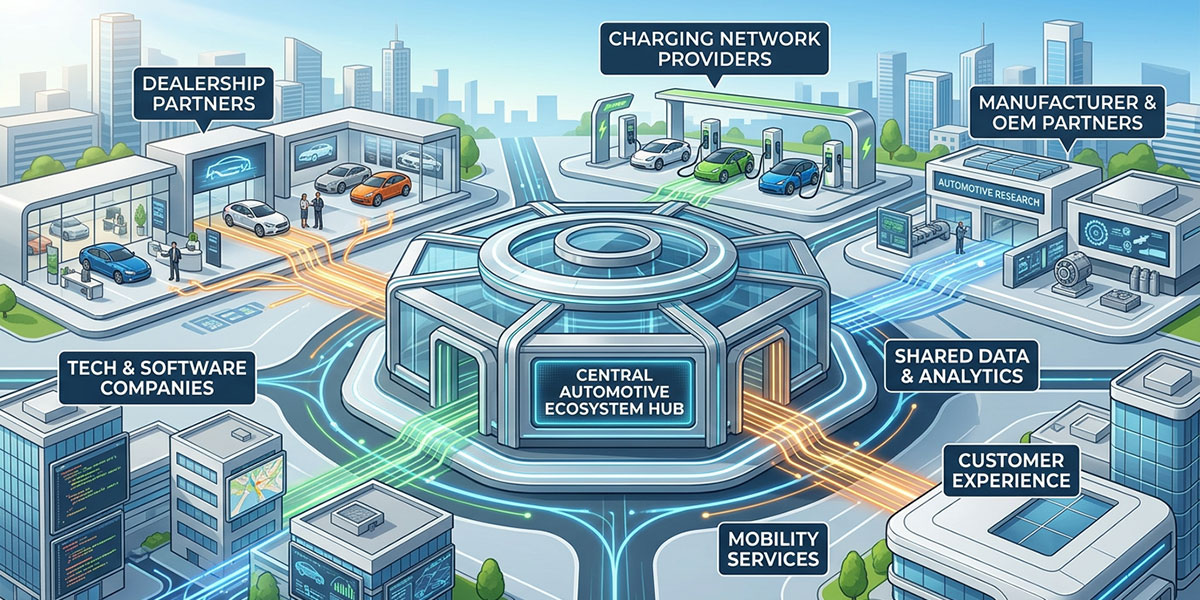
Cloud computing provides the scalable infrastructure needed to support this digital framework. It allows real-time access to information for all partners, regardless of their location.
This enables a level of collaboration that was previously unimaginable in the industry. Partners can work together on joint business plans and marketing campaigns fluidly.
Moreover, tools for co-branded assets management ensure brand consistency across the entire partner ecosystem. This consistency is vital for building and maintaining customer trust.
Workflows can be automated to improve efficiency and reduce administrative overhead. For example, a workflow management system can automate the process for deal registration or MDF claims.
This automation frees up personnel to focus on more strategic, value-added activities. It helps streamline operations and accelerate the speed of business across the network.
Ultimately, technology serves as the connective tissue for the entire collaborative framework. It transforms a loose collection of partners into a cohesive, high-performing team.
A well-implemented technology stack is a significant competitive differentiator. It empowers a company to manage its partner ecosystem more effectively than rivals.
As the automotive industry continues its digital transformation, this reliance on technology will only grow. Investing in the right platforms is crucial for long-term success and sustainability.
How does a unified partner ecosystem support EV and autonomous vehicle growth?
The transition to electric and autonomous vehicles is a monumental undertaking. It requires a level of collaboration far beyond what the industry has ever seen.
A unified partner ecosystem is the only viable way to manage this complexity. It brings together all the necessary players under a single strategic umbrella.
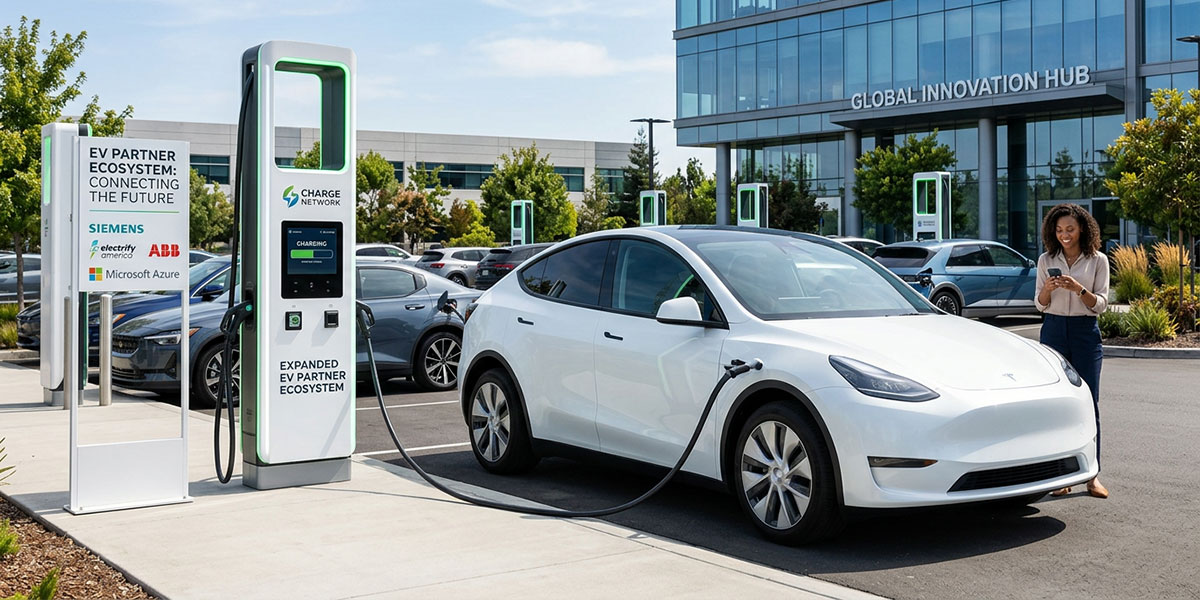
For electric vehicles, the ecosystem must include battery manufacturers and recycling firms. It also needs to involve charging infrastructure companies and electricity providers.
Managing these relationships in silos would lead to a fragmented customer experience. A driver might struggle to find compatible charging stations or get battery servicing.
A unified approach ensures that all these elements work together seamlessly. The automaker can orchestrate the experience, ensuring consistency and reliability for the owner.
This is where partner program management becomes so important for the alliance structure. Tools for partner programs management help structure incentives and goals for all participants.
Autonomous vehicles introduce even more complexity into the partner ecosystem. They rely on a suite of technologies from various specialized partners.
These partners include LiDAR and camera sensor manufacturers, as well as AI software developers. They also involve high-definition mapping companies and data processing firms.
As a leading consulting firm notes, these ecosystems are becoming the new basis for competition. Gartner highlights that automakers must shift from product features to leading ecosystems.
A unified platform is essential for managing the development, testing, and deployment processes. It ensures all components and software versions are compatible and function correctly.
The massive amounts of data generated by autonomous vehicles also require a robust partner ecosystem. This includes partners for data storage, processing, and cybersecurity.
Collaboration with regulatory bodies and insurance companies is also a critical part of this network. A cohesive strategy helps navigate the legal and liability challenges of autonomous driving.
By using a unified platform, an automaker can track compliance and data governance. This is vital for building trust with both consumers and government agencies.
Ultimately, a successful EV and autonomous vehicle strategy depends on this holistic approach. The vehicle itself is just one component of a much larger value proposition.
The strength of a company's collaborative framework will determine its success in these new markets. The ability to orchestrate a diverse partner ecosystem is the key competitive advantage.
This approach allows automakers to innovate faster and bring new technologies to market. They can leverage the expertise of their partners instead of developing everything in-house.
This accelerates progress and reduces the immense financial burden of research and development. It is a smarter, more agile way to compete in the future of mobility.
A well-managed partner ecosystem is therefore not just a support function. It is a core strategic asset for any company serious about leading in EVs and autonomy.
Traditional vs. AI-Powered Partner Ecosystems
| Feature | Traditional Ecosystem | AI-Powered Ecosystem |
|---|---|---|
| Structure | Linear and siloed (OEM to dealer) | Dynamic and networked (many-to-many) |
| Decision-Making | Based on historical data and intuition | Driven by real-time data and predictive analytics |
| Partner Management | Manual processes, spreadsheets | Automated workflows on a unified platform |
| Customer Experience | Fragmented and inconsistent | Seamless and personalized |
| Collaboration | Limited and transactional | Deep, real-time, and strategic |
| Data Usage | Data is hoarded within silos | Data is securely shared for mutual benefit |
| Adaptability | Slow to react to market changes | Agile and responsive to new opportunities |
What are the key strategies for building a future-proof partner ecosystem?
Building a future-proof partner ecosystem requires a deliberate and strategic approach. It is not something that happens by accident or through ad-hoc partnerships.
The first strategy is to adopt a platform-based approach to partner management. A robust Unified Partner Management platform is the foundational investment for success.
This platform should serve as the central hub for all partner-related activities. This includes onboarding, training, marketing, and sales collaboration across the collaborative framework.
Second, companies must define a clear and compelling vision for their partner ecosystem. All partners should understand the overall goals and their specific role in achieving them.
This shared vision helps align diverse partners and fosters a sense of common purpose. It transforms transactional relationships into true strategic alliances for all participants.
A third crucial strategy involves embracing a data-driven culture throughout the entire network. Decisions should be based on robust analytics rather than on gut feelings or assumptions.
This requires tools that can collect, analyze, and visualize data from across the partner ecosystem. A powerful business intelligence and reports module is essential for this purpose.
Fourth, continuous enablement and training are vital for keeping partners engaged and effective. The automotive landscape is changing so fast that skills can quickly become obsolete.
A comprehensive partner learning management system can deliver up-to-date training. It ensures partners have the knowledge to sell and service new, complex products.
The fifth strategy is to foster a culture of open communication and collaboration. Partners should feel empowered to share feedback, ideas, and concerns with the manufacturer.
A partner community management tool can create a space for this type of interaction. It helps build a strong sense of community within the alliance structure.
Another key strategy is to streamline and automate administrative processes wherever possible. Complicated reimbursement programs or deal registration systems can frustrate partners.
Automating tasks like MDF management or deal registration improves the partner experience. It makes it easier for them to do business with you, fostering loyalty.
Finally, agility and flexibility must be designed into the very structure of the partner ecosystem. The market will continue to evolve in unpredictable ways, demanding adaptation.
Contracts, programs, and platforms should be flexible enough to accommodate new partner types. They should also support new business models as they emerge in the industry.
By implementing these strategies, automotive companies can build a resilient and effective network. Their partner ecosystem will become a durable asset that drives growth for years.

How can analytics enhance the performance of a partner ecosystem?
Analytics are the key to unlocking the full potential of an automotive partner ecosystem. They transform raw data into actionable insights that drive better performance.
Without strong analytics, a company is essentially flying blind when managing its partners. It cannot objectively measure what is working and what is not working well.
Performance analytics provide a clear view of how each partner is contributing. It tracks key performance indicators (KPIs) like sales volume, customer satisfaction, and lead conversion rates.
This allows managers to identify top-performing partners and understand the secrets to their success. These best practices can then be shared across the entire partner network.
It also helps pinpoint underperforming partners who may need additional training or support. This data-driven approach to partner development is far more effective than subjective assessments.
Predictive analytics takes this a step further by looking into the future. It uses AI models to forecast outcomes based on current data and trends.
For example, it can predict which sales leads are most likely to close. This allows sales teams to prioritize their efforts and improve efficiency.
It can also forecast demand for specific vehicle models or services in different markets. This information is invaluable for optimizing inventory and resource allocation across the partner ecosystem.
Analytics can also significantly enhance marketing efforts within the alliance structure. By analyzing customer data, partners can create highly targeted and personalized campaigns.
This leads to higher engagement rates and a better return on marketing investment. A platform with robust email marketing management capabilities makes this possible.
Furthermore, analytics can reveal important insights about the overall health of the partner ecosystem. It can identify bottlenecks in processes or areas of friction between partners.
This allows the ecosystem orchestrator to make targeted improvements that benefit everyone. It helps create a smoother, more efficient, and more profitable network for all involved.
Data from service centers can be analyzed to identify recurring product issues. This feedback loop to engineering can drive improvements in vehicle quality and reliability.
By integrating various data sources, analytics provide a holistic view of the customer journey. This understanding is critical for optimizing the customer experience at every single touchpoint.
In essence, analytics provide the intelligence layer for the entire collaborative framework. It empowers every member of the network to make smarter, more informed decisions.
An investment in a powerful analytics engine is an investment in the entire ecosystem's success. It is a critical component for any automotive company looking to lead the future.
How ZINFI Empowers the Automotive Partner Ecosystem
ZINFI's Unified Partner Management platform provides the tools to build a future-proof network. It is designed to manage the complexity of the modern automotive industry.
With ZINFI, companies can orchestrate their entire partner ecosystem from a single, integrated solution. This drives efficiency, collaboration, and growth across the complete value chain.
- ZINFI offers a complete suite of modules for managing all aspects of the partner lifecycle. This includes recruitment, onboarding, enablement, and performance management modules for the framework.
- The platform’s powerful analytics provide deep insights into partner and program performance. This empowers businesses to make data-driven decisions that optimize their channel strategy.
- Automation capabilities for workflows, marketing, and incentive management reduce administrative burden. This helps partners focus on selling and servicing customers more effectively.
- Robust content and learning management features ensure partners are always equipped with the latest knowledge. This is critical in a rapidly changing industry with complex products. li>The flexible and scalable architecture can support a diverse partner ecosystem of any size. It accommodates traditional dealers, tech startups, and energy providers seamlessly.
- ZINFI's focus on co-selling and co-marketing enables deeper collaboration between partners. This helps create integrated campaigns that deliver a superior, unified customer experience.
Frequently Asked Questions
What is an automotive partner ecosystem?
It is a network of companies collaborating to deliver value to automotive customers. This includes dealers, tech firms, charging providers, and more working together.
Why is the traditional dealership model not enough anymore?
The rise of EVs and connected cars requires expertise beyond sales and service. A broader partner ecosystem is needed to support software, charging, and data services.
What technologies are essential for managing a modern partner ecosystem?
Unified Partner Management (UPM) platforms, AI, and data analytics are critical. They help orchestrate partners, automate processes, and derive actionable business insights.
How does a unified ecosystem benefit EV owners?
It creates a seamless experience for charging, battery service, and software updates. It integrates multiple services into a single, cohesive ownership journey for them.
What is the role of data analytics in a partner network?
Data analytics helps measure partner performance and forecast trends. It enables data-driven decisions for sales, marketing, and overall strategy across the network.
How does AI contribute to a partner ecosystem?
AI powers predictive analytics for forecasting and personalizes the customer experience. It also automates complex tasks, which improves overall efficiency for everyone.
What is a Unified Partner Management (UPM) platform?
A UPM platform is a centralized software solution for managing all partner activities. It streamlines onboarding, training, marketing, incentives, and performance tracking efforts.
How can automakers ensure brand consistency across many partners?
Using a UPM platform with co-branded asset management ensures consistent messaging. It provides partners with approved marketing materials and branding guidelines.
What is a key challenge in building a future-proof partner ecosystem?
A key challenge is integrating diverse partners with different business models. A flexible platform and clear, shared goals are essential to overcoming this.
Why is partner training so important in today's automotive industry?
Vehicles are more complex, with advanced software and electric powertrains. Continuous training ensures partners have the expertise to sell and service these products.
About the author
Sugata Sanyal
Sugata Sanyal is the Founder & CEO of ZINFI Technologies, a leader in Unified Partner Management. He has been a passionate advocate for the channel and channel partners for decades. His vision for ZINFI is to provide partner ecosystems with the tools they need to succeed.