Why Partner Relationship Management Is Essential for Scaling Modern Businesses
Partner Relationship Management is essential for scaling modern businesses by automating and optimizing channel partner ecosystems. This strategic approach provides the structure needed to manage, support, and grow with indirect sales partners. Without a robust system, companies struggle to maintain efficiency and consistency as their partner network expands.
In today's competitive landscape, leveraging a channel partner network is a powerful growth strategy. These partners act as an extension of your sales force, reaching new markets and customers. However, managing this network with spreadsheets and emails quickly becomes chaotic and unsustainable.
A dedicated Partner Relationship Management platform brings order to this complexity. It centralizes all partner-related activities, data, and communications into a single, accessible portal. This consolidation empowers both your internal channel team and your external partners to succeed together.
Key Takeaways
- A Partner Relationship Management system centralizes all partner data, activities, and communication.
- Automation of key channel functions saves time and reduces administrative overhead.
- Effective PRM boosts partner engagement, which directly correlates with increased channel revenue.
- It provides clear visibility into channel performance through robust reporting and analytics.
- PRM is fundamental for successfully scaling indirect sales channels without losing control.
- A centralized platform helps maintain brand consistency across a diverse partner network.
- Data-driven insights from PRM software enable smarter, more strategic business decisions.
How Does Partner Relationship Management Drive Channel Growth?
Effective Partner Relationship Management directly fuels channel growth by empowering partners for success. It provides the essential tools, resources, and support that partners need to thrive. This structure allows you to scale your partner program without sacrificing quality or support.
A core element is a streamlined partner onboarding process. New partners can quickly get up to speed with automated workflows and guided training modules. This reduces the time it takes for a new partner to become a revenue-generating asset.
Furthermore, a PRM platform serves as a central hub for all sales and marketing resources. Partners gain on-demand access to a content library filled with datasheets, presentations, and case studies. This ensures they always have the right materials to engage prospects effectively and close deals.
Training and certification programs are managed easily through the system. You can deliver courses and track progress using a dedicated learning management module. Well-trained partners are more confident, knowledgeable, and successful in representing your brand and products.
By simplifying these crucial enablement activities, Partner Relationship Management removes friction from the partner journey. It creates a professional and supportive environment that attracts high-performing partners. This foundation is critical for building a channel that can scale alongside your business ambitions.
Comprehensive partner programs management also becomes more manageable. You can easily define different partner tiers, each with specific requirements and benefits. The PRM system automates the tracking and management of these tiers, ensuring fairness and transparency.
This structured approach helps partners understand the path to greater success within your ecosystem. Clear goals and rewards motivate them to invest more in the partnership. Ultimately, a well-managed program leads to a more committed and productive partner network.
What Core Functions Does Partner Relationship Management Automate?
Automation is a cornerstone of modern Partner Relationship Management, transforming channel operations. It eliminates manual tasks, reduces human error, and frees up your channel managers' time. They can then focus on strategic relationship-building instead of administrative work.
One of the most critical automated functions is deal registration. Partners can submit new sales opportunities through the portal, preventing channel conflict. The system automatically routes the deal for approval, providing transparency for everyone involved.
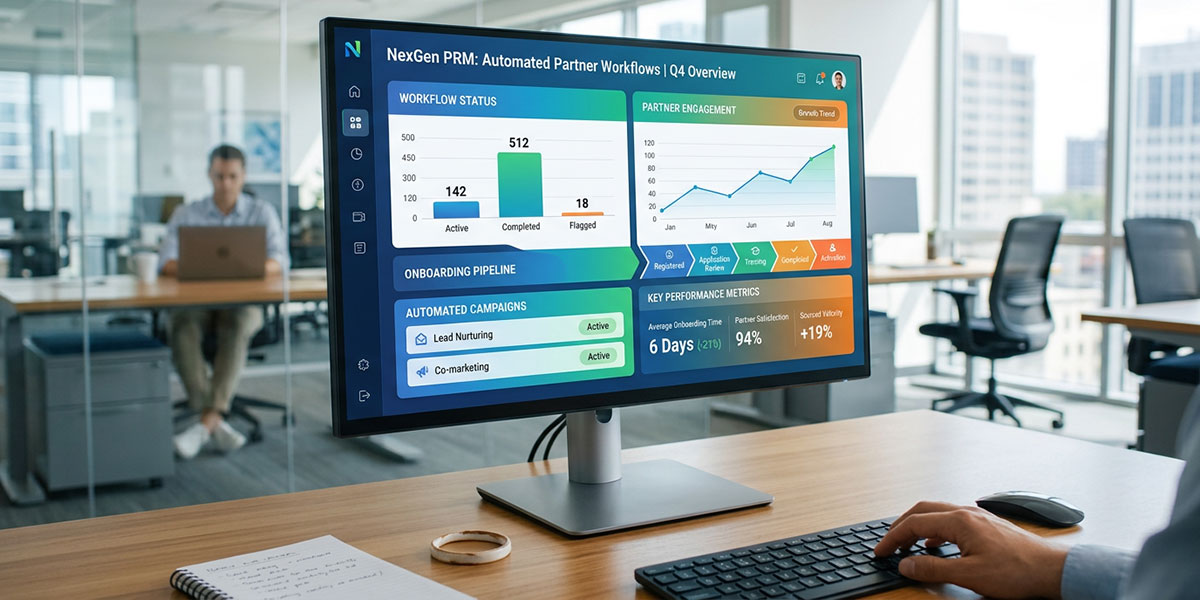
Lead distribution is another key area for automation. Incoming leads can be automatically assigned to the best-fit partner based on predefined rules. These rules can include geography, partner tier, product specialization, or certification level.
This ensures that valuable leads are followed up on promptly by the most qualified partner. It accelerates the sales cycle and increases the likelihood of conversion. The entire process is tracked within the system for complete visibility.
Financial processes also benefit greatly from automation. Managing market development funds (MDF) and co-op funds can be complex. A PRM platform automates the request, approval, and claims reimbursement process for these funds.
This digital workflow provides a clear audit trail and ensures compliance with program rules. Partners appreciate the speed and transparency, while your finance team benefits from streamlined operations. The automation of incentives keeps partners motivated and engaged in joint marketing efforts.
A robust Partner Relationship Management platform uses data to offer advanced analytics. It provides deep insights into every aspect of your channel's operations. You gain access to real-time dashboards and reports on partner performance and sales pipelines.
This data-driven approach moves beyond simple reporting to include predictive analytics. The system can help you forecast future sales based on current pipeline activity. Sophisticated performance analytics also identifies top-performing partners and those who may need additional support.
Traditional vs. AI-Powered Partner Relationship Management
| Feature | Traditional Approach | AI-Powered PRM Approach |
|---|---|---|
| Onboarding | Manual, slow, and inconsistent process. | Automated, guided, and personalized onboarding paths. |
| Lead Management | Manual lead distribution, often biased or slow. | AI-driven lead scoring and routing for optimal assignment. |
| Performance Tracking | Based on historical data and manual reports. | Real-time dashboards with predictive analytics and forecasting. |
| Personalization | Generic content and communication for all partners. | Personalized content recommendations and communication. |
| Scalability | Limited by administrative headcount and manual efforts. | Highly scalable with automated workflows and processes. |
| Partner Support | Reactive support based on inbound partner queries. | Proactive support identifies at-risk partners ahead of time. |
| Data Insights | Basic reporting on past performance, difficult to compile. | Deep, actionable insights from integrated performance analytics. |
Why is Partner Relationship Management Critical for Brand Consistency?
Maintaining a consistent brand message is challenging when working with a diverse partner network. A Partner Relationship Management platform is the key to solving this problem effectively. It acts as the single source of truth for all brand-related assets and guidelines.
Without a centralized system, partners may use outdated logos, incorrect product information, or off-brand messaging. This brand dilution can confuse customers and weaken your market position. A PRM platform ensures every partner represents your brand accurately and professionally.

The platform’s centralized content library is the foundation of brand control. It houses all approved marketing and sales materials for partners to access. When a document is updated, the old version is replaced, ensuring everyone uses the latest content.
This functionality is crucial for product launches, pricing updates, or brand refreshes. Changes are propagated instantly across the entire partner ecosystem. You can be confident that your message remains consistent in every market.
Moreover, robust Partner Relationship Management tools often include modules for co-branded assets. These tools allow partners to easily customize marketing materials with their own logo and contact information. The customization happens within locked templates that protect your core brand elements.
This empowers partners to conduct local marketing while adhering to corporate brand standards. It offers them the flexibility they need without introducing brand risk. This capability is a powerful driver of partner-led marketing activities.
Through-channel marketing automation (TCMA) campaigns can also be managed within the PRM system. You can create complete campaigns that partners can execute with just a few clicks. This includes email marketing, social media posts, and even small-scale events.
By providing pre-built, brand-approved campaigns, you make it easy for partners to generate leads. It ensures a consistent customer experience, regardless of which partner a customer interacts with. This cohesive approach strengthens your brand's overall presence and reputation in the market.
How Does Partner Relationship Management Enhance Partner Engagement?
Partner engagement is the lifeblood of a successful indirect sales channel. Engaged partners are more loyal, productive, and proactive in selling your products and services. A dedicated Partner Relationship Management platform is instrumental in fostering this deep level of engagement.
The PRM portal acts as a central communication hub for your entire partner ecosystem. You can share company news, product updates, and program announcements efficiently. This ensures all partners feel connected and informed about the business they represent.
Features like a partner community allow for valuable peer-to-peer interaction. Partners can share best practices, ask questions, and collaborate on opportunities. This sense of community builds stronger relationships and a more supportive environment.

Another powerful engagement tool is joint partner business planning. A PRM system allows you and your partners to create and track shared business plans. This collaborative process aligns goals and establishes mutual accountability for success.
When partners are involved in planning, they feel a greater sense of ownership. They are more invested in achieving the targets they helped set. This strategic alignment is a hallmark of a mature and productive channel partnership.
Incentive programs are also more effective when managed through a PRM solution. You can design, implement, and track various incentives like rebates, commissions, and SPIFFs. Partners have clear visibility into their potential earnings and progress toward goals.
This transparency is highly motivating and drives the desired sales behaviors. As experts from Gartner note, building a world-class partner ecosystem requires a focus on mutual value. A great Partner Relationship Management experience is a clear demonstration of your commitment to partner success.
Finally, providing excellent support is crucial for engagement. A PRM platform can include a partner support module with a ticketing system and knowledge base. This ensures partners get timely and accurate answers to their questions, reducing frustration.
When partners feel supported and valued, their engagement deepens. They become true advocates for your brand, going above and beyond to drive business. This level of partnership is the ultimate goal of any channel strategy and a key outcome of effective PRM.
Unleash Your Channel's Potential with ZINFI
ZINFI's Unified Partner Management (UPM) platform provides a comprehensive solution for your channel needs. It goes beyond traditional Partner Relationship Management with a suite of integrated modules. Our platform empowers you to manage the entire partner lifecycle from a single, intuitive interface.
Our solution is purpose-built to help you scale your channel operations globally. We provide the tools you need to automate processes, engage partners, and drive predictable revenue growth. With ZINFI, you can unlock the full potential of your partner ecosystem.
- Partner Relationship Management (PRM): Build a solid foundation with tools for partner onboarding, business planning, and contract management.
- Partner Marketing Management (PMM): Empower partners with co-brandable assets, campaign builders, and social media syndication.
- Partner Sales Management (PSM): Streamline your sales process with deal registration, lead management, and configure-price-quote tools.
- Flexible and Modular Architecture: Start with what you need today and easily add more capabilities as your program evolves.
- Advanced Reporting and Analytics: Gain deep insights into every aspect of channel performance with real-time dashboards and reports.
- Global, Multi-Language Support: Manage a diverse, global partner network with a platform that supports multiple languages and currencies.
Frequently Asked Questions
What is the main goal of Partner Relationship Management?
The main goal of Partner Relationship Management is to create a mutually beneficial relationship with channel partners. It aims to make partners more successful, which in turn drives more revenue for the vendor.
How does PRM differ from CRM?
Customer Relationship Management (CRM) focuses on managing relationships with direct customers. Partner Relationship Management (PRM) focuses on managing relationships with indirect sales partners or channel companies.
Who uses a Partner Relationship Management system?
PRM systems are used by a company's internal channel management team. They are also used by the external channel partners who sell and service the company's products.
Can small businesses benefit from PRM?
Yes, small businesses can benefit greatly from a PRM, especially if they rely on partners for growth. Modern, cloud-based PRM solutions are affordable and scalable for businesses of all sizes.
What are the signs that a company needs a PRM solution?
Signs include channel conflict, inconsistent branding, low partner engagement, and an inability to track partner performance. Relying heavily on spreadsheets and email for partner management is also a major indicator.
How long does it take to implement a PRM platform?
Implementation time varies based on complexity and the number of modules deployed. A basic implementation can take a few weeks, while a more comprehensive rollout might take several months.
What is the ROI for a Partner Relationship Management system?
The ROI comes from increased channel sales, higher partner productivity, and reduced administrative costs. Improved efficiency and faster partner onboarding also contribute significantly to a positive return on investment.
Does PRM help with partner onboarding?
Yes, streamlining partner onboarding is a key feature of any effective Partner Relationship Management platform. It automates training, contract signing, and access to resources, accelerating time-to-revenue for new partners.
How does PRM improve communication with partners?
PRM provides a centralized portal for all communications, such as newsletters, alerts, and announcements. This ensures that important information reaches all partners in a timely and consistent manner.
Can PRM integrate with other business systems?
Yes, most modern PRM platforms are designed to integrate with other core business systems. Common integrations include CRM, ERP, and marketing automation platforms for seamless data flow.
About the author
Sugata Sanyal
Sugata Sanyal is the Founder & CEO of ZINFI Technologies, a leader in Unified Partner Management. He has been a passionate advocate for the channel and channel partners for decades. His vision for ZINFI is to provide partner ecosystems with the tools they need to succeed.