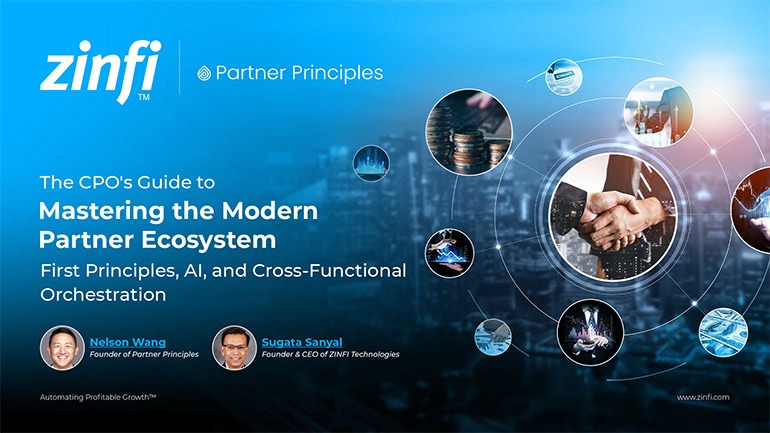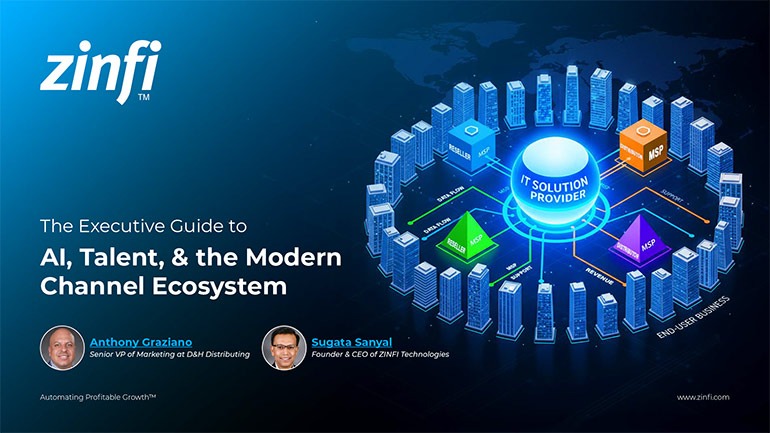
The New Partner Chief: Driving Revenue Through Data-Driven Orchestration and AI Automation within the Partner Ecosystem
The role of the Chief Partner Officer has dramatically evolved in recent years. They now orchestrate a complex partner ecosystem using data and artificial intelligence for growth.
Gone are the days of managing channels based on intuition and manual processes. Today’s leaders must navigate a sophisticated web of relationships with data-driven precision.
This shift requires a deep understanding of technology, data analytics, and strategic automation. It allows leaders to foster collaboration and drive unprecedented revenue through their networks.
Success in this new era hinges on leveraging AI to automate tasks and personalize experiences. This empowers partners and creates a more efficient and profitable channel environment.
We will explore how modern partner chiefs are building the future of channel sales. They are turning their partner networks into powerful, data-informed revenue engines through orchestration.
Key Takeaways
TL;DR
- The Chief Partner Officer role now focuses on data-driven orchestration of the partner ecosystem.
- AI and automation are essential for managing complex partner relationships effectively and at scale.
- Data analytics provides deep insights into partner performance, engagement, and overall program health.
- Personalization powered by AI enhances the partner journey, boosting engagement and loyalty.
- A successful modern alliance network requires a strategic shift towards technology and data culture.
- Key metrics now include partner engagement, time-to-revenue, and customer lifetime value.
- Unified Partner Management platforms are critical for implementing these advanced strategies successfully.
How is data transforming the modern partner ecosystem?
Data has become the lifeblood of the contemporary partner ecosystem, enabling strategic decisions. This replaces outdated guesswork with actionable insights for channel managers.
Companies that harness data effectively gain a significant competitive advantage in their markets. They can identify top-performing partners and replicate their success across the network.
One of the biggest transformations is the ability to monitor partner performance in real-time. This allows for immediate intervention and support where it is most needed.
Performance dashboards provide a clear view of key metrics like lead conversion and sales volume. This transparency helps both vendors and partners understand what is working well.
Another crucial area is understanding partner engagement across the entire lifecycle. Companies can track how partners interact with training materials, marketing campaigns, and support resources.
This engagement data helps channel chiefs refine their enablement programs for better results. They can create more relevant content and deliver targeted support to their channel allies.
Market trend analysis is also revolutionized by data collected within the channel environment. It reveals emerging opportunities and potential threats before they become major issues.
By analyzing sales data across regions and industries, organizations can allocate resources more effectively. This ensures marketing development funds and other incentives generate maximum return on investment.
A data-centric approach helps in segmenting partners based on their capabilities and performance. This allows for customized program tiers and more personalized support structures.
High-performing partners might receive exclusive benefits, while developing partners get targeted training. This tailored approach makes the entire partner network much more efficient and productive.
Furthermore, data is essential for managing complex channel finances with great accuracy. It automates calculations for partner commissions and rebates, reducing errors and disputes.
This builds trust and strengthens the relationship between the vendor and its partners. Reliable and timely payments are a cornerstone of a healthy channel partnership program.
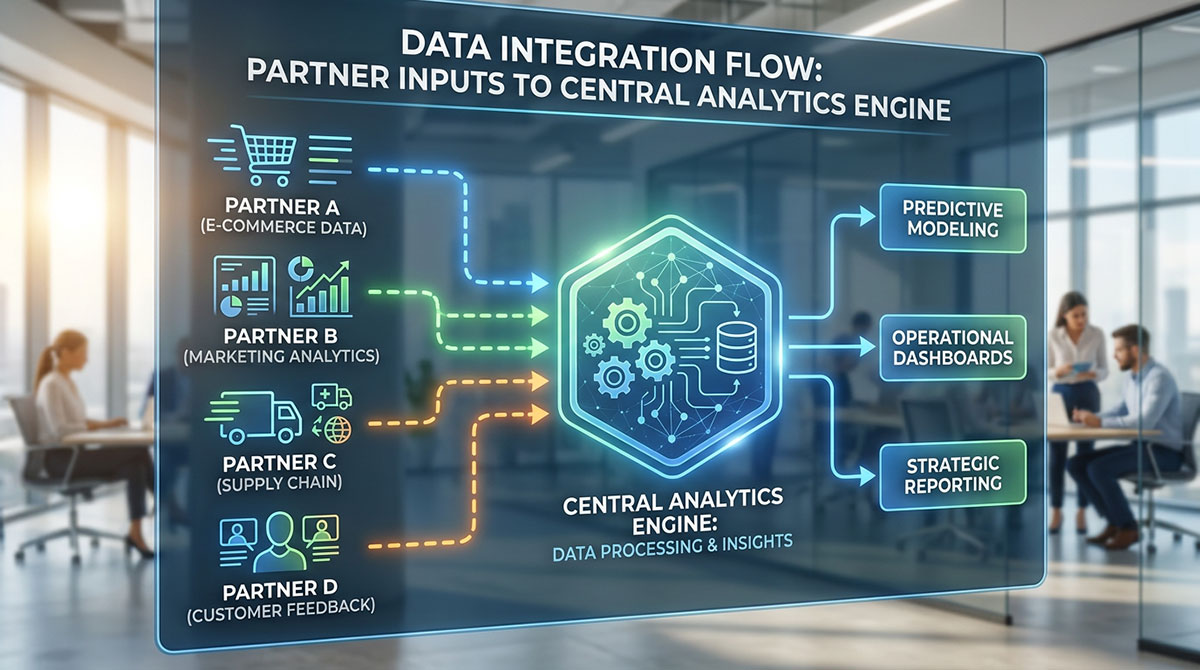
The use of advanced performance analytics provides a holistic view of the program's health. It moves beyond simple revenue numbers to understand the drivers behind success.
Tools like ZINFI’s business intelligence and reports module offer comprehensive dashboards. They turn raw data into clear, visual, and actionable information for channel leaders.
This detailed analysis helps pinpoint inefficiencies within the sales process or marketing efforts. Leaders can then implement targeted improvements to boost overall channel productivity.
Understanding the customer journey through the partner is another data-driven advantage. It helps identify friction points and opportunities to improve the end-customer experience.
A seamless customer experience often leads to higher satisfaction and repeat business. This benefits both the vendor and the partner responsible for the sale.
Ultimately, a deep reliance on data transforms the partner ecosystem into a predictable engine. It moves from being a loosely managed sales channel to a strategic business driver.
This evolution allows the Chief Partner Officer to speak the language of the boardroom. They can present clear data that links channel activities directly to business outcomes.
What role does AI play in orchestrating the partner ecosystem?
Artificial intelligence serves as the conductor for the complex orchestra of a modern partner ecosystem. It automates and optimizes countless processes that were once manual and slow.
AI's primary role is to bring scale, speed, and intelligence to every partner interaction. This frees up human channel managers to focus on high-value strategic relationships.
One of the most impactful applications of AI is in workflow automation. Routine tasks like partner onboarding and deal registration can be streamlined significantly.
An automated workflow management system ensures consistency and compliance across the entire network. Partners get a better experience, and administrative overhead is drastically reduced.
AI also excels at personalizing the partner journey from start to finish. It can recommend relevant training modules based on a partner's role and performance history.
This tailored approach is achieved through solutions like a partner learning management system. It ensures partners receive the right knowledge at exactly the right time.
In marketing, AI personalizes campaigns for different partner segments and their customers. It can dynamically assemble emails or social media posts for maximum local impact.
This level of customization, managed through tools for email marketing management, boosts engagement. It makes marketing efforts more effective without adding extra work for partners.
Predictive analytics, a key function of AI, is changing how leads are managed. AI algorithms can score leads to predict which ones are most likely to close.
This allows partners to focus their efforts on the most promising opportunities. It improves sales efficiency and shortens the sales cycle across the alliance community.
AI-driven content management systems are another powerful tool in the channel chief's arsenal. They can suggest the most effective sales asset for a specific deal stage or customer type.
This ensures partners always have the best, most relevant information at their fingertips. A robust content library management tool is essential for this capability.
AI also plays a critical role in preventing channel conflict before it happens. It can analyze deal registration data to flag potential overlaps between partners automatically.
This proactive approach maintains fairness and trust within the partner ecosystem. It helps avoid disputes that can damage relationships and disrupt sales momentum.
Furthermore, AI-powered chatbots and support systems provide partners with 24/7 assistance. They can answer common questions instantly, improving partner satisfaction and productivity.
This instant support, often part of a partner support management solution, reduces the burden on human support teams. It allows them to handle more complex and strategic partner inquiries.
AI tools can also monitor partner communications to gauge sentiment and identify at-risk partners. This early warning system allows channel managers to intervene proactively.
By addressing concerns early, companies can reduce partner churn and maintain a stable channel. This proactive management is key to long-term success of the partner program.
Orchestration through AI ensures that all parts of the partner program work together seamlessly. It connects marketing, sales, enablement, and incentives into one cohesive system.
This unified approach breaks down silos and creates a frictionless experience for partners. They can navigate the program easily, which encourages deeper engagement and loyalty.
Traditional vs. AI-Powered Partner Ecosystem Management
| Feature | Traditional Approach | AI-Powered Approach |
|---|---|---|
| Decision Making | Based on gut feelings and historical reports | Based on real-time data and predictive insights |
| Partner Onboarding | Manual, slow, and often inconsistent | Automated, fast, and standardized for all partners |
| Lead Distribution | Manual allocation or round-robin | AI-based lead scoring and intelligent routing |
| Partner Enablement | One-size-fits-all training catalog | Personalized learning paths based on role and need |
| Marketing Support | Generic marketing assets and campaigns | Co-branded and dynamic content personalization |
| Performance Review | Quarterly or annual reviews | Continuous performance analytics with real-time dashboards |
| Conflict Resolution | Reactive, based on partner complaints | Proactive, flags potential conflicts automatically |
How can a Chief Partner Officer build a data-driven partner ecosystem?
Building a data-driven partner ecosystem requires a combination of culture, technology, and strategy. The Chief Partner Officer must champion this transformation from the very top.
The first step is to foster a data-first culture throughout the channel organization. Everyone from channel managers to marketing specialists must value and use data daily.
This cultural shift involves providing training on data literacy and analytical tools. It also means celebrating successes that are backed by clear data-driven decisions.
The next critical step is investing in the right technology platform. A unified partner relationship management (PRM) solution is the foundation of a modern channel strategy.
This platform must have strong capabilities for data aggregation, analysis, and automation. It serves as the central hub for all partner-related activities and information.
Once the technology is in place, the focus shifts to defining clear key performance indicators (KPIs). These metrics must align with the broader business objectives of the company.
KPIs should go beyond simple revenue to include partner engagement, satisfaction, and enablement progress. This provides a more holistic view of the health of the entire partner ecosystem.
Creating standardized processes for data collection is also essential for success. Inconsistent data inputs lead to unreliable insights and flawed decision-making processes.
Implementing tools for partner business planning can help standardize goals and track progress. This ensures all partners and channel managers are working toward the same objectives.

The Chief Partner Officer must also ensure partner data is integrated with other business systems. This includes linking the PRM with the company’s CRM, ERP, and marketing automation platforms.
This integration, often handled by a centralized interconnect module, creates a single source of truth. It provides a 360-degree view of the customer and partner journey.
A successful transition also involves demonstrating the value of data to the partners themselves. Show them how insights can help them grow their own businesses more effectively.
Providing partners with their own performance dashboards builds transparency and trust. It empowers them to take ownership of their success within the channel program.
Furthermore, it is important to start small and demonstrate early wins. Focus on a specific area, like lead management, to show the impact of a data-driven approach.
These initial successes will build momentum and secure buy-in for broader implementation. This agile methodology is more effective than attempting a massive overhaul all at once.
According to research from Gartner, ecosystem-based business models are growing rapidly. This underscores the need for sophisticated management capabilities to handle such complexity.
A well-structured partner programs management strategy is essential for this approach. It must be flexible enough to accommodate different types of partners and business models.
Finally, the process must be iterative, with continuous improvement as the goal. The Chief Partner Officer should regularly review KPIs and solicit feedback from partners.
This feedback loop ensures the partner ecosystem remains agile and responsive to market changes. It positions the channel as a sustainable and long-term driver of company growth.
What are the key metrics for success in an AI-powered partner ecosystem?
In an AI-powered partner ecosystem, traditional metrics like revenue are just the beginning. Deeper, more nuanced metrics are needed to measure true health and performance.
These advanced metrics provide a comprehensive picture of the channel's contribution to the business. They help leaders understand the 'how' and 'why' behind the revenue numbers.
One of the most important new metrics is Partner Engagement Score. This composite score tracks how actively partners interact with the portal, training, and marketing campaigns.
High engagement scores are a leading indicator of future sales success and partner loyalty. AI can track dozens of touchpoints to calculate this score in real time.
Partner Time-to-Revenue is another critical metric that AI helps to optimize. This measures the time it takes for a new partner to close their first deal.
AI-driven onboarding and enablement can significantly shorten this period. It gets partners productive and contributing to revenue much faster than traditional methods.
Associated Customer Lifetime Value (CLV) is a powerful metric for the channel. It measures the total value of customers brought in by a specific partner or segment.
This helps identify partners who bring in not just deals, but high-value, long-term customers. It shifts the focus from transaction volume to the quality of business generated.
Partner Satisfaction (PSAT) has become easier to measure with AI. Sentiment analysis of communications and automated surveys provides continuous feedback from the network.
A high PSAT score indicates a healthy, sustainable relationship. It reduces partner churn and the high costs associated with recruiting and onboarding replacements.

Marketing ROI by partner is another key metric enabled by advanced analytics. It tracks the effectiveness of market development funds and co-marketing campaigns.
This allows channel marketers to allocate their budget to the partners and activities that deliver the best returns. It eliminates wasteful spending and maximizes the impact of marketing investments.
Using predictive analytics, companies can also track a partner's potential value. This forward-looking metric helps identify partners with high growth potential, even if their current revenue is low.
This allows channel managers to invest in developing these 'rising star' partners. It is a strategic approach to building a stronger, more capable channel for the future.
The adoption rate of new tools and programs is another important success indicator. It shows how well the partner network is embracing the new data-driven way of working.
Low adoption might signal a need for better training or communication. It is an early warning that part of the strategy may not be working as intended.
Detailed performance analytics can break down success by product, region, or partner type. This granular view is essential for fine-tuning strategy across a diverse alliance network.
For example, it might reveal that a certain type of partner excels at selling a new product. This insight can then inform future partner recruitment and enablement efforts.
By tracking these advanced metrics, the Chief Partner Officer can demonstrate strategic value. They can show how the partner ecosystem contributes to long-term, sustainable growth.
This data proves the channel is more than just a sales outlet. It's a vital part of the company's overall strategy for market leadership.
How ZINFI's Unified Partner Management Can Help
ZINFI's Unified Partner Management (UPM) platform provides a comprehensive suite of tools. It helps organizations build, manage, and grow a modern, data-driven partner ecosystem.
Our platform integrates partner relationship management, partner marketing management, and partner sales management. This creates a single, powerful solution for all your channel needs.
- Automate core processes like partner onboarding, lead management, and deal registration with powerful workflow automation.
- Empower partners with personalized enablement through our advanced partner learning management system (LMS).
- Drive demand with through-channel marketing automation, including co-branded assets, social media syndication, and email campaigns.
- Gain deep insights with advanced analytics, offering real-time visibility into every aspect of partner performance.
- Manage complex channel finances with integrated modules for MDF, co-op, commissions, and rebates management.
- Foster a collaborative environment with features for partner communities, support management, and business planning.
With ZINFI, you can move away from disconnected point solutions. You can embrace a holistic approach that drives efficiency, growth, and partner loyalty.
Our platform is designed to provide the data and AI capabilities discussed in this article. It gives Chief Partner Officers the tools they need to succeed in today's environment.
Frequently Asked Questions
What is a partner ecosystem?
A partner ecosystem is the network of companies that collaborate to create and sell solutions. It includes resellers, distributors, technology partners, consultants, and service providers.
Why is data orchestration important for a partner ecosystem?
Data orchestration is vital for managing the complexity of a modern partner ecosystem. It ensures all data flows correctly between systems, providing a single source of truth.
How does AI improve partner enablement?
AI personalizes the learning experience for each partner based on their needs and performance. It recommends specific training content, leading to faster and more effective enablement.
What is the role of a Chief Partner Officer (CPO)?
A Chief Partner Officer is responsible for the overall strategy and success of the company's channel partnerships. They manage relationships, drive revenue, and build a thriving partner community.
Can AI help with through-channel marketing?
Yes, AI can automate and personalize through-channel marketing campaigns at scale. It can help create co-branded assets and syndicate content through partner social media channels.
What is the difference between a channel and an ecosystem?
A channel is typically a linear path to market, like from vendor to reseller to customer. An ecosystem is a more complex, multi-directional web of relationships where partners collaborate.
How do you measure partner engagement?
Partner engagement is measured by tracking interactions with your portal, training, and marketing programs. Metrics include login frequency, content downloads, and campaign participation rates.
What is a Unified Partner Management (UPM) platform?
A UPM platform integrates all the tools needed to manage a partner program. It combines PRM, partner marketing, and partner sales functionalities into one solution.
How can I improve trust within my partner ecosystem?
Improving trust involves transparency, fair policies, and reliable systems. Automating deal registration and providing clear performance dashboards are key steps to build trust.
What is a key benefit of using predictive analytics in a channel?
A key benefit is the ability to forecast sales and identify at-risk partners. This allows channel managers to be proactive instead of reactive in their management.
About the author
Sugata Sanyal
Sugata Sanyal is the Founder & CEO of ZINFI Technologies, a leader in Unified Partner Management. He has been a passionate advocate for the channel and channel partners for decades. His vision for ZINFI is to provide partner ecosystems with the tools they need to succeed.