How to Design a Modern Channel Incentive Program for Full-Funnel Success
A truly effective channel incentive program rewards partners for valuable behaviors across the entire customer lifecycle, not just for closing sales. This holistic approach boosts partner engagement, drives sustainable growth, and builds a more resilient and profitable channel ecosystem.
Key Takeaways
TL;DR
- Shift your focus from purely transactional rewards to recognizing the full customer lifecycle.
- Identify and incentivize key non-sales behaviors like lead generation, training, and customer support.
- Leverage data and analytics to personalize incentives and measure program effectiveness accurately.
- Automate program management to ensure simplicity, transparency, and timely reward distribution.
- Communicate clearly and frequently with partners to ensure they understand program rules and benefits.
- Offer a flexible mix of reward types, such as MDF, rebates, and points, to motivate a diverse partner base.
- Continuously review and optimize your incentive structures based on performance data and partner feedback.
Why Should Your Channel Incentive Program Evolve Beyond Sales?
Traditional incentive models are becoming outdated in today's complex business environment. These programs typically focus on a single metric which is the final transaction.
This narrow focus fails to recognize the many other valuable contributions partners make. It overlooks crucial activities that build awareness and nurture leads long before a sale occurs.
The modern customer journey has fundamentally changed. Buyers now complete a significant portion of their research independently before ever engaging a salesperson.
Partners who influence these early discovery and consideration stages are immensely valuable. A traditional channel incentive program leaves these vital contributions unrewarded and unrecognized.
When you only reward the final sale, you can inadvertently create unproductive competition among partners. This often leads to a race to the bottom focused on price instead of value.
This model discourages investment in critical but non-transactional activities. These include pursuing new certifications, developing marketing campaigns, and providing excellent post-sale support.
Expanding your rewards strategy builds much stronger and more loyal partner relationships. It shows partners that you value their entire contribution to the business, not just their ability to close deals.
A comprehensive rewards structure motivates partners to invest more deeply in your brand. This fosters a true partnership dynamic rather than a purely transactional one.
Companies that fail to adapt their incentive strategies risk losing significant partner mindshare. Your most active and influential partners will gravitate toward vendors with more modern and comprehensive reward programs.
Sticking with an old model can make your program seem out of touch. It may lead to partner churn and a loss of competitive advantage in the channel.

The B2B buying process is no longer a straightforward, linear funnel. It is now a complex web of interactions happening across various digital and physical touchpoints.
Your channel incentive program must reflect this new reality. It should encourage and reward partners for engaging customers effectively at every single stage of their journey.
A thriving partner ecosystem depends on close collaboration and shared goals. The right incentive structure can be a powerful tool for aligning partner activities with your overall business objectives.
By rewarding a spectrum of behaviors, you encourage partners to function as a true extension of your team. This creates a unified front that delivers a better customer experience from start to finish.
Rethinking your program is not just about being more generous. It's about being smarter with your incentive budget.
By reallocating funds to reward lifecycle behaviors, you can drive more sustainable and profitable growth. An evolved channel incentive program becomes a strategic investment rather than just a cost of sales.
This shift requires a change in mindset from the top down. Leadership must champion the idea that activities like training and marketing are just as worthy of reward as sales.
When this philosophy is embraced, the entire channel organization benefits. Partners become more engaged, customers become more loyal, and the business grows stronger.
Ultimately, a modern approach to incentives helps future-proof your channel strategy. It builds a foundation of partner loyalty and capability that can adapt to changing market conditions.
Don't let an outdated rewards model hold your partner ecosystem back. Embrace a full-funnel approach to unlock the true potential of your channel partnerships.
What Key Behaviors Should a Modern Channel Incentive Program Reward?
To design an effective lifecycle program, you must first identify the key behaviors that drive success at each stage. This means looking beyond the sale to the entire customer experience.
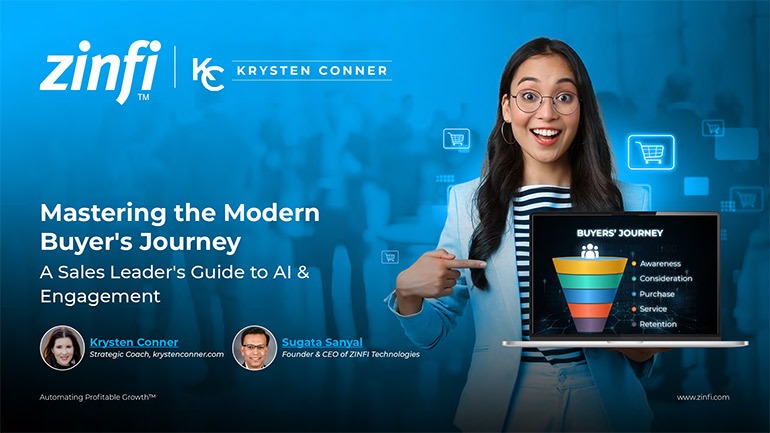
A successful framework often breaks the journey into five distinct phases. These stages are awareness, consideration, purchase, service, and loyalty.
During the awareness stage, the goal is to build brand presence and generate initial interest. An effective channel incentive program should reward partners for top-of-funnel marketing activities.
This can include incentives for creating and sharing approved blog content. You can also reward them for social media engagement using a tool like social syndication management or for hosting introductory webinars.
In the consideration stage, the focus shifts from broad awareness to active evaluation. Partners play a crucial role in nurturing prospects and demonstrating value.
Your rewards program should incentivize activities like qualified lead generation and detailed product demonstrations. You can also reward them for setting up successful proof-of-concept trials for potential customers.
The purchase stage is where traditional incentives have always been concentrated. This remains a critical part of any successful partner rewards program.
Rewarding partners for deal registration and closing sales is essential for driving revenue. However, these transactional rewards should be balanced with incentives for other valuable behaviors.
After the sale is made, the service and implementation stage begins. This phase is critical for customer satisfaction and long-term retention.
A thoughtful channel incentive program will reward partners for achieving implementation milestones. It can also incentivize high customer satisfaction scores or fast resolution of support issues.
Finally, the loyalty and advocacy stage is where long-term value is created. It's far more cost-effective to retain and grow an existing customer than to acquire a new one.
Incentivize partners to drive customer renewals, upsells, and cross-sells. You could also offer rewards for securing positive customer testimonials or detailed case studies.

Partner training and certification are behaviors that add value across the entire lifecycle. A well-trained partner is more effective at marketing, selling, and supporting your products.
Therefore, your program should reward partners for completing training courses and earning certifications. This can be managed effectively through a partner learning management system.
Business planning is another critical behavior that deserves to be incentivized. When partners create and commit to a joint business plan, they are more likely to achieve their goals.
Rewarding the development and successful execution of these plans fosters alignment. It encourages partners to think strategically about how to grow their business with you.
By rewarding this wide range of behaviors, you foster a more well-rounded and capable partner base. This approach moves partners from simply being resellers to becoming true market makers.
A comprehensive partner incentive structure shows that you are invested in their overall success. This deepens the relationship and encourages reciprocal investment from the partner.
This strategy allows you to influence partner behavior in a more nuanced and targeted way. You can guide partners to develop new skills or focus on specific strategic initiatives.
The key is to create a balanced program where various contributions are recognized and valued. This ensures that all partners, regardless of their specific business model, have an opportunity to earn rewards.
When partners see a clear path to profitability through multiple avenues, their engagement soars. A properly designed channel incentive program becomes a powerful engine for mutual growth.
This full-funnel approach transforms your program from a simple sales commission structure. It becomes a strategic tool for building a world-class channel ecosystem.
How Can Data and Analytics Improve Your Channel Incentive Program?
Data and analytics are the bedrock of any modern, high-performing channel incentive program. They allow you to move from intuition-based decisions to a strategy grounded in empirical evidence.
Without robust data, it's impossible to know if your incentives are truly working. Analytics provides the insight needed to measure program ROI and optimize your spend effectively.
A powerful analytics platform, like ZINFI's business intelligence and reports module, provides deep visibility. It helps you track which specific partner behaviors correlate most strongly with desired outcomes like revenue growth.
This enables you to fine-tune your incentive structure with precision. You can double down on rewarding the activities that demonstrably drive the most value for your business.
Furthermore, data allows for sophisticated partner segmentation. You can move beyond simple tiering based on revenue and group partners by their behaviors and capabilities.
This enables you to create more personalized and relevant incentive plans. For example, you can offer specific marketing-related rewards to partners who excel at lead generation.
This level of personalization makes your partner rewards program far more engaging. Partners feel that the program is tailored to their unique strengths and business model.
This contrasts sharply with one-size-fits-all programs that often fail to motivate a diverse partner base. Personalization shows partners you understand and value their specific contributions.
Harnessing performance analytics is crucial for ongoing program management. Dashboards can provide a real-time view of partner engagement and incentive attainment.
This allows channel account managers to have more productive and data-driven conversations with their partners. They can proactively identify opportunities for improvement and guide partners toward profitable activities.

Moreover, predictive analytics can elevate your program to a new level of strategic importance. These tools use historical data and AI to forecast future outcomes.
With predictive analytics, you can identify partners who are at risk of disengaging. You can then intervene with targeted incentives to keep them active and productive.
According to research from Gartner, the B2B buying journey is increasingly complex. Analytics helps you and your partners navigate this complexity by rewarding the touchpoints that matter most.
Data-driven insights can show which combinations of activities lead to the shortest sales cycles. You can then build a channel incentive program that encourages this specific sequence of behaviors.
Tracking the ROI of specific incentives becomes straightforward with the right analytics. You can clearly see if a new SPIF on a particular product is generating the expected lift in sales.
This ability to measure and attribute results is essential for securing executive buy-in. It justifies the incentive budget by demonstrating its direct impact on the bottom line.
Running A/B tests on different incentive structures also becomes possible. You could offer a points-based reward to one partner segment and a cash-based reward to another for the same activity.
Analytics will reveal which structure was more effective at driving the desired behavior. This continuous optimization loop ensures your program remains effective and efficient over time.
In essence, data transforms your partner rewards program from a static set of rules into a dynamic, learning system. It empowers you to make smarter, faster decisions.
A data-first approach ensures your incentive spend is always aligned with your strategic goals. It eliminates waste and maximizes the impact of every dollar you invest in the channel.
What Are the Best Practices for Implementing a Lifecycle-Based Channel Incentive Program?
A successful implementation hinges on a few core principles. Among them, clear communication stands out as perhaps the most important element.
Partners must have a crystal-clear understanding of the program's rules. They need to know exactly what behaviors are rewarded and how they can earn those rewards.
Utilize a centralized portal to serve as the single source of truth for your rewards program. This is where you should publish program guides, track performance, and post regular updates.
A platform with robust content management capabilities is essential for keeping this information organized and accessible. This transparency builds trust and eliminates potential disputes.
Simplicity is another key to driving high levels of partner adoption. A program that is overly complicated or difficult to understand will see low engagement, regardless of its generosity.
Keep the earning and redemption processes as straightforward as possible. Partners are busy running their own businesses and will not invest time in deciphering a complex incentive scheme.
Automation is the engine that makes a modern channel incentive program run smoothly. Manually tracking behaviors, calculating rewards, and processing payments is a recipe for disaster.
Implementing a solution with powerful workflow management automates these processes. This reduces administrative overhead, minimizes errors, and ensures partners are rewarded promptly.
Prompt payment is critical for reinforcing positive behavior. When a partner receives a reward quickly after completing a desired action, they are more likely to repeat it.
Delayed or inaccurate payments can severely damage partner morale and trust. Automation is the best way to guarantee a smooth and reliable payment process.
Offer a diverse mix of reward types to appeal to your varied partner base. While some partners are motivated by direct financial rewards, others may value different forms of support.
Your program could include Market Development Funds (MDF), co-op marketing funds, or volume-based rebates. Combining these with non-financial rewards like training vouchers can be highly effective.
Regularly reviewing and optimizing your program is not optional; it is essential. The market is constantly changing, and a static program will quickly lose its effectiveness.
Use the data and analytics from your platform to monitor performance. Gather direct feedback from partners to understand what truly motivates them and where the program can be improved.
A well-planned launch is critical to getting a new or revised program off the ground. Develop a comprehensive communication plan to announce the changes and explain the benefits to partners.
Ensure your internal team, especially channel account managers, is fully trained on the new program. They are your front-line ambassadors and must be equipped to answer partner questions confidently.
By following these best practices, you can successfully transition to a lifecycle-based incentive model. This strategic shift will pay dividends in the form of a more engaged, capable, and loyal partner ecosystem.
A well-executed channel incentive program becomes a powerful competitive differentiator. It attracts top-tier partners and drives sustainable growth for your entire organization.
Traditional vs. Lifecycle-Based Channel Incentive Programs
| Feature | Traditional Program | Lifecycle-Based Program |
|---|---|---|
| Primary Focus | End-of-funnel transactions (closing deals) | Entire customer lifecycle, from awareness to advocacy |
| Rewarded Activities | Primarily sales and revenue volume | Sales, marketing, training, support, and customer success |
| Partner Engagement | Often transactional and opportunistic | Deeper, more strategic, and long-term partnership |
| Data & Analytics Usage | Basic sales tracking and commission calculation | Sophisticated tracking of all behaviors, ROI analysis |
| Program Complexity | Simple, but limited in strategic value | More comprehensive, but simplified through automation |
| Flexibility | Rigid, one-size-fits-all structure | Highly flexible with personalized, tiered rewards |
| ROI Measurement | Difficult to measure beyond cost of sales | Clear visibility into the impact of each incentive |
Unify Your Partner Management with ZINFI
Implementing a sophisticated, lifecycle-based channel incentive program requires a powerful and flexible platform. ZINFI’s Unified Partner Management (UPM) solution provides all the tools you need in a single, integrated environment.
Our platform empowers you to design, launch, and manage a world-class program that drives real results. Here is how ZINFI can help you transform your partner incentives:
- Automated Incentive Management: Effortlessly manage complex incentive structures, from MDF and co-op funds to rebates and SPIFs, with automated tracking, approval workflows, and payments.
- Comprehensive Performance Tracking: Gain a 360-degree view of partner performance with our advanced business intelligence and reports, allowing you to reward any behavior across the entire customer journey.
- Integrated Learning and Enablement: Directly tie incentives to training and certification milestones using our Partner Learning Management (LMS) module, ensuring your partners are always skilled and knowledgeable.
- Seamless Marketing Support: Incentivize and enable partner marketing efforts with easy access to co-branded assets, email campaigns, and social media syndication, rewarding top-of-funnel activities.
- Flexible Program Configuration: Easily design and modify your incentive programs using our partner programs management tools to create tiers, personalize rewards, and adapt to changing market needs.
- Centralized Partner Communication: Keep partners informed and engaged with a dedicated partner community, ensuring everyone understands the program rules and sees the value in participating.
Frequently Asked Questions
What is a channel incentive program?
A channel incentive program is a structured set of rewards offered by a vendor to its indirect sales partners. These rewards are designed to motivate specific behaviors that align with the vendor's business goals.
Why are non-sales incentives important?
Non-sales incentives are important because they recognize valuable partner activities that occur outside of the final transaction. Rewarding behaviors like training, lead generation, and customer support creates a more balanced and effective partnership.
How do I measure the ROI of my incentive program?
You can measure ROI by using a PRM platform with strong analytics to correlate incentive spending with specific outcomes. This includes tracking increases in lead volume, faster sales cycles, higher customer retention, and overall revenue growth.
What's the difference between MDF and co-op funds?
Market Development Funds (MDF) are typically discretionary funds provided by a vendor for future marketing activities. Co-op funds are usually accrued by partners as a percentage of past sales and can be claimed for approved marketing expenses.
How can I automate my channel incentive program?
You can automate your program by using a Unified Partner Management platform. These systems automate the tracking of rewarded behaviors, calculate earned incentives, manage approval workflows, and process payments, saving significant administrative effort.
What are SPIFs and should I use them?
SPIFs, or Sales Performance Incentive Funds, are short-term, specific incentives often used to boost sales of a new product or clear out inventory. They can be very effective for driving focus but should be used strategically as part of a broader incentive program.
How do you keep partners engaged with the program?
Keep partners engaged with clear communication, a simple user experience, and prompt reward fulfillment. Personalizing incentives and regularly sharing performance data also helps maintain high levels of engagement and motivation.
What is the biggest mistake companies make with incentives?
The biggest mistake is focusing exclusively on rewarding the final sale. This overlooks the entire customer journey and fails to motivate partners to invest in activities that build a long-term, sustainable sales pipeline.
Can I use a points-based system for my program?
Yes, a points-based system can be very effective for a lifecycle-based incentive program. It allows you to assign different point values to a wide variety of behaviors, giving you flexibility in how you reward and motivate partners.
How often should I review my channel incentive program?
You should review your program's performance at least quarterly and conduct a major strategic review annually. This allows you to make data-driven adjustments and ensure the program remains aligned with your business objectives and market conditions.
About the author
Sugata Sanyal
Sugata Sanyal is the Founder & CEO of ZINFI Technologies, a leader in Unified Partner Management. He has been a passionate advocate for the channel and channel partners for decades. His vision for ZINFI is to provide partner ecosystems with the tools they need to succeed.