Human-Centric Approach: The Key to a Successful Industry 4.0 Transformation
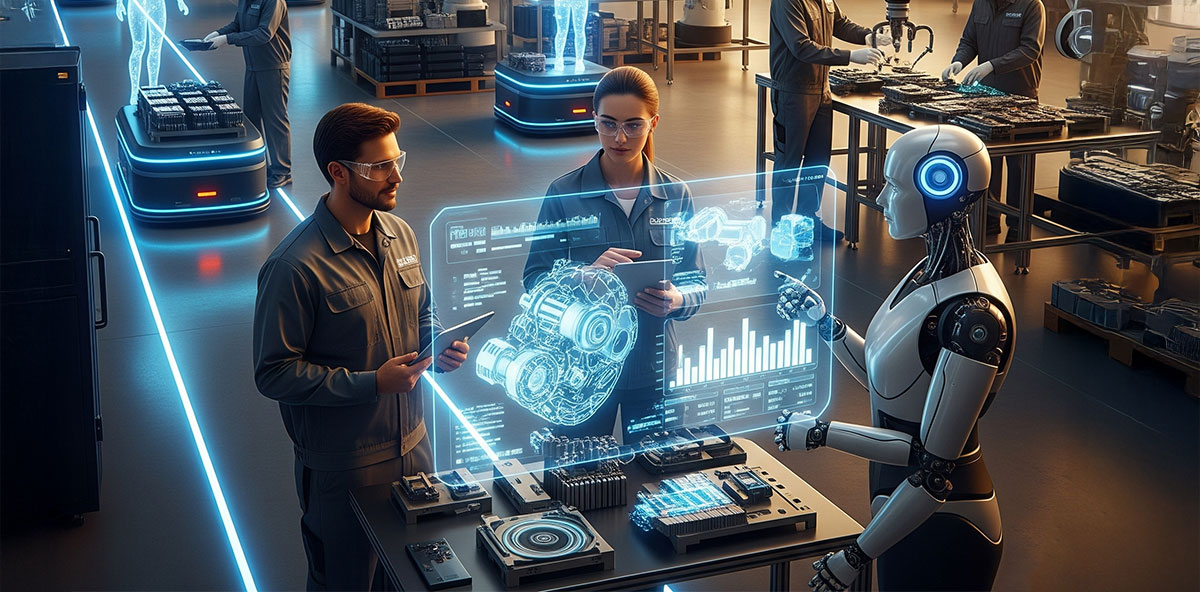
Industry 4.0 transformation succeeds only when organizations place human capital at the center of their digital strategy. Technology provides powerful tools, but people ultimately determine whether connected manufacturing initiatives deliver meaningful business results. A human-centric approach to the fourth industrial revolution builds resilient organizations that adapt and thrive.
The narrative surrounding Industry 4.0 overflows with visions of hyper-connected factories, autonomous robotics, and pervasive artificial intelligence. While these technological marvels catalyze the fourth industrial revolution, overemphasis on them obscures a fundamental truth. The success or failure of any digital transformation is ultimately determined by the people who implement it.
Organizations invest millions in state-of-the-art software and sophisticated data architectures expecting immediate competitive advantages. However, these investments yield disappointing returns without concurrent investment in workforce development and cultural readiness. The most significant hurdles to smart manufacturing adoption are not technological but deeply cultural and organizational.
A people-first strategy is not a secondary consideration but the central pillar supporting every other transformation initiative. Without a prepared, engaged, and empowered workforce, even the most brilliant technology strategy falls short of expectations. This article explores how organizations can build human-centric approaches that unlock the full potential of connected manufacturing.
Key Takeaways
- Industry 4.0 transformation requires placing human capital at the center of every digital initiative strategically.
- Cultural readiness determines success more than technology selection in connected manufacturing environments across industries.
- Executive leadership must champion transformation vision consistently to build organizational momentum and overcome natural resistance.
- Frontline workers transition from manual operators to sophisticated process managers in smart factory environments effectively.
- Continuous upskilling in data literacy and human-machine collaboration creates lasting competitive advantages for manufacturers.
- Cross-functional collaboration breaks down organizational silos that traditionally stifle innovation and operational improvement efforts.
- ZINFI's partner management platform helps channel organizations systematize digital transformation through structured collaboration and automation.
Why Does Industry 4.0 Demand a Human-Centric Transformation Strategy?
The fourth industrial revolution introduces technologies that fundamentally reshape how manufacturing organizations create and deliver value globally. Automation, artificial intelligence, and connected sensors generate unprecedented volumes of operational data from every production process. However, technology alone cannot interpret this data or translate insights into meaningful business improvements without skilled people.
Organizations that focus exclusively on deploying technology without addressing workforce readiness consistently underperform their competitors. Studies show that cultural barriers cause more digital transformation failures than technical challenges across every manufacturing sector. Employees who feel threatened by automation resist change rather than embracing the opportunities that connected manufacturing creates.
A human-centric approach to Industry 4.0 recognizes that organizational mindset cannot be purchased or installed like software systems. Building a culture of innovation requires sustained leadership commitment, transparent communication, and genuine investment in workforce development. Companies that master this cultural dimension achieve the step-change in performance that the fourth industrial revolution promises.
The journey toward smart manufacturing begins with a deep commitment to fostering continuous learning and human-centric change. Every digital initiative must connect to clear business outcomes that employees understand and support enthusiastically. When people see how transformation improves their work and creates growth opportunities, resistance gives way to engagement.
How Is the Smart Factory Reshaping the Role of Frontline Workers?
The connected factory environment fundamentally elevates the role of frontline workers from manual task executors to knowledge workers. Traditional images of manufacturing employees performing repetitive physical tasks are rapidly becoming relics of past eras. In Industry 4.0 environments, employees oversee and optimize complex data-driven systems that continuously improve production outcomes.
This monumental shift requires an expanded skill set that combines technical competence with analytical thinking capabilities. Workers must become adept at interpreting dashboard data, collaborating with engineers, and identifying process enhancement opportunities proactively. Their value now lies in critical thinking and problem-solving within technology-rich environments rather than manual dexterity.
Continuous learning and upskilling become non-negotiable requirements for both the workforce and the employing organization equally. The concept of mastering a single skill that lasts an entire career has become obsolete in connected manufacturing. Employees must constantly develop new competencies in data literacy, digital tools, and human-machine collaboration techniques.
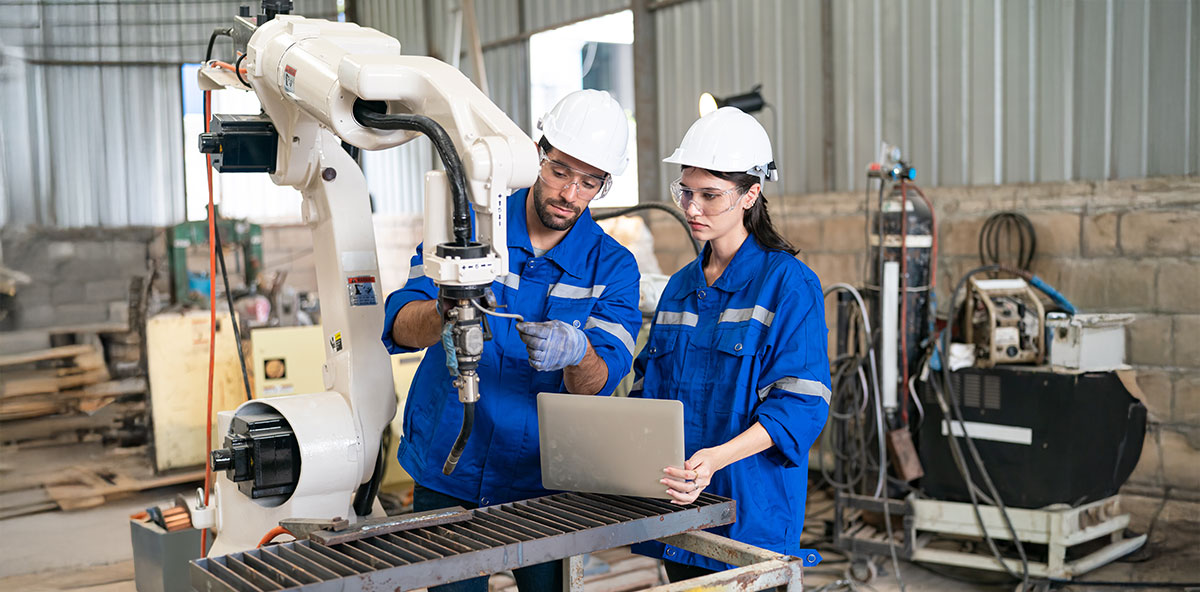
Organizations bear responsibility for facilitating accessible and relevant training that integrates into daily work routines seamlessly. Companies investing strategically in workforce development create significant competitive advantages through more agile and capable teams. This investment in human capital proves as critical as any investment in machinery or advanced software systems.
What Leadership Mandate Drives Successful Cultural Change in Manufacturing?
Successful Industry 4.0 transformation requires visible, vocal, and unwavering support from the executive leadership team consistently. This commitment extends far beyond simply approving technology budgets or delegating initiatives to information technology departments. Leaders must become chief evangelists who consistently communicate the strategic vision behind every transformation initiative.
Executives must frame the fourth industrial revolution not as a threat to job security but as a growth opportunity. This requires transparency and empathy that builds organizational trust and alleviates natural fears accompanying significant change. When employees see leaders actively engaged in the transformation process, it sends powerful messages about collective commitment.
Furthermore, leaders must challenge long-standing organizational orthodoxies and dismantle the silos that stifle cross-functional collaboration. Traditional manufacturing companies often operate departments as independent units with separate goals, metrics, and budget priorities. Smart manufacturing demands integrated teams where engineering, operations, and supply chain collaborate toward shared objectives.
Creating a culture of psychological safety empowers employees to experiment, take calculated risks, and learn from failures. Innovation cannot thrive in environments where fear of punishment suppresses new ideas and creative problem-solving attempts. Leadership must cultivate cultures where experimentation is welcomed and learning from setbacks drives continuous organizational improvement.
How Does Continuous Upskilling Accelerate Connected Manufacturing Adoption?
Strategic workforce development programs accelerate the adoption of connected manufacturing by building organizational capability from within. Formal training in data interpretation, digital tool usage, and collaborative problem-solving creates a workforce ready for transformation. Organizations that treat upskilling as an ongoing process rather than a one-time event maintain competitive relevance consistently.
Effective training programs integrate learning directly into daily work routines rather than relying solely on classroom-style instruction. Mentorship pairing experienced workers with digital-native employees creates knowledge transfer that strengthens the entire workforce simultaneously. Certification pathways give employees clear development trajectories that maintain motivation and demonstrate organizational investment in their growth.
Data literacy represents the foundational skill that every manufacturing worker needs in an Industry 4.0 environment today. Workers who can read dashboards, interpret trend data, and communicate insights to engineering teams drive continuous improvement effectively. This analytical capability transforms frontline employees from passive task executors into active contributors to operational excellence.
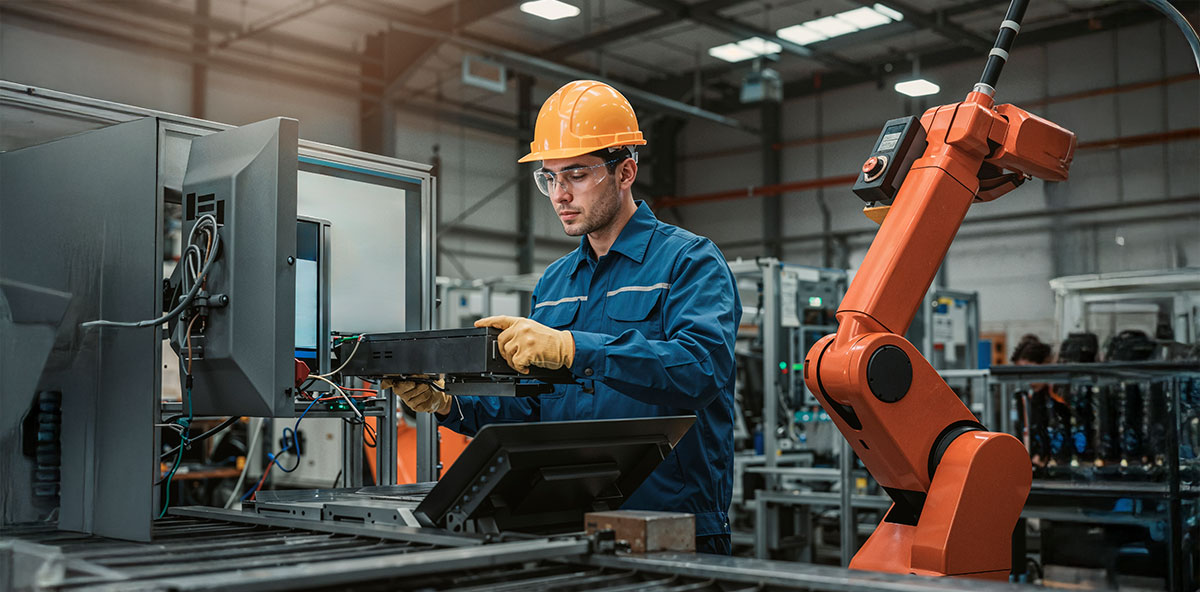
Organizations that invest in comprehensive upskilling programs report higher employee retention rates and stronger innovation cultures. Skilled workers who feel valued and developmentally supported become advocates for transformation rather than sources of resistance. This workforce engagement creates a self-reinforcing cycle that accelerates the pace of digital adoption across the organization.
Why Do Organizations That Ignore Culture Fail at Digital Transformation?
Companies focusing solely on technological aspects of digital transformation take a short-sighted approach that limits potential returns. They may achieve incremental efficiency improvements but fail to realize the step-change in competitiveness that Industry 4.0 promises. Without cultural alignment, even the most advanced technology implementations produce disappointing business outcomes consistently.
Organizational silos represent one of the most destructive cultural barriers to successful connected manufacturing implementation today. When departments operate independently with conflicting goals and metrics, integrated digital initiatives cannot achieve their full potential. Breaking down these barriers requires deliberate leadership intervention and redesigned incentive structures that reward collaboration.
Resistance to change intensifies when employees perceive transformation as a threat rather than an opportunity for professional growth. Organizations must invest in transparent communication that addresses workforce concerns honestly and provides clear pathways for adaptation. Change management programs that acknowledge emotional responses while providing practical support achieve significantly higher adoption rates.
The true winners in the era of smart manufacturing recognize that collective intelligence surpasses any machine or algorithm. By placing the human element at the center of their transformation strategy, these organizations build enduring competitive advantages. Resilient, innovative enterprises emerge when cultural readiness and technological capability advance together in coordinated alignment.
How Is ZINFI Helping Channel Organizations Navigate Industry 4.0 Through Systematic Partner Management?
ZINFI provides a comprehensive partner relationship management platform designed to help organizations systematize their channel transformation operations. The platform embodies the human-centric philosophy by creating structured workflows that empower partner networks to collaborate effectively. ZINFI's approach transforms fragmented channel management into a cohesive, data-driven growth strategy for modern enterprises.
- Automated Partner Onboarding. ZINFI accelerates partner activation with guided workflows that reduce setup time and improve initial engagement rates.
- Systematized Co-Marketing. The platform enables joint campaign execution with customizable templates and automated distribution across channel networks efficiently.
- Lead Attribution and Tracking. ZINFI provides transparent pipeline visibility so partners and vendors track referral performance accurately together.
- Performance Analytics Dashboard. Real-time metrics and benchmarking tools help organizations identify top-performing partners and optimize program design.
- Training and Certification. Built-in learning management capabilities ensure channel partners maintain current product knowledge and sales readiness consistently.
- Incentive Program Management. ZINFI automates reward calculations and distributions, keeping partners motivated through transparent recognition of their contributions.
| Capability | Traditional Manufacturing Approach | Human-Centric Smart Manufacturing Approach |
|---|---|---|
| Workforce Role | Manual task execution with repetitive physical labor | Knowledge workers overseeing data-driven systems and processes |
| Training Philosophy | One-time onboarding with infrequent skill updates | Continuous upskilling integrated into daily work routines |
| Leadership Engagement | Technology decisions delegated to IT departments alone | Executive team champions vision and drives cultural change |
| Organizational Structure | Departmental silos with independent goals and metrics | Cross-functional teams collaborating toward shared business objectives |
| Change Management | Top-down mandates with minimal employee communication | Transparent dialogue addressing concerns with clear growth pathways |
| Innovation Culture | Fear of failure suppresses experimentation and creativity | Psychological safety encourages calculated risks and learning from setbacks |
| Competitive Advantage | Incremental efficiency gains from technology deployment alone | Step-change performance through aligned culture and technology investment |
Frequently Asked Questions
What is the biggest barrier to successful digital transformation in manufacturing?
Cultural resistance and organizational mindset represent the biggest barriers, surpassing technical challenges across every manufacturing sector. Employees who feel threatened by automation resist change rather than embracing the growth opportunities that transformation creates.
Why must executive leadership actively champion connected manufacturing initiatives?
Leadership commitment provides the organizational momentum and resource allocation necessary to overcome resistance to significant change. When employees see executives actively engaged in transformation, it builds trust and signals collective organizational commitment.
How does the frontline worker role change in smart factory environments?
Frontline workers transition from manual task executors to knowledge workers who oversee complex data-driven production systems. Their value shifts to critical thinking, data interpretation, and collaborative problem-solving within technology-rich environments.
What skills do manufacturing employees need to thrive in connected environments?
Essential skills include data literacy, digital tool proficiency, human-machine collaboration, and analytical problem-solving capabilities. Continuous learning in these areas ensures employees remain effective as technology evolves rapidly across manufacturing sectors.
How do organizational silos undermine digital transformation efforts in manufacturing?
Silos create conflicting departmental goals, metrics, and priorities that prevent integrated digital initiatives from achieving full potential. Breaking down these barriers requires leadership intervention and redesigned incentive structures that reward cross-functional collaboration.
Why is psychological safety important for manufacturing innovation?
Psychological safety empowers employees to experiment, take calculated risks, and learn from failures without fearing punishment. Innovation cannot flourish in fear-based environments where new ideas and creative problem-solving attempts are suppressed.
What distinguishes organizations that succeed at digital transformation from those that fail?
Successful organizations align cultural readiness with technology deployment, treating workforce development as a strategic investment priority. Failed transformations typically focus exclusively on technology while neglecting the cultural and human dimensions entirely.
How should organizations design effective upskilling programs for connected manufacturing?
Effective programs integrate learning into daily work routines, combine mentorship with formal training, and provide certification pathways. This approach maintains motivation while ensuring employees develop competencies that match evolving technological requirements continuously.
What role does transparent communication play during manufacturing transformation initiatives?
Transparent communication addresses workforce concerns honestly, provides clear adaptation pathways, and builds organizational trust during change. Organizations that communicate openly achieve significantly higher adoption rates and stronger employee engagement throughout transformation.
How does investing in human capital compare to investing in technology for manufacturing competitiveness?
Investment in human capital proves equally critical because skilled workers unlock the true potential of advanced technology. Organizations that balance both investments build enduring competitive advantages through resilient, innovative, and adaptive workforce cultures.
About the author
Sugata Sanyal
Sugata Sanyal is the founder and CEO of ZINFI Technologies, a leading provider of unified channel management solutions. With decades of experience in enterprise technology and channel strategy, he has pioneered innovative approaches to partner relationship management that help organizations worldwide navigate digital transformation and build human-centric growth frameworks.