Modern Partner Relationship Management: Your Ultimate Digital Guide to Scaling Global Sales
The Basics of Partner Relationship Management
Building a great product is hard, but selling it to everyone is even harder. Most growing companies eventually need partner relationship management to help reach more new customers.
This strategy uses outside vendors and resellers to sell your goods to the public. It lets you grow very fast without hiring hundreds of your own new employees.
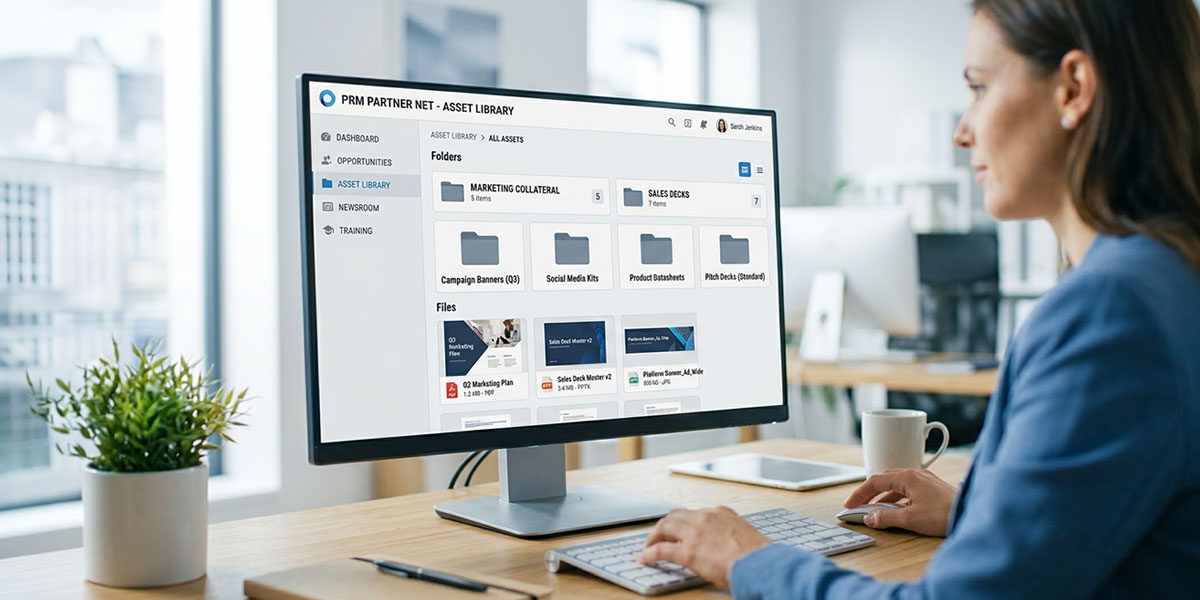
Managing people who do not work for you is a very big logistical challenge. You need a digital clubhouse where partners can log in and find sales tools.
A PRM platform keeps all your important brochures and lead lists in one place. This system stops partners from having to email your staff for every little thing.
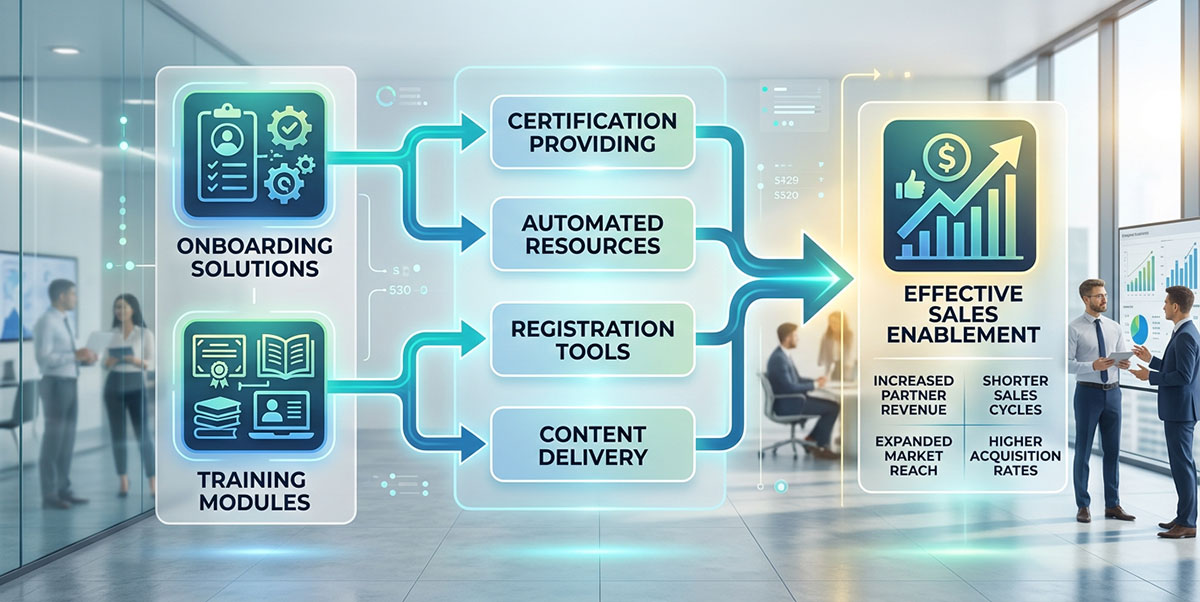
Simply giving a partner a login is not enough to make them sell well. You must provide the right training and product knowledge to help them close deals.
This process, called channel sales enablement, helps your outside teams succeed. Modern businesses now use specialized tools instead of basic spreadsheets for this.
Navigating this evolving software landscape requires identifying which specific platforms actively empower external sellers. You must find a system that makes it very easy for partners to succeed.
Key Takeaways
TL;DR
- Partner relationship management helps companies sell products through various external business partners.
- Using automated tools stops "growth traps" like messy spreadsheets and slow partner training.
- Top software like ZINFI UPM helps teams share marketing files and track sales.
- Great support and high user satisfaction scores are better than just a big brand.
Avoiding the Manual Growth Trap
Using a simple spreadsheet to track a few sellers might feel fine at first. However, manual documents pose a significant risk as your partner network grows.
Relying on old emails and static files creates a bottleneck that stalls your progress. You will face four big roadblocks if you do not use automation software.
First, partners waste time hunting for the right prices in long email chains. Second, your internal and external teams might try to sell to one customer.
Third, leaders cannot see which partners are working hard and which are doing nothing. Fourth, it takes new partners too long to learn to sell.
A good system automates busywork, allowing your indirect sales force to be more productive. Real user ratings show which platforms are best at solving these hard daily challenges.
Evaluating the Top PRM Contenders
Moving away from spreadsheets requires a system that can handle all the heavy lifting. When you look at software reviews, you will see two very important metrics.
Review volume shows if a tool is stable and trusted by many other businesses. The Market Presence Score shows how big and famous the software company is today.
A modern platform like ZINFI UPM has very high user satisfaction scores. Salesforce has a huge market size but lower satisfaction than some smaller specialist tools.
The G2 Score combines market footprint with the daily happiness of the actual users. Specialized tools often work better because they focus on the partner's needs.
G2 Spring 2026 Grid Metrics Comparison
| Company | # of Reviews | Satisfaction | Market Presence | G2 Score |
| Salesforce Partner Cloud | 260 | 77 | 99 | 88 |
| impact.com | 460 | 94 | 72 | 83 |
| ZINFI UPM | 561 | 89 | 52 | 71 |
| PartnerStack | 465 | 86 | 55 | 71 |
| Impartner PRM | 524 | 60 | 54 | 57 |
Detailed User Satisfaction Metrics
| Company | Likelihood to Recommend | Meets Requirements | Ease of Admin | Ease of Use | NPS |
| Salesforce | 88% | 90% | 89% | 87% | 55 |
| impact.com | 91% | 90% | 89% | 86% | 68 |
| ZINFI UPM | 97% | 96% | 95% | 96% | 94 |
| PartnerStack | 93% | 92% | 92% | 93% | 80 |
| Impartner | 89% | 87% | 84% | 85% | 65 |
Source: Grid Report for Partner Relationship Management (PRM) | Spring 2026
Why User Experience and Support Matter
Picking software based only on a big brand name is a very risky strategy. Partners want to use the portal to quickly grow their sales.
The "Ease of Doing Business" metric shows how easy it is to work together. If a tool is hard to manage, your partners will feel very frustrated.
Good usability makes the difference between a tool people use and one they ignore. Some tools have too many features that stay buried in very confusing menus.
ZINFI UPM ranks high because it is very easy for people to use every day. It has an amazing Net Promoter Score of 94 from its many active users.
This high score means the tool truly helps people sell and grow their revenue. You need a system that external teams will embrace rather than try to avoid.
Why ZINFI UPM Leads for Success
ZINFI UPM consistently bridges the gap between powerful features and daily ease of use. Its high scores lead more partners to use the system to sell products.
The secret behind this loyalty is how the software organizes all of your tools. It creates a unified system rather than forcing partners to use multiple portals.
Everything an outside seller needs lives in a single, very easy-to-use dashboard. Partners save time because they do not have to hunt for their resources.
The human side of a software vendor is also very important for success. ZINFI earned a score of 96 for the quality of its support team.
Rapid support stops a partner from getting frustrated when they try to close deals. Technical help ensures that your indirect revenue does not slow down for reasons.
Using Salesforce for Deep Integration
Some companies are already deeply involved in very large, complex data systems. These businesses often use Salesforce Partner Cloud to keep all their data connected.
Adding a disconnected platform often creates silos where data is very hard to find. Salesforce has a huge market presence score of 99 in this category.
Keeping internal and external teams in one system creates a single ecosystem. Critical lead data flows instantly into your main database without any manual entry.
This flow ensures that everyone is looking at the same numbers. However, this deep integration often requires a specialized administrator to set it up.
Large companies must decide if the high cost is worth the extra work. Not every company needs a massive structural footprint to find success with partners.
Scaling SaaS with Specialized Tools
Expanding your network often involves working with influencers and many different online affiliates. Managing these groups can overwhelm a small team that uses many tools.
Impact.com provides a single dashboard that helps you easily manage all these different groups. You can train a YouTube creator and a consultant in the same portal.
Companies that sell monthly software subscriptions might need a more specialized tool instead. PartnerStack is built for the B2B SaaS industry to handle recurring sales math.
The platform uses automated commissions, so your finance team does not work manually. Payouts are calculated and delivered accurately, whether the sale is new or old.
Reliable payments are the best way to keep your external teams very motivated. Your choice depends on your product model and your growth goals.
Managing Global Enterprise Needs
Simple tracking tools break down when a partner network stretches across many continents. Global complexity requires a partner relationship management system with robust infrastructure.
Large organizations have relied on established platforms to handle these very complex channels. Impartner PRM is a good example of this type of enterprise software.
It offers advanced tools for deal registration and localized partner training. There is often a trade-off between having many features and being easy.
Legacy platforms can be hard to learn for everyday partners who use them. This tension is seen in recent data, where satisfaction scores are quite low.
Growing businesses must balance technical power with ease of use. This balance relies on a core set of features that drive revenue growth.
Features for a Revenue Engine
A PRM should not just be a digital filing cabinet for your old documents. It must help your external teams sell much faster and much smarter.
First, LMS integration lets you create step-by-step training paths for every partner. This ensures every reseller knows your brand and your products very well.
Second, automated deal registration protects a partner's right to a new lead. This stops internal teams from taking credit for a partner's hard work.
Third, a digital asset library lets partners add their own logos to brochures. This is called co-branding, and it helps you market your products faster.
Fourth, automated incentives automatically calculate commissions, so partners always know what they’ve earned. Finally, collaboration tools let you provide partners with real-time support while selling.
When these five things work together, they stop the friction that slows sales. These technical features must align with the maturity of your organization today.
Understanding Partner Motivation Factors
Motivation is the hidden fuel that keeps a global sales channel moving forward. If partners do not feel valued, they will prioritize other products over yours.
Strong partner relationship management ensures that your sellers stay excited about your brand. You must provide clear rewards for those who bring in new business.
Financial incentives are important, but easy access to information is also a factor. Partners hate wasting hours searching for a basic price list or technical document.
A streamlined portal removes these small daily annoyances that cause long-term partner frustration. This leads to a more loyal network that stays with you for years.

Building trust requires a commitment to being transparent with your data and leads. Your system must show every partner exactly where they stand in the program.
Reducing Friction in the Sales Cycle
Friction is any problem that slows down a sale or blocks a deal. In a channel network, friction often comes from poor communication or old data.
Effective partner relationship management solves these problems by providing real-time data to everyone. Sellers can see if a lead is already being handled by someone else.
This visibility prevents embarrassing situations where two people call the same potential customer. It also helps your internal team support the external partner during the sale.
Automated workflows ensure that approvals for big discounts happen in minutes, not days. Speed is a competitive advantage that helps your partners beat the local competition.
Eliminating these delays makes your company the easiest one for partners to represent. Ease of use is often more valuable than the highest commission percentage offered.
The Importance of Localized Content
Selling products in different countries requires a deep understanding of local market needs. Global brands must provide marketing materials that speak the buyer's language.
Robust partner relationship management software allows you to host content in multiple languages. You can offer brochures that are tailored to specific regions and cultural norms.
This level of detail helps your local partners feel like true brand experts. It shows that you are invested in their specific market and their success.
Localized training also ensures that partners understand the unique laws of their region. Compliance is a major factor when selling complex software or regulated medical goods.
Your platform serves as a central hub that seamlessly manages these global variations. This organization prevents your corporate message from being lost in a bad translation.
Choosing Based on Your Maturity
Every successful channel program starts small and uses simple emails to track resellers. This manual approach works at first, but creates a bottleneck during growth.
The breaking point happens when you spend too much time resolving territorial disputes. Friction signals that it is time to adopt a dedicated software system.
Your choice of a PRM platform must align with your specific growth stage. Mid-sized businesses should prioritize tools that focus on very fast partner onboarding.
Mature enterprises need a complex architecture that supports multiple global commission structures. Software investments always carry financial risk for any growing company.
Savvy organizations monitor user loyalty metrics, such as the Net Promoter Score, to ensure safety. Selecting a tool with a high NPS ensures you have reliable support.
Strategic Benefits of Automation
Investing in partner relationship management provides a high return for your growing sales team. You can replace manual tasks with smart workflows that run by themselves daily.
Digital tools allow your team to focus on building better relationships with partners. You no longer have to spend hours checking for errors in static spreadsheets.
The right system scales with your business as you add more selling partners. It creates a professional image for your brand in the eyes of resellers.
Resellers prefer working with companies that offer modern, fast digital sales tools. This preference helps you recruit the best-selling partners in your specific industry.
High-quality software is the foundation for a strong, profitable sales channel. You must commit to this technology to reach your full growth potential.
The Future of AI and Analytics
The greatest benefits of channel automation will soon come from the use of artificial intelligence. Previously, companies only knew a partner quit after they stopped making sales.
Today, predictive analytics can identify when a partner is likely to stop selling. AI flags at-risk partners based on how often they log in.
This early warning system lets your team reach out and help the partner. Intelligent systems also help external reps sell more effectively to a wide range of buyers.
Imagine a partner pitching a product to a very complex and large hospital. AI can automatically find the exact case studies and brochures they need.
This delivery creates a unified ecosystem that acts like an active sales assistant. Forward-looking tools ensure you stay ahead of the curve in channel management.
Modernizing Your Strategy for Growth
The world of commerce is changing faster than most businesses can actually handle. Companies that rely on old methods will find it hard to attract partners.
Advanced partner relationship management is no longer a luxury for the very largest firms. Small and medium businesses now need these tools to stay relevant and competitive.
A digital-first approach allows you to compete with much larger global sales forces. You can manage a massive network with only a few dedicated internal employees.
This efficiency is the key to maintaining a high profit margin while growing. Investing in your partners is an investment in your company's future.
The best time to start building your channel infrastructure was three years ago. The second-best time to start your digital transformation is right now, today.
Measuring Your Success and ROI
You must track the right numbers to prove that your software investment works. Counting logins alone does not tell the full sales story.
A successful partner relationship management strategy tracks the percentage of revenue from partners. You should also measure how long it takes a new partner to sell.
If training takes six months, your enablement process is likely far too slow. The best platforms help you reduce this time to just a few weeks.
Tracking deal registration accuracy helps you understand if partners feel safe sharing leads. High accuracy means your partners trust the system and your internal sales team.
Consistent reporting allows you to adjust your strategy based on real market data. You can see which regions are thriving and which need more marketing help.
Optimizing the Partner Journey
The partner journey starts the moment a reseller first hears about your brand. Excellent partner relationship management ensures this first impression is very positive.
You should make the signup process as fast and as simple as possible. Complicated forms will scare away busy partners who want to start selling fast.
Once they join, your system should automatically guide them through their first sale. This guidance builds confidence and shows that you are a supportive business partner.
Continual feedback from your partners will help you improve your digital sales clubhouse. Happy partners are much more likely to recommend your products to their customers.
Listening to your network is the best way to improve your software tools. This partnership leads to a cycle of constant growth and very high profits.
A 3-Step Roadmap for Success
Managing external sellers does not need to be a guessing game with spreadsheets. Data shows which platforms support channel enablement and help you make money.
You can justify your budget by pointing to high-satisfaction leaders like ZINFI UPM. Modernize your partner portal with a simple, effective three-step plan.
First, ask your best partners what training or files they cannot find today. Second, use data to shortlist vendors with high ease scores.
Third, test the chosen platform with a small group before the global rollout. Empowering your channel is a strategic investment that makes your business much stronger.
Applying this approach stops data friction and helps you transform your sales force. Start building your own digital clubhouse today to drive more measurable growth.
Frequently Asked Questions
What is a PRM platform, and how does it help my business?
A partner relationship management platform is a secure digital clubhouse for your external sellers. It helps you manage resellers and affiliates by centralizing all of your sales tools.
Why are spreadsheets a bad choice for managing my sales partners?
Manual document creation creates a growth trap where information gets lost in long email threads. They cause a lot of conflict and make it very hard to see your overall progress.
What is the difference between a CRM and a PRM system?
A CRM tracks your internal sales team while a PRM manages your outside partners. Both systems must work together to give you a single source of sales truth.
How does channel sales enablement help my partners sell much more?
This process provides third-party sellers with the exact training and automated support they need. It moves beyond simple record-keeping to turn independent businesses into motivated extensions of you.
What are the most important features to look for in software?
You should look for LMS integration, deal registration, and automated incentive tools. These essential features turn a basic portal into a very powerful revenue engine.
How do I choose the right platform for my company’s size?
A mid-sized business should prioritize tools that prioritize very fast, automated onboarding. Large enterprises need a complex architecture that supports multiple global commission structures.
What is the best software for a B2B SaaS company?
PartnerStack is engineered specifically to handle the complex math of recurring revenue. It ensures that all monthly subscription payments are calculated and delivered with high accuracy.
Why does ZINFI UPM have such high user satisfaction scores?
ZINFI UPM ranks highly because it combines powerful features with an easy-to-use dashboard. It also has a top-rated support team that helps partners solve problems quickly.
How is artificial intelligence changing the way we manage sales channels?
AI uses predictive analytics to identify if a partner is likely to stop selling. It can also automatically recommend the best brochures for a partner to use.
How does partner relationship management improve my long-term global sales and brand reach?
Comprehensive partner relationship management allows you to scale your business across many new regions. It provides a consistent brand experience for customers regardless of who sells the product.
About the author
Sugata Sanyal
Sugata Sanyal is the Founder & CEO of ZINFI Technologies, a leader in Unified Partner Management. He has been a passionate advocate for the channel and channel partners for decades. His vision for ZINFI is to provide partner ecosystems with the tools they need to succeed.