
Best Practices for Effective Partner Relationship Management
Effective partner relationship management requires building strong, transparent, and mutually beneficial connections. It combines clear communication, robust technology, and consistent partner support to drive channel success. Winning with partners means investing in their growth and aligning your goals for shared prosperity.
Key Takeaways
TL;DR
- Effective partner relationship management is built on a foundation of trust and clear communication.
- Technology like a PRM platform is essential for scaling and managing partner ecosystems efficiently.
- Well-structured partner programs with clear incentives drive motivation and higher engagement.
- Consistent partner enablement through training and resources directly impacts sales performance.
- Measuring success with data and analytics helps optimize your partner relationship management strategy.
- Choosing the right partners is the first critical step toward a successful channel program.
- Automating routine tasks frees up time for strategic relationship-building activities.
How Does Clear Communication Impact Partner Relationship Management?
Clear communication is the cornerstone of successful partner relationship management. It establishes trust and ensures everyone is working towards the same objectives. Without it, misunderstandings can arise, leading to friction and poor performance.
You must define clear expectations from the very beginning of the partnership. This includes roles, responsibilities, sales territories, and rules of engagement. A formal partner contract can solidify these terms, preventing future disputes.
Regularly scheduled meetings are vital for maintaining an open dialogue. These check-ins provide a forum to discuss progress, address challenges, and plan future activities. They show partners that you are invested in their success and value their input.
Establishing a consistent feedback loop is equally important for managing partner relationships. Encourage partners to share their thoughts on your products, programs, and support. This valuable insight can help you refine your channel strategy for better results.
A centralized communication portal streamlines information sharing and collaboration. It ensures all partners have access to the latest updates, documents, and contacts. Using a solution like ZINFI's Centralized Interconnect prevents information from getting lost in emails.
Transparency builds a strong foundation for any long-term business relationship. Be open about your company's direction, program changes, and even your challenges. This honesty fosters loyalty and strengthens the overall partnership bond.
Poor communication is a leading cause of channel conflict and partner churn. Investing time and resources into a solid communication strategy is non-negotiable. Strong partner relationship management depends heavily on this foundational element.
What Role Does Technology Play in Modern Partner Relationship Management?
Technology is a critical enabler of modern partner relationship management. It provides the tools necessary to automate, scale, and optimize channel operations. Manual processes are inefficient and prone to errors in a growing partner ecosystem.
Partner Relationship Management (PRM) software is the central hub for your entire channel. It consolidates all partner-related activities into a single, cohesive platform. This makes managing partner relationships simpler and far more effective for your team.

A PRM platform automates many of the tedious tasks associated with channel management. This includes partner onboarding, training, lead distribution, and incentive payments. Automation frees your channel managers to focus on strategic relationship building.
Data and analytics are powerful components of a technology-driven strategy. PRM systems collect vast amounts of data on partner performance and engagement. This data helps you make informed decisions to improve your channel program.
With tools for business intelligence and reports, you can track key performance indicators (KPIs). These metrics might include deal registrations, sales pipeline, and marketing campaign effectiveness. This visibility is crucial for effective partner relationship management.
According to a study by Gartner, the B2B buying journey has become increasingly complex. Technology helps partners navigate this complexity by providing them with the right information. This empowers them to better serve end customers with tailored solutions.
A unified platform for partner management ensures a consistent experience for all your partners. It centralizes everything from marketing assets to sales tools and support requests. This consistency strengthens brand identity and improves partner satisfaction significantly.
Ultimately, technology serves to enhance human connections, not replace them. The right tech stack empowers your team to deliver better support to partners. This leads to a more engaged, loyal, and profitable partner network.
How Can You Structure Programs for Better Partner Relationship Management?
A well-structured partner program is essential for effective partner relationship management. It provides a clear framework for how you and your partners will work together. The structure should incentivize performance and encourage long-term loyalty.
Many companies use a tiered program structure to segment their partners. Tiers are often based on performance metrics like revenue, certifications, or customer satisfaction. Higher tiers receive greater benefits, motivating partners to invest more in the relationship.
Incentives are a core component of any partner program. These can include market development funds (MDF), rebates, and sales commissions. A comprehensive MDF program helps partners fund local marketing efforts.

Your program rules must be simple, clear, and consistently enforced. Complex rules create confusion and frustration, undermining your partner relationship management efforts. Use a partner programs management module to keep everything organized.
Partner business planning is a powerful tool for aligning goals. Work with key partners to create a joint business plan each year. This process ensures that both parties are committed to achieving shared objectives.
The program should be flexible enough to adapt to changing market conditions. Stagnant programs quickly become irrelevant, leading to partner disengagement. Regularly review and update your program based on partner feedback and performance data.
Onboarding new partners efficiently is a critical part of program management. A streamlined onboarding process helps new partners become productive more quickly. This sets a positive tone for the relationship from the very beginning.
Recognizing and rewarding top-performing partners is vital for morale. Public recognition, awards, and exclusive events can be highly motivating. This shows all partners that you value their contributions and commitment to your brand.
Effective partner relationship management means treating partners as true extensions of your team. This requires a program that is fair, rewarding, and easy to navigate. Such a structure encourages partners to invest their time and resources confidently.
Why is Consistent Partner Enablement Crucial for Partner Relationship Management?
Partner enablement is the process of equipping partners with the necessary skills and resources. It is crucial because well-enabled partners sell more effectively and independently. This directly contributes to the success of your entire channel ecosystem.
Comprehensive training is the foundation of any strong enablement program. This includes training on your products, sales methodologies, and company values. A learning management system (LMS) can deliver this training on-demand.
Partners need easy access to a rich library of sales and marketing content. This includes presentations, datasheets, case studies, and competitive battle cards. A centralized content library ensures they always have the latest materials.
Co-branded marketing assets allow partners to promote your solutions under their own brand. This helps them build their local presence while maintaining brand consistency for you. Offering co-branded asset management is a key part of modern partner marketing.
Ongoing support is just as important as initial training. Partners will have questions about products, pricing, and deal configurations. Providing timely and accurate support shows that you are a reliable vendor.
Enablement is not a one-time event; it is a continuous process. As your products and market evolve, you must update your training and resources. This commitment is a hallmark of strong partner relationship management.
A great enablement program improves the partner experience and increases their self-sufficiency. This reduces the support burden on your internal team. It allows your channel managers to focus on high-value strategic initiatives.
Effective partner relationship management involves seeing things from the partner's perspective. They need tools and knowledge to be successful in their own business. Providing excellent enablement is one of the best ways to support them.
How Do You Measure Success in Partner Relationship Management?
Measuring success is critical for optimizing your partner relationship management strategy. It allows you to identify what works and what needs improvement. Without measurement, you are simply managing your channel based on assumptions.
Key performance indicators (KPIs) provide a quantitative way to track success. Common channel KPIs include channel-sourced revenue, number of deal registrations, and pipeline value. These financial metrics are often the primary focus for executives.
However, financial metrics only tell part of the story. You should also track partner engagement metrics to gauge the health of your relationships. These can include training completions, marketing campaign participation, and portal logins.
Partner satisfaction is another crucial metric for partner relationship management. You can measure this through regular surveys, feedback sessions, and one-on-one conversations. High satisfaction is a leading indicator of long-term loyalty and performance.
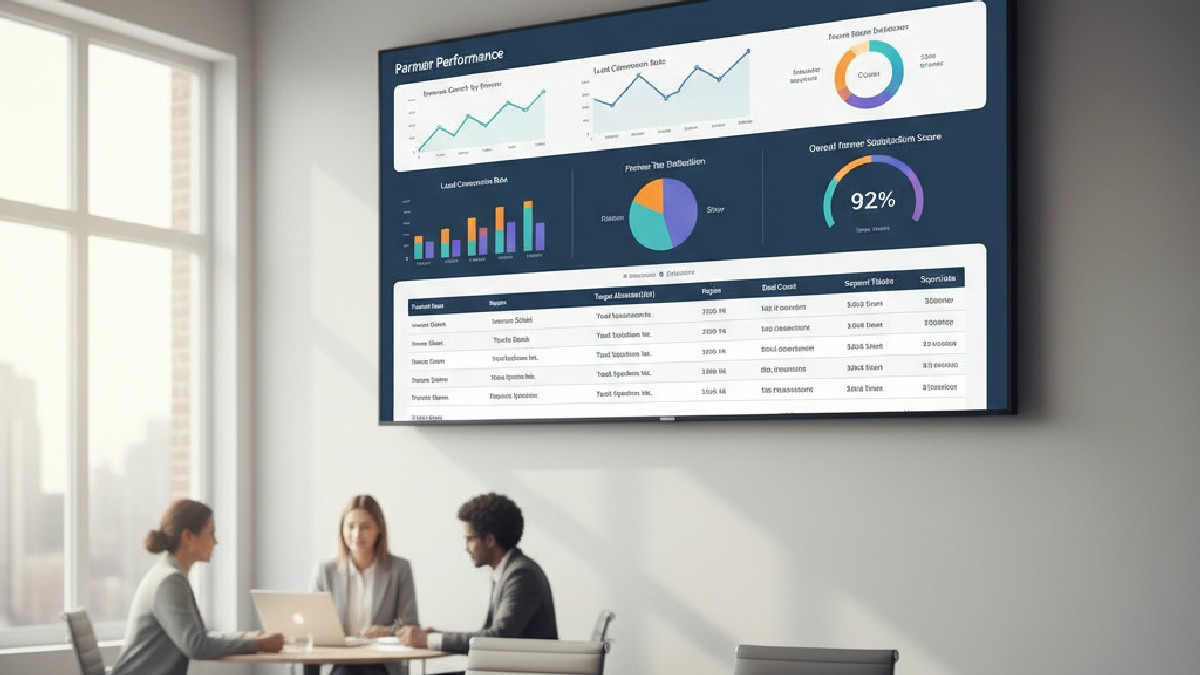
A PRM platform with robust reporting capabilities is essential for measurement. Dashboards provide a real-time view of channel performance at a glance. They help you quickly identify trends, opportunities, and potential problems.
Sophisticated platforms provide advanced analytics to dig deeper into the data. Performance analytics can reveal which partners are most effective and why. This insight helps you replicate success across your entire partner base.
Some systems even offer predictive analytics to forecast future trends. This can help you allocate resources more effectively and proactively manage your channel. It is a powerful tool for strategic partner relationship management.
Regularly reviewing these metrics with your partners is a best practice. This creates a transparent, data-driven conversation about performance and goals. It helps hold both sides accountable for achieving the desired outcomes.
Ultimately, measuring success demonstrates the value of your channel program. It helps justify continued investment in partner relationship management activities. Data-backed results are the most powerful argument for any business initiative.
Traditional vs. AI-Powered Partner Relationship Management
| Feature | Traditional Approach | AI-Powered Approach |
|---|---|---|
| Data Analysis | Manual review of historical reports and spreadsheets. | Automated analysis with performance analytics for real-time insights. |
| Partner Onboarding | Slow, manual process involving paperwork and emails. | Streamlined, automated workflows for rapid and consistent onboarding. |
| Lead Management | Leads are distributed manually with limited tracking. | Intelligent lead routing and automated tracking from registration to close. |
| Partner Enablement | One-size-fits-all training materials and content. | Personalized learning paths and content recommendations based on role. |
| Communication | Fragmented communication across email, phone, and various portals. | Centralized, automated communication through a single unified platform. |
| Forecasting | Based on historical data and anecdotal feedback from managers. | Uses predictive analytics to create more accurate sales forecasts. |
| Marketing Support | Generic marketing assets that partners must adapt themselves. | Automated co-branding and dynamic content for localized campaigns. |
How ZINFI Empowers Your Partner Relationship Management
ZINFI's Unified Partner Management platform provides a comprehensive solution for your channel. It integrates all aspects of partner relationship management into a single, easy-to-use system. Our modular approach allows you to build the exact solution your business needs.
We empower brands to achieve profitable growth and a competitive advantage. Here is how ZINFI elevates your partner relationship management strategy:
- Complete Partner Lifecycle Management: From recruitment and onboarding to enablement and incentives, we cover every stage. Our platform supports the entire journey for a seamless partner experience.
- Deep Analytics and Reporting: Gain unparalleled visibility into your channel's performance with our advanced analytics. Make data-driven decisions to optimize your programs and drive revenue growth.
- Integrated Enablement and Marketing: We fuse partner learning, content management, and marketing automation. This ensures your partners have the knowledge and tools to succeed in their markets.
- Flexible Program and Incentive Management: Easily create and manage tiered programs, MDF, rebates, and other incentives. Our platform automates tracking and payouts, reducing administrative overhead. li>Seamless Integration Capabilities: ZINFI's platform integrates with your existing CRM, ERP, and other business systems. This creates a unified tech stack for maximum efficiency and data consistency.
- Global, Multilingual Support: Manage a diverse, global partner network with our multilingual interface and support. We provide the tools to scale your channel operations worldwide effectively.
Frequently Asked Questions
What is partner relationship management (PRM)?
Partner relationship management is the set of strategies, processes, and technologies used to manage channel partners. It aims to build strong, productive, and profitable relationships. This approach helps companies scale their sales and marketing efforts effectively.
Why is partner relationship management important?
It is important because channel partners are a vital revenue source for many businesses. Effective management increases partner loyalty, performance, and overall channel sales. It helps create a predictable and scalable extension of your direct sales force.
What are the core components of a PRM strategy?
The core components include partner recruitment, onboarding, enablement, engagement, and management. A successful strategy integrates all these elements into a cohesive program. Technology is often used to support and automate these functions.
How does PRM software help with managing partner relationships?
PRM software centralizes all partner-facing activities into a single platform. It automates workflows, manages content, tracks performance, and facilitates communication. This technology makes it much easier to scale a partner program efficiently.
What is the difference between PRM and CRM?
CRM (Customer Relationship Management) software is used to manage interactions with direct customers. PRM software, on the other hand, is specifically designed to manage relationships with indirect sales partners. The two systems often integrate to share data.
What are some common challenges in partner relationship management?
Common challenges include poor communication, channel conflict, and low partner engagement. Other issues are inconsistent branding and difficulty in measuring ROI. A structured approach and the right technology can mitigate these problems.
How do you improve partner engagement?
You can improve engagement through clear communication, valuable enablement, and attractive incentives. Simplifying business processes also makes it easier for partners to work with you. A great partner experience is key to driving higher engagement levels.
What KPIs should be tracked in partner relationship management?
You should track both financial and engagement KPIs for a complete view. Financial KPIs include channel revenue and deal registration volume. Engagement KPIs include training completion rates, portal activity, and marketing participation.
What makes a good partner program?
A good partner program is simple, profitable, and predictable for the partners. It has clear tiers, valuable benefits, and strong enablement resources. It should be designed to foster a mutually beneficial and long-term relationship.
How does partner feedback improve partner relationship management?
Partner feedback provides direct insight into what is working and what is not. Acting on this feedback shows partners that you value their input. This collaborative approach builds trust and helps you continuously improve your channel program.
About the author
Sugata Sanyal
Sugata Sanyal is the Founder & CEO of ZINFI Technologies, a leader in Unified Partner Management. He has been a passionate advocate for the channel and channel partners for decades. His vision for ZINFI is to provide partner ecosystems with the tools they need to succeed.