Activating and Enabling Partners with PRM Software for Long-Term Success
A robust Partner Relationship Management (PRM) platform is the key to effective partner activation and enablement. It provides the necessary tools and automated workflows to onboard, train, and support partners for long-term success.
Successful channel partnerships do not happen by accident. They require a strategic approach to bringing partners into your ecosystem.
This process involves two crucial stages: activation and enablement. Activation focuses on getting new partners started quickly and efficiently.
Enablement ensures they have the skills and resources to sell effectively. A modern PRM solution automates and streamlines both of these critical functions.
Without a centralized system, these efforts can become fragmented and inefficient. This leads to poor partner engagement and missed revenue opportunities.
This article explores how leveraging a dedicated software platform solves these challenges. We will detail the features and strategies for building a thriving partner channel.
Ultimately, investing in the right technology helps scale your partner program. It transforms how you manage relationships and drive mutual growth.
Companies that prioritize partner experience see significant returns on their investment. Your channel will become a predictable and powerful engine for revenue generation.
Key Takeaways
TL;DR
- Partner activation is the initial onboarding and engagement of new channel partners. A PRM platform automates this process for consistency and speed.
- Partner enablement involves providing ongoing training, content, and sales tools. This empowers partners to effectively represent and sell your products.
- Core PRM features for activation include automated onboarding workflows and digital contract management. They also include integrated business planning tools for new partners.
- Measuring success requires tracking key performance indicators (KPIs) through analytics dashboards. This includes partner engagement rates, training completions, and sales performance.
- A unified PRM solution centralizes all partner-facing activities and resources. This creates a seamless and professional experience for your entire partner ecosystem.
- Scalable partner programs are built on technology that reduces manual administrative tasks. This frees up your channel team to focus on strategic relationship building.
- Long-term success depends on continuous support and resource availability. A partner portal serves as the single source of truth for all partner needs.
What Is Partner Activation and Why Does It Matter with PRM?
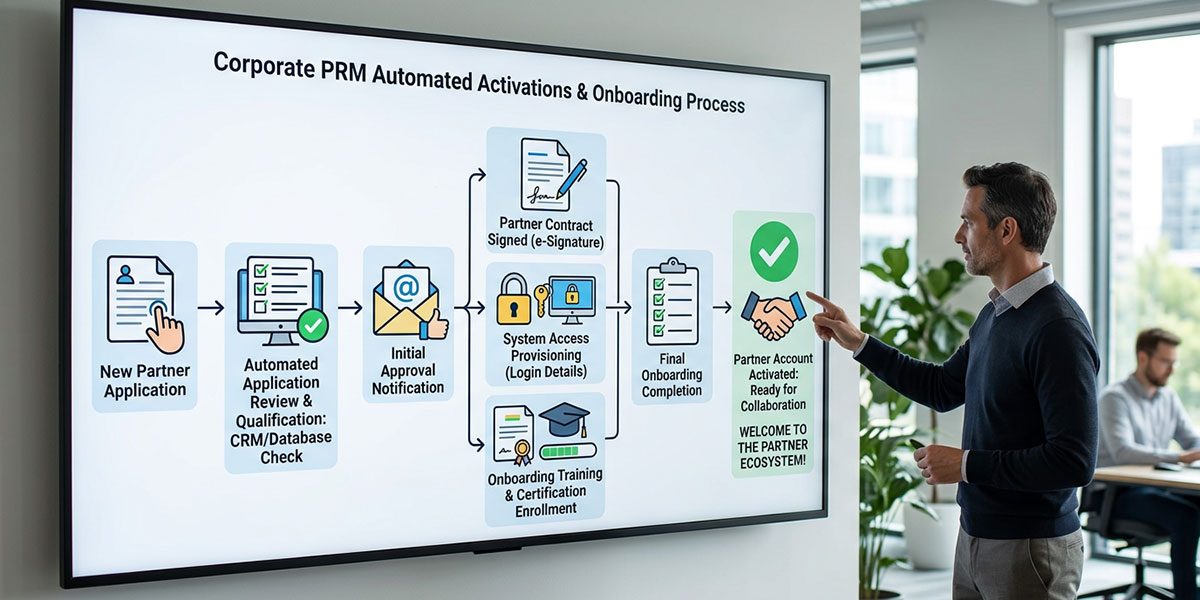
Partner activation is the formal process of onboarding new channel partners. It moves them from a signed contract to an active, engaged seller.
This stage is absolutely critical for the long-term health of your partnership. A poor initial experience can lead to low engagement and partner churn.
The primary goal is to make it easy for partners to get started. You want to remove friction and provide a clear path to their first sale.
This involves several key steps coordinated through your partner program. These steps should be simple, logical, and easy for the partner to follow.
A structured activation process sets clear expectations from the beginning. It demonstrates your commitment to their success and builds early momentum.
Without a formal process, partners are often left to figure things out alone. This confusion results in wasted time and a slow ramp-up to productivity.
This is where a dedicated Partner Relationship Management system becomes invaluable. The PRM platform serves as the central hub for the entire activation journey.
It digitizes and automates many of the manual tasks involved in onboarding. This ensures a consistent and professional experience for every new partner.
For example, the software can provide a guided step-by-step onboarding checklist. Partners can see their progress and know exactly what comes next.
This might include completing legal agreements or watching an introductory welcome video. It could also involve setting up their user profile in the partner portal.
Using a partner contracts management module ensures all paperwork is handled efficiently. Digital signatures and automated reminders accelerate the administrative phase of onboarding.
This speed is important for maintaining the partner's initial enthusiasm. Delays at this stage can quickly dampen their motivation to engage with your brand.
A good PRM solution also helps with initial business planning. It provides tools for setting joint goals and defining target markets.
This collaborative planning ensures alignment between your objectives and the partner's business. Partner business planning tools formalize this critical conversation from the start.
By automating these foundational steps, you reduce the workload on your channel account managers. They can then focus on building strategic relationships rather than administrative chores.
This efficiency is crucial for scaling your partner program effectively. You can onboard more partners without proportionally increasing your internal headcount.
Furthermore, the data collected during activation provides valuable insights. You can track how long it takes partners to complete onboarding steps.
This data helps you identify bottlenecks in your process. You can then refine your activation workflow to make it even more efficient.
Ultimately, a strong activation process powered by a PRM builds a solid foundation. It ensures partners are well-prepared, motivated, and aligned with your goals.
This leads to faster time-to-revenue for both your company and the partner. It is the first and most important step toward a profitable, long-term relationship.
How Does PRM Drive Effective Partner Enablement?
Partner enablement is the next logical step after successful activation. It is a continuous process of equipping partners with necessary resources.
These resources include the knowledge, skills, and tools to market and sell your products. Enablement is not a one-time event; it's an ongoing commitment.
The goal is to empower partners to become self-sufficient and highly competent. They should feel confident representing your brand and engaging with customers.
A comprehensive PRM solution is the engine that drives effective enablement. It provides a centralized platform for all enablement-related activities and content.
One of the core components of partner enablement is training and certification. Partners need to understand your products, target market, and sales methodology.
A Partner Learning Management System (LMS) module within a PRM is essential for this. It allows you to create and deliver structured training courses.
You can develop learning paths tailored to different partner types or roles. A sales representative might have a different curriculum than a technical support engineer.
The LMS can host various content formats like videos, documents, and quizzes. This variety caters to different learning styles and keeps partners engaged.
Progress tracking is another key feature of a partner LMS. You can monitor course completions and certification status for each partner company.
This data is critical for managing program compliance. It also helps identify partners who are actively investing in their skills.
Beyond formal training, access to content is a pillar of enablement. Partners need a rich library of marketing and sales assets.
A content library management feature within the PRM is the answer. It provides a single, organized repository for all relevant materials.
This includes product datasheets, case studies, white papers, and presentation decks. It also houses email templates, social media posts, and battle cards.
Having everything in one place saves partners valuable time. They no longer need to email your channel manager asking for the latest version of a document.
Advanced platforms also allow for content personalization. A co-branded assets management tool lets partners add their own logo to marketing collateral.
This simple feature increases the likelihood that partners will use your materials. It strengthens their local brand identity while promoting your solutions.
Effective enablement also means providing tools that simplify the sales process. The right software gives partners access to powerful sales execution tools.
For instance, a deal registration module protects partners' sales efforts. It reduces channel conflict and encourages them to bring new opportunities to you.
Similarly, a Configure, Price, Quote (CPQ) tool helps partners create accurate quotes quickly. This streamlines the sales cycle and improves the customer experience.
A unified PRM platform integrates all these enablement functions. The partner has one portal to access training, content, and sales tools.
This seamless experience is crucial for maintaining partner mindshare. If your portal is easy to use, partners are more likely to engage with it regularly.
By investing in a robust platform for enablement, you are investing in your partners' success. This directly translates to increased channel revenue and market share for your company.
What Are the Core PRM Features for Activating New Partners?
When activating new partners, specific PRM features are particularly important. These tools are designed to streamline the earliest stages of the relationship.
They focus on removing administrative hurdles and creating a clear path forward. This automation is key to building momentum from day one.
First and foremost is an automated onboarding workflow. A workflow management engine allows you to design a step-by-step journey for new partners.
This workflow can trigger tasks, send notifications, and guide partners through required activities. It ensures a consistent onboarding experience for every single partner.
This feature eliminates the risk of important steps being missed. It also frees up your channel managers from manually guiding each new recruit.
Digital contract management is another essential feature for rapid activation. Waiting for paper contracts to be signed and returned is a major bottleneck.
A good PRM integrates with e-signature tools to digitize this entire process. Partners can review and sign partnership agreements directly within the portal.
This can reduce the contracting cycle from weeks to mere hours. It significantly accelerates the partner's official entry into your program.
Once the contract is signed, user and access management become critical. The user management module allows the partner's administrator to create accounts for their team.
They can assign roles and permissions based on job function. This is managed through an access management system within the platform.
This self-service capability empowers the partner organization. It also removes another administrative burden from your internal team.
Collaborative business planning tools are also vital during the activation phase. These features facilitate a structured discussion about mutual goals and strategies.
Partners and channel managers can jointly develop a plan within the system. The plan can outline revenue targets, marketing activities, and key milestones.
This formalizes the business relationship and ensures both parties are aligned. It moves the partnership beyond a simple transactional agreement to a strategic alliance.
A centralized partner management database provides a single source of truth. It stores all key information about the partner firm, their contacts, and their progress.
This 360-degree view is essential for your channel team. It allows them to understand the partner's status at a glance.
Communication tools are also a core part of an effective activation strategy. An alerts management system can push important updates and notifications to partners.
This keeps them informed about new training modules or critical program updates. It helps maintain engagement during the crucial first 90 days.
By leveraging these core PRM features, you create a world-class onboarding experience. You demonstrate professionalism and a serious commitment to partner success.
This positive first impression encourages partners to invest their time and resources. It sets the stage for a productive and profitable long-term relationship.
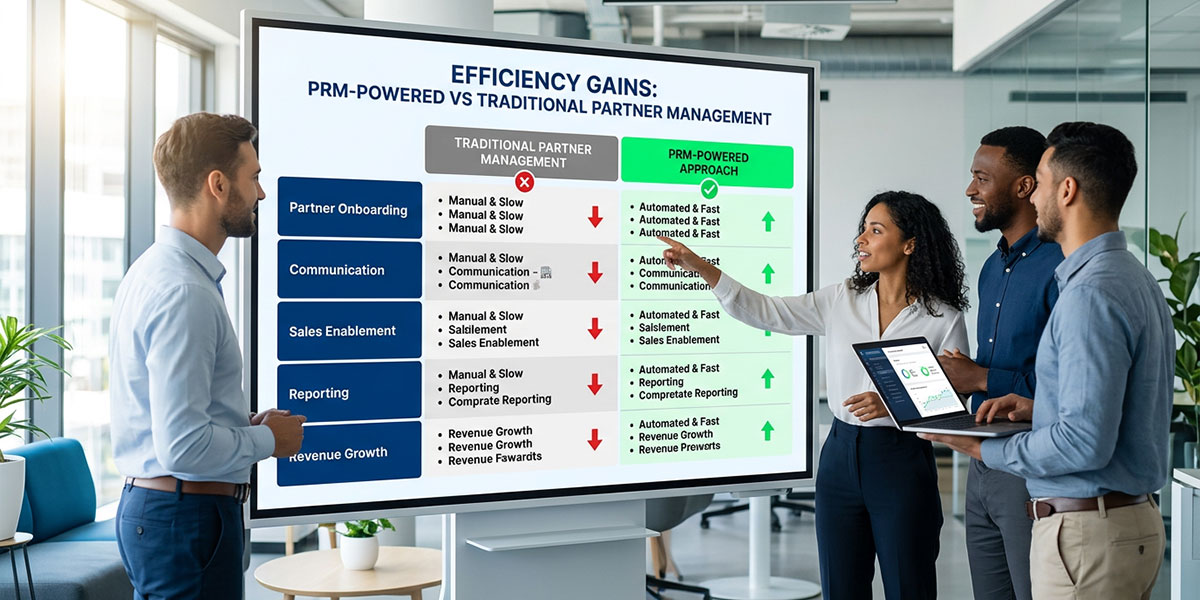
Traditional vs. PRM-Powered Approach
| Activity | Traditional Approach (Manual) | PRM-Powered Approach (Automated) |
|---|---|---|
| Onboarding | Manual emails, spreadsheets, and checklists for each partner. | Automated, guided workflows directly within the partner portal. |
| Contracts | Printing, mailing, and waiting for physical documents to be returned. | Integrated e-signature for instant digital contract execution. |
| Training | In-person sessions or emailing large video files and PDFs. | Centralized LMS with self-paced courses and automated tracking. |
| Content Access | Partners email requests for marketing or sales collateral. | 24/7 self-service access to a centralized, up-to-date content library. |
| Business Planning | Static documents and spreadsheets that are quickly outdated. | Dynamic, collaborative business planning tools within the software. |
| Communication | Ad-hoc emails and phone calls that are difficult to track. | Targeted announcements, newsletters, and alerts sent via the platform. |
| Performance Tracking | Manual data collection from various sources into spreadsheets. | Real-time dashboards and automated reports with actionable insights. |
How Can You Measure Success with a PRM Platform?
Measuring the success of your partner activation and enablement efforts is crucial. Without data, you are operating on assumptions rather than facts.
A powerful PRM platform provides the tools to track and analyze performance. This is achieved through robust business intelligence and reporting capabilities.
The first step is to define your Key Performance Indicators (KPIs). These metrics should align with your overall channel program goals.
For partner activation, important KPIs might include time-to-first-sale. Another is the percentage of partners who complete the onboarding checklist.
You can also track the time it takes for a partner to move from signing a contract to being fully certified. A shorter cycle is a sign of an efficient activation process.
For partner enablement, KPIs focus on engagement and competency. You can measure the number of training courses completed per partner.
Another key metric is the utilization of marketing and sales content. Are partners downloading and using the assets you provide?
A sophisticated PRM platform includes a business intelligence and reports module. This module presents all this data in easy-to-understand dashboards.
Channel managers can see at a glance which partners are engaged. They can also identify which ones might need additional support or encouragement.
These dashboards can be customized to show the most relevant data for different users. A channel executive might want a high-level overview of the entire program.
A channel account manager, however, needs a detailed view of their specific partners. The platform should be flexible enough to support both perspectives.
According to a report by Gartner, data-driven insights are key to revitalizing channel growth. Analytics help companies move from reactive to proactive partner management.
With good data, you can identify trends and patterns. For example, you might discover that partners who complete a specific certification sell 30% more.
This insight allows you to promote that certification more heavily across your partner base. It provides a data-backed reason for partners to invest their time.
Over time, you can use more advanced analytics. These might include predictive analytics to forecast future partner performance based on current behaviors.
You can also use performance analytics to correlate enablement activities with sales outcomes. This helps you understand the real-world impact of your training programs.
The reporting features of the PRM also help demonstrate the value of the channel program. You can create reports for executive leadership showing the ROI of your partner investments.
This includes metrics like channel-influenced revenue and partner pipeline growth. Clear reporting helps secure ongoing budget and support for your team.
Ultimately, a data-driven approach transforms partner management. It moves it from an art to a science, enabling continuous improvement.
The analytics provided by a comprehensive PRM are not just nice-to-have. They are essential for building a scalable and predictable revenue engine.

How ZINFI's Unified PRM Platform Accelerates Success
ZINFI offers a comprehensive suite of tools for partner activation and enablement. Our Unified Partner Management platform consolidates everything into a single solution.
This unified approach eliminates data silos and creates a seamless experience for partners. It provides all the functionalities needed to build and scale a world-class partner program.
Our platform is designed to automate the entire partner lifecycle. From recruitment and onboarding to ongoing management and sales, we have you covered.
By leveraging ZINFI, you can significantly reduce manual administrative work. This allows your channel team to focus on high-value strategic initiatives.
We empower our clients to create highly effective and efficient channel programs. Our goal is to drive tangible business results and long-term partner loyalty.
Here are just a few ways ZINFI’s platform can transform your channel:
- Automated Onboarding: Use our workflow management to create guided, step-by-step onboarding journeys that ensure consistency and speed across your entire partner network.
- Comprehensive Enablement: Leverage an integrated Partner Learning Management (LMS) and Content Management to deliver training and sales assets through a single, intuitive portal.
- Through-Channel Marketing Automation: Equip partners with powerful marketing tools like email marketing and social media syndication to generate their own leads.
- Streamlined Sales Execution: Simplify and protect the sales process with integrated deal registration and referral management, reducing channel conflict and boosting partner confidence.
- Incentive Management: Automate complex processes like Market Development Funds (MDF) and rebates to motivate and reward high-performing partners effectively.
- Actionable Analytics: Gain deep insights into every aspect of your partner program with robust business intelligence and reporting, enabling data-driven decision-making.
Frequently Asked Questions
What is the difference between partner activation and partner enablement?
Activation is the initial onboarding process to get partners started. Enablement is the continuous process of providing them with skills and resources.
Why is a PRM platform important for partner activation?
A PRM automates onboarding workflows and administrative tasks. This creates a fast, consistent, and professional experience for new partners.
How does a PRM help with partner training?
Most PRM solutions include a Learning Management System (LMS). It provides a central place for partners to take courses and get certified.
Can a PRM help me scale my partner program?
Yes, by automating manual processes, a PRM allows you to manage more partners. You can do this without proportionally increasing your channel team headcount.
What is deal registration in a PRM?
Deal registration allows partners to log sales opportunities they are pursuing. This protects their deal from being taken by another partner or direct sales.
How can I measure the ROI of my partner program using a PRM?
A PRM provides analytics dashboards and reporting tools. You can track channel-influenced revenue, pipeline growth, and other key financial metrics.
What is a partner portal and how does it relate to PRM?
The partner portal is the user-facing interface of the PRM software. It's the single website partners log into to access all tools and resources.
How does a PRM improve the partner experience?
It provides a single, easy-to-use platform for all their needs. This convenience and professionalism lead to higher partner satisfaction and engagement.
What is co-branded collateral in a PRM?
This feature allows partners to automatically add their logo to your marketing materials. It helps them promote your solutions while building their own local brand.
Can I manage partner funds with a PRM?
Yes, many PRM platforms include modules for managing Market Development Funds (MDF). They automate the proposal, approval, and claims process for partners.
About the author
Sugata Sanyal
Sugata Sanyal is the Founder & CEO of ZINFI Technologies, a leader in Unified Partner Management. He has been a passionate advocate for the channel and channel partners for decades. His vision for ZINFI is to provide partner ecosystems with the tools they need to succeed.