Which Partner Relationship Management Platforms Truly Elevate Channel Sales Enablement?
The best Partner Relationship Management platforms provide integrated tools that directly support channel sales enablement. These platforms unite partner onboarding, training, marketing resources, and sales tools into one cohesive system.
Success in indirect sales channels requires empowering partners with the right knowledge and resources. A comprehensive solution streamlines these efforts for maximum efficiency and growth for your organization.
These systems are designed to make partners an extension of your own sales force. They provide the structure needed to manage, measure, and improve partner performance over time.
Choosing the right platform is critical for achieving your channel sales objectives. It must align with your business processes and provide a seamless experience for your partners.
Ultimately, a robust platform transforms how you engage with your partner ecosystem. It creates a foundation for scalable, predictable revenue through your indirect sales channels.
Key Takeaways
TL;DR
- A strong Partner Relationship Management platform is crucial for effective channel sales enablement.
- Core features include onboarding, training, asset management, and performance tracking.
- Deal registration is vital for preventing channel conflict and protecting partner-sourced leads.
- Automated incentives motivate partners and drive desired sales behaviors efficiently.
- A centralized digital asset library ensures partners always use current, brand-approved materials.
- Modern platforms use AI for predictive analytics to forecast sales and identify opportunities.
- Seamless integration with existing CRM and ERP systems is a hallmark of top-tier platforms.
How Does Partner Relationship Management Drive Sales Enablement?
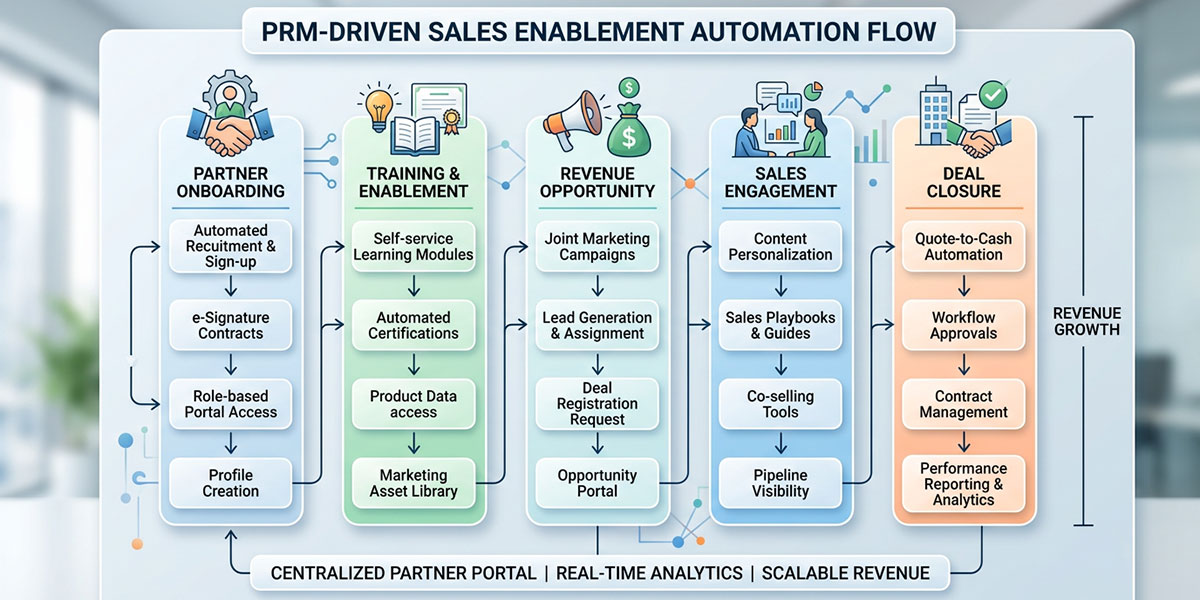
A sophisticated Partner Relationship Management system serves as the central hub for all channel activities. It equips partners with the necessary tools to sell your products and services effectively.
This centralized approach ensures consistency and efficiency across your entire partner network. Partners receive standardized training, marketing assets, and sales support directly through the portal.
Effective sales enablement begins with a structured and automated onboarding process for new partners. A quality platform guides partners through training modules, contract signing, and initial business planning.
This automation reduces the administrative burden on your channel account managers. It allows them to focus on high-value activities like strategic coaching and co-selling with partners.
Continuous learning is also a cornerstone of sales enablement supported by PRM systems. Through integrated learning management systems (LMS), partners can access courses and certifications on demand.
This ensures they remain up-to-date on product knowledge and sales methodologies. It helps them represent your brand accurately and confidently in the marketplace.
Furthermore, a robust Partner Relationship Management solution provides powerful communication tools. You can disseminate important updates and news through alerts and centralized messaging.
This keeps partners engaged and informed about new product launches or program changes. Engaged partners are far more likely to be active and successful sellers for your brand.
Performance tracking is another way these platforms drive sales enablement effectively. Dashboards provide real-time visibility into key performance indicators (KPIs) like pipeline and revenue.
This data helps both you and your partners identify areas for improvement. You can then provide targeted support to help underperforming partners get back on track.
Ultimately, this structure fosters a data-driven approach to an important business function. Decisions are based on actual results rather than gut feelings or anecdotal evidence.
By streamlining operations and providing essential resources, the platform empowers partners completely. It helps them generate more leads, manage their pipeline, and close deals much faster.
This comprehensive support transforms partners from simple resellers into strategic business allies. A great Partner Relationship Management platform is the engine that powers this transformation.
It creates a scalable framework that can support hundreds or even thousands of partners globally. This scalability is impossible to achieve with manual methods like spreadsheets and email.
Organizations that invest in a high-quality channel management platform see significant returns. They experience increased channel revenue, improved partner satisfaction, and greater market penetration.
The right system makes it easier for partners to do business with you. This ease of doing business is a major competitive differentiator in a crowded market.
Therefore, a comprehensive Partner Relationship Management solution is not just an operational tool. It is a strategic asset for any company that relies on indirect sales channels.
It provides the technological foundation needed to build a world-class channel program. Every feature is designed to make partners more productive and successful over their entire lifecycle.
From initial recruitment to ongoing management, the platform supports every stage. This holistic approach is what truly drives sales enablement and long-term channel growth.
In essence, the platform removes friction from the partner journey every step of the way. It allows partners to focus on what they do best, which is selling.
What Core Features Do Partner Relationship Management Platforms Offer?
Modern Partner Relationship Management platforms offer a wide array of integrated features. These features are designed to manage the entire partner lifecycle from recruitment to offboarding.
A core component is a robust partner portal, which acts as the single point of access. Partners log in to find everything they need to succeed in one place.
Within the portal, you will typically find tools for partner onboarding and training. This often includes an LMS module for delivering courses and tracking partner certifications.
This ensures that all partners have a baseline level of product and sales knowledge. It standardizes the partner experience and maintains a high level of quality.
Another crucial feature is a digital asset library, also known as content management. This is where partners access marketing collateral, sales playbooks, and technical documentation.
Having a centralized content library guarantees partners always use the most current, brand-approved materials. It prevents the use of outdated or off-brand content in the market.
Lead and deal management capabilities are also absolutely essential for sales enablement. This includes tools for lead distribution, deal registration, and pipeline management.
These sales tools help organize the sales process and provide visibility to channel managers. They are fundamental to tracking partner-driven revenue and avoiding any channel conflicts.
Marketing automation tools are another common feature found in leading PRM systems. These tools allow partners to execute co-branded marketing campaigns with ease and confidence.
Features can include email marketing, social media syndication, and microsite management. This extends your marketing reach through your partners' local networks and relationships.
Incentive management is also a critical component of a comprehensive channel management platform. This includes managing market development funds (MDF), co-op funds, rebates, and commissions.
Automating incentive programs reduces administrative overhead and ensures timely payments to partners. This helps keep partners motivated and focused on achieving their sales goals.
Business planning and performance management are also key features. These tools help partners and channel managers set goals and track progress against them.
Dashboards and reporting provide deep insights into every aspect of partner performance. A good channel management platform makes this data accessible and easy to understand.
Integration capabilities are vital for a modern Partner Relationship Management platform. It must connect seamlessly with other business systems like CRM, ERP, and marketing automation.
This connectivity creates a single source of truth for all channel-related data. It eliminates data silos and ensures that information flows freely between departments.
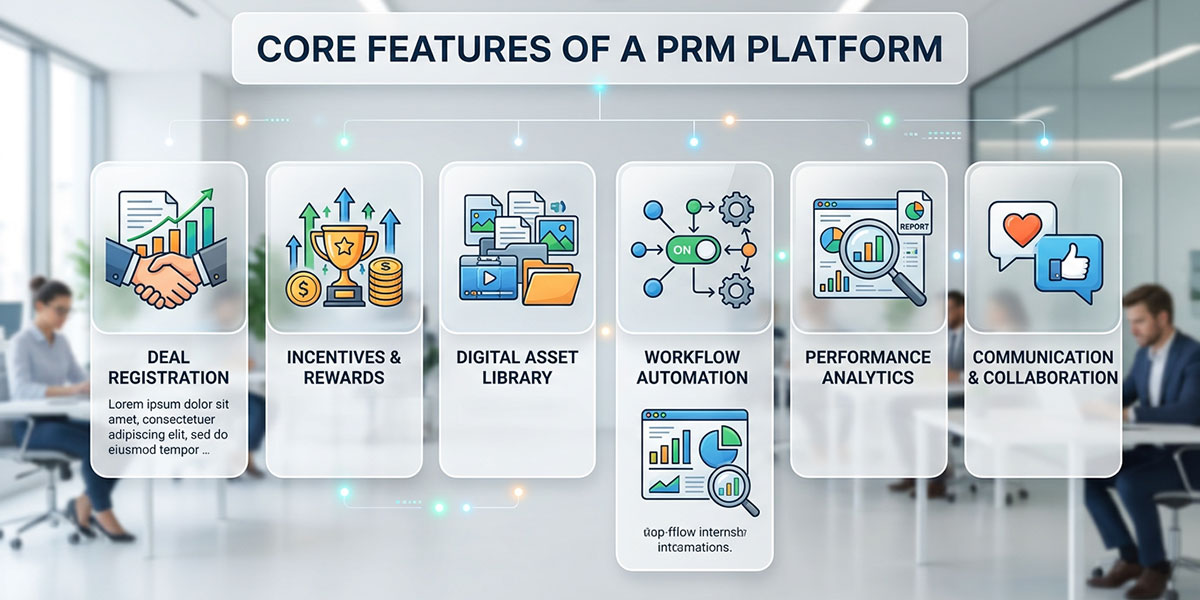
These core features work together to create a cohesive and powerful system. They provide a comprehensive solution for managing the entire partner ecosystem effectively.
When evaluating a Partner Relationship Management solution, look for this breadth of functionality. A platform that covers these areas will provide a strong foundation for your program.
The goal is to automate as many manual processes as possible. This frees up your team to focus on strategic initiatives that drive channel growth.
Ultimately, a platform with these core features will significantly enhance your sales enablement efforts. It empowers your partners and makes your channel program more efficient and profitable.
A leading Gartner report highlights the importance of these integrated modules. It stresses that a unified platform provides the most value for organizations.
Investing in a complete suite avoids the complexities of managing multiple point solutions. It provides a better experience for both your internal team and your partners.
Top-tier platforms also include tools for communication and collaboration. This might include features like a partner community forum or integrated support ticketing.
These tools help foster a sense of community among your partners. They provide a space for partners to share best practices and help each other.
The right platform scales with your business as your channel program grows. Its architecture should be flexible enough to adapt to your evolving business needs.
This adaptability is a key consideration for long-term success. Your Partner Relationship Management system should be a long-term investment that grows with you.
Why is Deal Registration Critical in a Partner Relationship Management System?
Deal registration is one of the most critical functions within any channel program. A Partner Relationship Management system automates and standardizes this entire essential process.
It provides a formal mechanism for partners to claim a lead they generated. This registration protects their investment of time and resources in developing an opportunity.
The primary benefit of deal registration is the prevention of channel conflict. It stops multiple partners or your direct sales team from pursuing the same customer deal.
This clarity is essential for building trust with your partner community. Partners are more willing to invest in lead generation when they know their deals are protected.
An automated workflow within the PRM platform manages the approval process. When a partner submits a deal, it is routed to the appropriate channel manager for review.
This workflow can include checks for duplicate entries against existing opportunities. It ensures that the deal is new and not already being worked on by someone else.
Once a deal is approved, it is locked to that specific partner for a set period. This gives them exclusive rights to close the business without internal competition.
This exclusivity is a powerful motivator for partners. It encourages them to bring new opportunities to you instead of to your competitors.
A good Partner Relationship Management system provides full visibility into the deal pipeline. Both the partner and the channel manager can track the status of registered deals.
This transparency strengthens the relationship and facilitates collaborative selling. Channel managers can offer support and resources to help partners move deals forward.
Deal registration also provides invaluable data for forecasting and business planning. It gives you a clear view of the partner-generated pipeline and its potential value.
This data is crucial for accurate sales forecasting and resource allocation. You can see which partners are generating the most valuable opportunities for your business.
The historical data from deal registrations also informs partner performance reviews. It helps you identify your most successful partners and understand what makes them effective.
You can then replicate these successful strategies across your entire partner base. This helps elevate the performance of the entire channel ecosystem over a long period.
Furthermore, deal registration is often tied directly to partner incentive programs. Approved deals may qualify for higher margins, special pricing, or bonus commissions.
This financial incentive further encourages partners to register all their deals. It ensures that you have complete visibility into the channel's sales activities.
Without a formal deal registration process, your channel can quickly become chaotic. Disputes between partners or with your direct sales team can damage relationships irreparably.
Implementing a clear and fair process through your Partner Relationship Management platform is key. It establishes clear rules of engagement that everyone must follow throughout the process.
This structured approach builds a foundation of trust and fairness. It demonstrates your commitment to your partners' success and financial well-being.
Partners are far more loyal to vendors who protect their business interests. A robust deal registration function is a tangible demonstration of that protection.
Any company serious about building a successful channel program must prioritize this feature. It is a non-negotiable component of a modern sales enablement strategy.
A sophisticated Partner Relationship Management solution makes this process simple and foolproof. It removes the ambiguity and potential for conflict from the sales cycle.
How Do Automated Incentives in a Partner Relationship Management Platform Boost Sales?
Automated incentives are a powerful tool for driving specific behaviors within your channel. A Partner Relationship Management platform makes managing these programs simple and scalable.
These incentives can range from commissions and rebates to co-op funds. They are designed to motivate partners and align their goals with your own business objectives.
Automation is the key to running effective incentive programs at scale. Manually tracking sales, calculating payouts, and processing claims is incredibly time-consuming and prone to errors.
A PRM system with an integrated incentives module handles all these tasks automatically. It frees up your team to focus on program strategy rather than administration.
For example, you can create tiered commission structures that reward top performers. The system automatically calculates and tracks commissions based on sales data from your CRM.
This provides partners with real-time visibility into their potential earnings. This transparency is a strong motivator that encourages them to sell more products.
Market Development Funds, or MDF, are another common incentive managed through these platforms. You allocate funds to partners to use for co-branded marketing and lead generation activities.
The platform automates the entire MDF lifecycle from proposal to claim and payment. Partners submit marketing plans, and you can approve them through a predefined workflow.
After executing the activity, partners submit claims with proof of performance. The system validates these claims and processes the reimbursement, ensuring program compliance.
This automation makes it easy to track the return on investment (ROI) of your MDF spending. You can see which partners and which activities are generating the best results.
Rebate programs are also easily managed through a quality channel management platform. You can set up volume-based rebates that reward partners for hitting certain sales targets.
The system tracks sales towards these targets and automatically calculates the rebate amount. This eliminates complex spreadsheet calculations and reduces payment disputes with your partners.
Automated incentives also allow you to be more agile and strategic. You can quickly launch short-term promotions, or SPIFFs, to drive sales of a new product.
The platform can manage the promotion, track eligible sales, and process the payouts. This allows you to react quickly to market conditions or competitive pressures.
A quality Partner Relationship Management system provides clear dashboards for partners. They can see all available incentive programs and track their progress toward earning them.
This self-service capability empowers partners and reduces the number of inquiries to your team. It makes your programs more accessible and easier for partners to participate in.
Ultimately, automated incentives create a clear link between partner actions and rewards. This direct connection is very effective at shaping partner behavior over a sustained period.
By rewarding activities like training completion or deal registration, you reinforce best practices. This helps build a more capable and disciplined partner ecosystem for your organization.
The data collected from these programs also provides valuable insights for your team. You can analyze which incentives are most effective at driving sales and adjust your strategy.
A well-managed incentive program is a key part of any successful sales enablement strategy. It provides the motivation that complements the tools and training you provide.
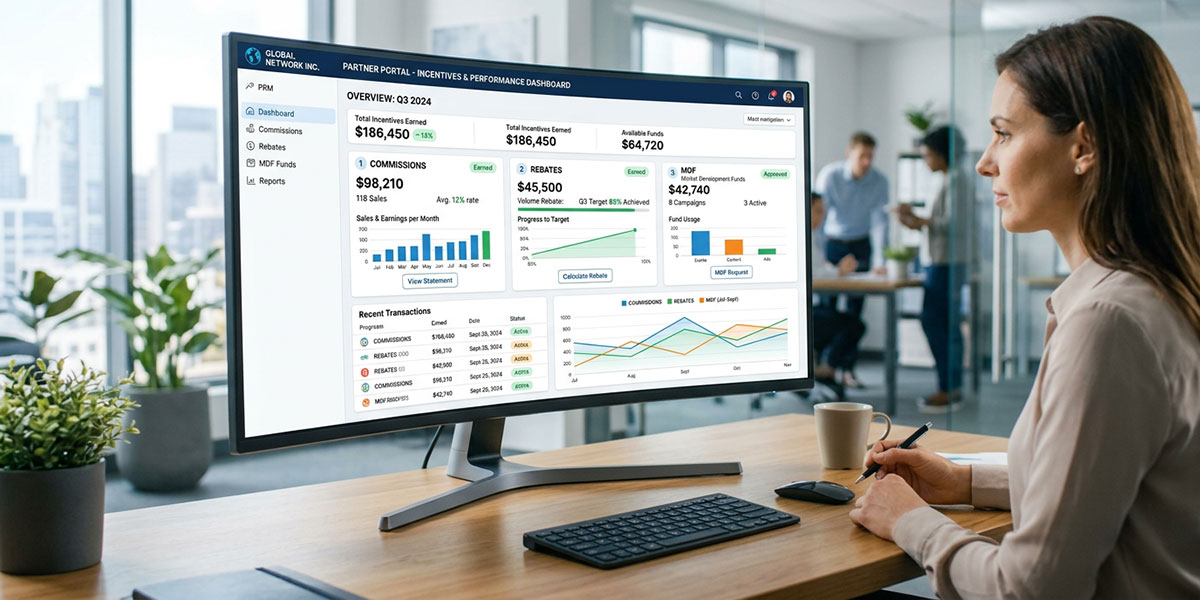
By leveraging a Partner Relationship Management platform, you can run sophisticated programs. You can do this without needing a large administrative team to support those programs.
This efficiency allows you to invest more of your budget into the rewards themselves. This makes your programs more attractive and competitive in the marketplace for partners.
Can a Digital Asset Library in Partner Relationship Management Improve Partner Performance?
Yes, a digital asset library is a fundamental component of effective sales enablement. It directly impacts a partner's ability to market and sell your products successfully.
Within a Partner Relationship Management platform, this library acts as a single source of truth. It hosts all brand-approved marketing and sales content for partners to use.
This centralization is crucial for maintaining brand consistency across all your channels. It ensures that partners are not creating their own materials or using outdated assets.
When partners have easy access to high-quality content, their performance naturally improves. They can quickly find datasheets, case studies, or proposal templates when they need them.
A well-organized digital asset library saves partners a significant amount of time and effort. They no longer need to email your marketing team to request specific files.
This self-service model empowers partners and makes them more self-sufficient. It allows them to respond to customer inquiries and sales opportunities much more quickly.
Modern platforms offer advanced features like asset co-branding. Partners can automatically add their own logo and contact information to pre-approved materials.
This capability makes it incredibly easy for partners to create professional, localized marketing assets. It helps them build their own brand while simultaneously promoting yours in their market.
Usage analytics are another powerful feature of these asset libraries. You can track which assets are being downloaded and used most frequently by your partners.
This data provides valuable feedback to your content creation and marketing teams. It shows them what kind of content resonates with partners and their customers.
You can also see which high-performing partners use which assets. This can help you identify content that is closely correlated with sales success.
You can then promote this content to other partners to help them improve their performance. It enables a data-driven approach to content strategy for your entire channel.
Advanced platforms also allow you to control access to content based on partner attributes. For example, you can restrict access to certain assets based on partner tier or certification level.
This ensures that partners only see the content that is relevant to them. It prevents information overload and provides a more personalized and streamlined user experience.
A digital asset library also supports the entire sales cycle with various content types. It should contain top-of-funnel marketing content and bottom-of-funnel sales enablement tools.
This includes everything from social media posts and email templates to battle cards. A comprehensive Partner Relationship Management platform will support all of these very well.
By providing a complete set of tools, you enable partners to engage customers effectively. They have the right content for every stage of the buyer's journey.
This comprehensive support significantly improves a partner's confidence and competence. They become more effective advocates for your brand and your technology solutions.
Ultimately, a dynamic and well-managed digital asset library is not just a repository. It is an active tool that directly contributes to improved partner performance.
It is a core part of the value you provide to your partners. A great library is a key reason partners choose to work with you.
AI-Powered PRM vs. Traditional PRM
| Feature | Traditional PRM | AI-Powered PRM |
|---|---|---|
| Partner Onboarding | Manual, checklist-driven process | Personalized learning paths based on role |
| Lead Scoring | Based on simple demographic data | Uses predictive analytics for accuracy |
| Content Recommendations | Generic library for all partners | Suggests assets based on deal context |
| Performance Reporting | Historical data and lagging indicators | Offers performance analytics for future trends |
| Partner Support | Manual ticket-based support system | AI-powered chatbots for instant answers |
| Sales Forecasting | Relies on partner-submitted estimates | Analyzes historical data for accuracy |
| Program Personalization | One-size-fits-all program structures | Tailors incentives and content dynamically |
Elevate Your Channel Sales with ZINFI
ZINFI’s Unified Partner Management platform provides a complete solution for channel sales enablement. It combines robust technology with deep channel expertise to drive partner success.
Our platform is built on three core pillars: Partner Relationship Management, Partner Marketing Management, and Partner Sales Management. This unified approach eliminates data silos and creates a seamless experience for your partners.
- Utilize a comprehensive suite of tools for the entire partner journey.
- Automate complex processes like deal registration and incentive management.
- Empower partners with a world-class digital asset library and co-branding tools.
- Gain deep insights with advanced analytics and business intelligence reports.
- Leverage our integrated LMS to deliver effective partner training and certification.
- Foster a collaborative environment with partner community and support management tools.
ZINFI helps you build a more engaged, productive, and profitable partner ecosystem. Our platform provides the foundation you need to scale your channel program effectively.
Discover how our award-winning solution can transform your channel sales strategy. Let us help you unlock the full potential of your indirect sales channels.
Frequently Asked Questions
What is Partner Relationship Management (PRM)?
It refers to the software and strategies companies use to manage their channel partners. It includes tools for onboarding, training, marketing, sales, and performance management.
How does a PRM system improve sales?
A PRM system improves sales by equipping partners with the right tools and knowledge. It helps them sell more effectively and efficiently, boosting a company's channel revenue.
Is a PRM system the same as a CRM system?
No, they are different but complementary systems that work quite well together. A CRM is for managing customer relationships, while a PRM is for managing partner relationships.
What is deal registration in a PRM context?
Deal registration is a process where partners inform a vendor about a sales lead. It protects the partner's lead and prevents conflict with other sales channels.
Why are automated incentives important for partners?
Automated incentives motivate partners by rewarding desired behaviors like sales and training. Automation makes these programs scalable, fair, and easy to manage for everyone involved.
What should I look for in a digital asset library?
Look for features like easy search, version control, co-branding capabilities, and usage analytics. It should provide partners with relevant, up-to-date, and brand-compliant materials.
How can a PRM platform help with partner onboarding?
A PRM platform automates the onboarding process with guided workflows and training plans. This ensures new partners are set up for success from the very first day.
What kind of analytics does a good Partner Relationship Management platform offer?
A good platform offers comprehensive analytics on partner performance, pipeline, and program ROI. It should include both historical performance analytics and future-looking predictive analytics.
Can a PRM system integrate with other business software?
Yes, leading PRM platforms are designed to integrate with other critical business systems. This includes CRM, ERP, and marketing automation software for seamless data flow.
How does a PRM platform benefit the partners themselves?
A PRM platform benefits partners by making it easier to do business with the vendor. It provides a single portal for all resources, support, and tools they need.
About the author
Sugata Sanyal
Sugata Sanyal is the Founder & CEO of ZINFI Technologies, a leader in Unified Partner Management. He has been a passionate advocate for the channel and channel partners for decades. His vision for ZINFI is to provide partner ecosystems with the tools they need to succeed.