
What Is PRM? The Complete Guide to Partner Relationship Management
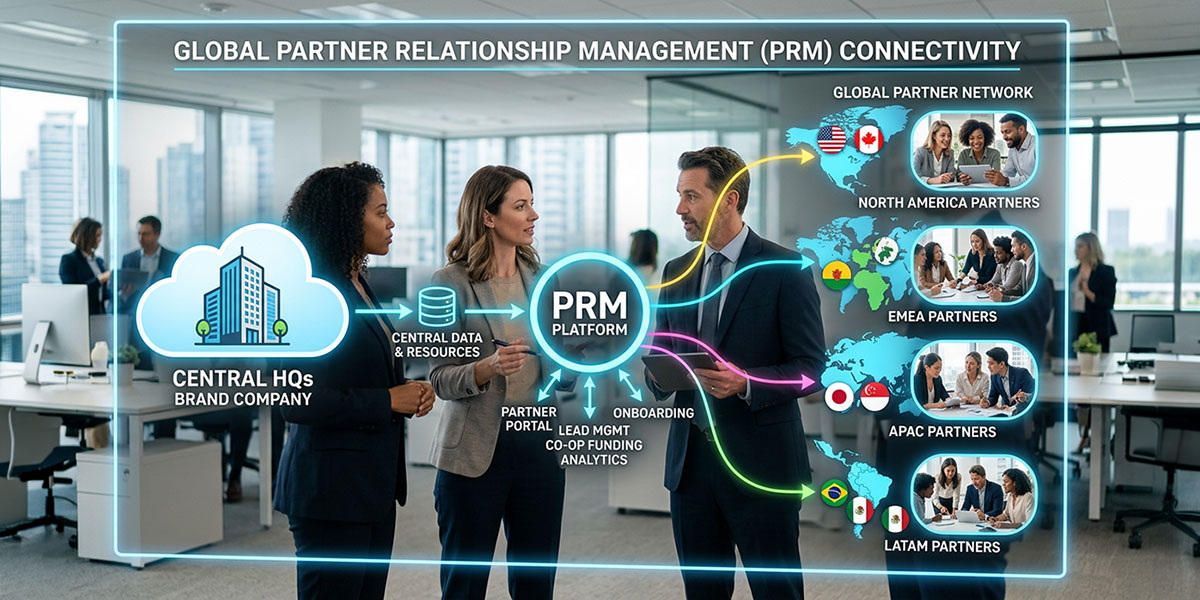
PRM, or Partner Relationship Management, is a system of strategies and technologies for managing indirect sales channels. It helps companies effectively manage their relationships with partners like resellers, distributors, and affiliates.
This comprehensive approach combines software, processes, and business strategies to build a successful partner ecosystem. Effective partner management is crucial for expanding market reach and driving revenue growth.
A dedicated software platform centralizes all partner-related activities in one accessible place. This streamlines communication, collaboration, and performance tracking across the entire channel network.
By automating key tasks, companies can empower their partners with necessary resources. This automation fosters stronger relationships and enables partners to sell more effectively for you.
Key Takeaways
TL;DR
PRM — Definition
PRM (Partner Relationship Management) is the technology platform and operational discipline used by vendor organizations to manage the full lifecycle of indirect channel partner relationships — from recruitment and onboarding through enablement, co-marketing, deal registration, incentive management, and performance analytics. PRM software automates workflows that would otherwise require manual coordination across channel operations, marketing, sales, and finance teams.
How Does PRM Software Improve Channel Partner Performance?
A robust partner relationship management system significantly boosts channel partner performance from day one. It starts with a structured and automated onboarding process that accelerates partner activation.
New partners receive guided workflows, essential documents, and initial training materials immediately. This efficient start helps them become productive members of your channel network much faster.
Training and certification are foundational elements for ensuring partner success and brand consistency. A good platform offers a comprehensive partner learning management system for this purpose.
You can create custom learning paths, deliver engaging video content, and track progress. Partners gain the product knowledge and sales skills they need to represent your brand effectively.
Continuous performance tracking is essential for understanding what is working within your channel. The right software provides detailed dashboards and analytics to monitor key performance indicators (KPIs).
With powerful business intelligence reports, you can measure pipeline health and partner engagement. This data allows channel managers to identify top performers and assist those who are struggling.
Clear business planning tools help align partner goals with your company’s objectives. You can collaboratively set targets, outline strategies, and review progress within the system.
This alignment ensures that both you and your partners are working towards mutual success. It transforms the relationship from a simple transactional one to a true strategic partnership.
Effective communication is also critical for maintaining a healthy and engaged partner network. A centralized portal provides secure messaging, notifications, and community forums for easy interaction.
This fosters a sense of community and keeps partners informed about updates. A well-informed partner is always a more effective and motivated selling partner.
Ultimately, a solid PRM solution transforms how you interact with your entire partner ecosystem. It shifts the focus from administrative burdens to strategic growth and relationship building.
By providing partners with the right tools, you empower them to perform better. Their success directly translates into increased channel revenue and a stronger market presence for you.

Channel managers can use data-driven insights to make informed decisions about program improvements. They can identify trends, forecast sales, and optimize resource allocation for maximum impact.
This level of visibility was previously impossible with disconnected systems or manual tracking. It empowers managers to proactively guide their channel strategy instead of just reacting to issues.
Moreover, a unified platform standardizes processes across your entire global partner network. Every partner, regardless of location or tier, experiences a consistent and professional engagement.
This consistency builds trust and reinforces your brand’s reputation in the marketplace. It makes your partner program more attractive to new potential channel partners.
The system also simplifies the management of different partner types and program tiers. You can easily create and manage distinct rules, content, and incentives for each group.
This targeted approach ensures that all partners receive relevant support for their business models. It helps maximize the potential of every relationship within your diverse ecosystem.
Through automation, a PRM platform frees up valuable time for your channel team. They can spend less time on manual data entry and more time nurturing relationships.
This human touch is irreplaceable and crucial for building long-term partner loyalty. Technology should enable relationships, not replace them, which is a core tenet of good software.
What Key Features Define a Modern PRM Platform?
A modern PRM platform is defined by a comprehensive suite of integrated modules. These modules work together to manage the entire partner lifecycle from recruitment to sales.
The foundation of any such system is a secure and user-friendly partner portal. This portal acts as the central hub for all partner activities and communications.
Through the portal, partners can access everything they need in one convenient location. This includes marketing materials, sales tools, training courses, and support resources easily.
Robust content management capabilities are essential for enabling partners with the right assets. A centralized content library ensures partners always have access to the latest product information.
Vendors can control branding, messaging, and access permissions for all shared documents. This guarantees brand consistency across all channel marketing and sales efforts.
Partner marketing automation is another crucial feature for driving demand through the channel. The platform should provide tools for creating and executing effective marketing campaigns.
This includes capabilities for email marketing, social media syndication, and event management. These tools empower partners to generate leads without needing extensive marketing expertise.
Effective sales enablement tools are at the heart of a successful channel strategy. A good PRM system provides features to help partners manage their sales pipeline effectively.
Key tools include deal registration to prevent channel conflict and referral management to track leads. These features protect partner investments and encourage active selling of your products.
Incentive management is critical for motivating partners and rewarding desired behaviors. The software should automate the administration of complex incentive programs like rebates and commissions.
It must also handle market development funds (MDF), allowing partners to request, use, and claim funds. This streamlined process encourages partners to invest in co-marketing activities with you.
Business intelligence and analytics provide the necessary insights to optimize channel operations. Detailed reports and dashboards offer a 360-degree view of partner performance and program ROI.
This data-driven approach allows for continuous improvement of your channel program. Managers can make strategic adjustments based on real-time performance analytics and results.
Furthermore, contract and business plan management are vital for formalizing partner relationships. The tool should allow for digital contract signing and collaborative business planning.
These features, like a partner business planning module, ensure alignment and accountability from the start. They establish a clear framework for the partnership’s goals and expectations.
Finally, a modern platform should be customizable and scalable to meet evolving needs. It should adapt as your business grows and your partner program becomes more complex.
This flexibility ensures that your investment in a partner management system provides long-term value. Your technology should grow alongside your expanding channel ecosystem and its requirements.
How PRM Works: The Partner Lifecycle
According to ZINFI’s Unified Partner Management framework, PRM covers seven stages of the partner lifecycle:
Why Is Integrating PRM with Other Systems Crucial?
Integrating your PRM platform with other core business systems is absolutely crucial. This integration creates a unified data environment, eliminating information silos and manual work.
The most important integration is between your partner management software and your CRM system. This connection ensures a seamless flow of lead, opportunity, and customer data.
When a partner registers a deal in the portal, it should automatically appear in CRM. This gives your direct sales team full visibility into channel activities, preventing conflicts.
Likewise, leads generated by your internal marketing team can be passed to partners. This automated distribution happens through the integrated platform, ensuring quick follow-up.
Integrating with Enterprise Resource Planning (ERP) systems is also highly beneficial for operations. This connection can automate order processing, inventory management, and financial reconciliation.
For example, when a partner places an order, the data flows directly to the ERP. This reduces manual entry errors and significantly speeds up the entire fulfillment process.
Marketing automation platform integration extends your marketing reach through the channel network. It allows partners to leverage corporate campaigns and assets within their own tools.
This synergy ensures brand consistency while giving partners the flexibility they need. Partners can easily co-brand and launch sophisticated campaigns with minimal effort from their side.
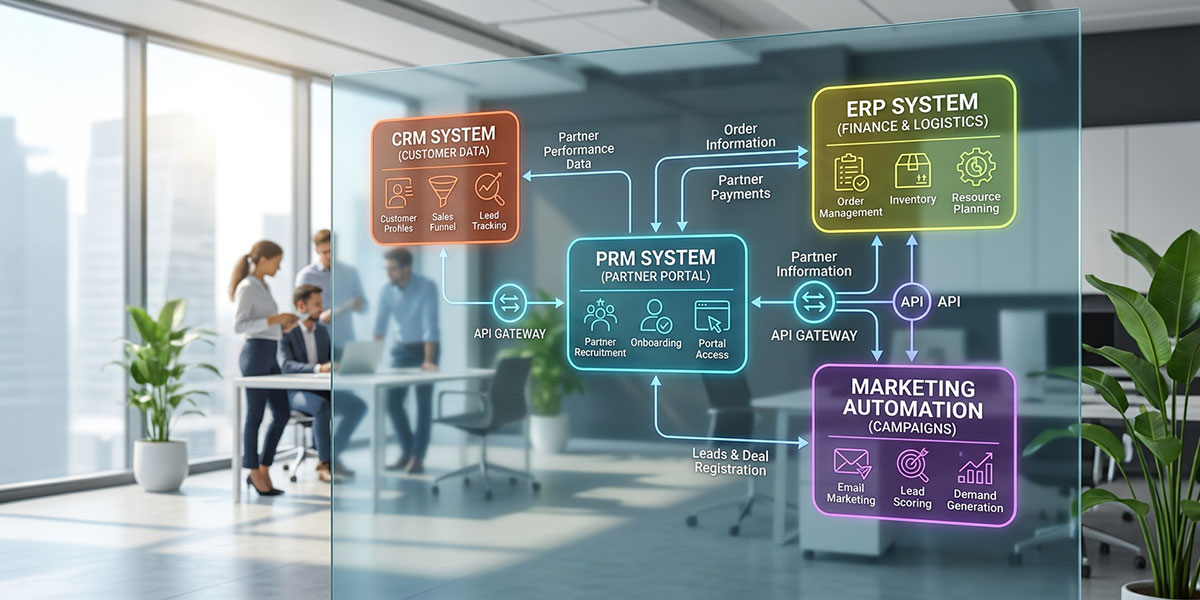
A robust API layer is the key to achieving this level of seamless integration. Modern platforms offer a centralized interconnect to connect with various third-party applications.
This allows you to build a best-of-breed technology stack tailored to your needs. You can connect your PRM system to any software that supports API communication.
The ultimate goal is to create a single source of truth for all partner-related data. When all systems are synchronized, everyone is working with the same accurate information.
This eliminates confusion, improves decision-making, and enhances the partner experience significantly. Partners appreciate the efficiency and transparency that an integrated ecosystem provides them.
Integration also streamlines financial processes, like commission and rebate payments. By connecting to your financial software, you can automate complex calculations and payouts.
This ensures that partners are paid accurately and on time, which is critical for trust. Timely payments are one of the most important factors in maintaining partner satisfaction.
Furthermore, a connected system improves reporting and analytics across the entire business. You can combine channel data with direct sales, marketing, and financial data for a holistic view.
This comprehensive perspective allows for much more strategic and accurate business forecasting. High-level executives can see the true impact of the channel on overall company performance.
Without integration, employees must spend hours manually transferring data between systems. This process is not only time-consuming but also highly susceptible to human error.
Automating this data flow frees up your team to focus on more strategic activities. They can concentrate on partner recruitment, enablement, and other high-value relationship-building tasks.
How Can PRM Solutions Help Scale a Partner Program?
A PRM solution is the essential engine for scaling a partner program effectively. It replaces manual, time-consuming tasks with efficient, automated workflows across the board.
As your partner base grows, managing them with spreadsheets and email becomes impossible. Automation is the only way to maintain quality and consistency without hiring more staff.
Onboarding is a prime example of where automation drives scalability and improves workflow. A system like FlexiFlow can guide hundreds of new partners through the process simultaneously.
Each partner receives a consistent and professional onboarding experience without manual intervention. This allows you to grow your network rapidly without sacrificing initial training quality.
Managing a tiered partner program becomes simple with a dedicated software solution. You can define different levels, like silver, gold, and platinum, with unique requirements.
The partner programs management module can then automatically grant access to benefits. This includes different commission rates, marketing funds, and content based on their tier.
Global expansion presents challenges related to language, currency, and regional compliance. A sophisticated partner management platform is designed to handle this complexity with ease.
It can support multiple languages and currencies, presenting a localized experience to each partner. This is critical for successfully managing a diverse, international partner ecosystem.
Content distribution can also be tailored to specific regions or partner types. The right PRM ensures partners only see the marketing assets and documents relevant to them.
This prevents confusion and ensures that partners are using the correct, compliant materials. It simplifies content management for you and improves the experience for the partner.
As you scale, maintaining clear and consistent communication becomes increasingly difficult. A centralized portal with automated alerts and notifications is an invaluable asset.
You can broadcast important updates to your entire network or specific partner groups. This ensures that every partner stays informed about product launches, program changes, or promotions.
The ability to self-serve is another key aspect of scalability in partner management. The portal allows partners to find answers, access resources, and solve problems independently.
This reduces the burden on your channel support team, letting them focus on complex issues. A comprehensive knowledge base and resource library are integral to enabling this self-sufficiency.
Scalable incentive programs are also managed more effectively through a dedicated system. You can easily manage MDF, co-op funds, and rebates for thousands of partners.
The automation of claims and payments ensures the program runs smoothly without administrative bottlenecks. This allows you to offer attractive incentives that drive growth and partner loyalty.
Ultimately, a robust partner relationship management system provides the foundation for sustainable growth. It allows you to expand your channel footprint without a proportional increase in overhead.
By automating the operational aspects, you can focus on the strategic elements of partnership. This strategic focus is what truly drives long-term success in any indirect sales model.
What Is the Future of PRM Technology?
The future of PRM technology is moving towards smarter, more connected partner ecosystems. Artificial intelligence and machine learning are at the forefront of this evolution.
These technologies are transforming partner management from a reactive to a proactive discipline. They analyze data to uncover trends and predict outcomes with surprising accuracy.
Predictive analytics will play an increasingly important role in channel management. The system will be able to identify which partner recruits are most likely to succeed.
It can also predict which existing partners are at risk of disengaging from you. This allows channel managers to intervene early and provide targeted support where needed.
AI will also enhance personalization within the partner portal for a better experience. The system will learn each partner’s behavior and proactively suggest relevant content.
For instance, it might recommend a specific training module or marketing campaign. This tailored guidance helps partners work more efficiently and effectively on their own.
The concept of channel management is expanding beyond traditional resellers and distributors. The industry is shifting towards managing complex business ecosystems, a trend highlighted by firms like Gartner.
Modern platforms must support a wide variety of partner types, including influencers and consultants. They also need to manage technology partners, alliances, and even co-selling with customers.
This shift requires more flexible and dynamic platform capabilities than ever before. The software must be able to manage intricate, multi-layered relationships and collaborations.
Seamless integration will become even more critical in this interconnected future. True ecosystem management requires data to flow freely between the systems of all partners.

Future PRM platforms will act as the central hub of this ecosystem. They will orchestrate complex, multi-partner sales motions and marketing initiatives seamlessly.
For example, a deal might involve a reseller, a technology partner, and a consultant. The system will coordinate their activities and ensure proper compensation for all parties.
Automated partner scoring will become more sophisticated with the use of artificial intelligence. The system will continuously evaluate partners based on a wide range of data points.
This goes beyond just sales figures to include engagement, training, and marketing activity. This provides a holistic view of each partner’s value to your business ecosystem.
The user experience will continue to be a major focus for platform developers. Consumer-grade simplicity and mobile-first design will become the standard for all systems.
If a platform is not intuitive and easy to use, partners will not adopt it. This focus on usability ensures that your technology investment delivers the expected returns.
In summary, the future is intelligent, connected, and focused on the entire ecosystem. The technology is evolving to manage more complex relationships in a highly automated way.
Companies that embrace these advancements will gain a significant competitive advantage. They will be able to build and manage stronger, more profitable partner networks.
Traditional vs. AI-Powered PRM: A Comparison
| Feature | Traditional Channel Management | AI-Powered PRM Approach |
|---|---|---|
| Onboarding | Manual, slow, and inconsistent process. | Automated, fast, and standardized for all partners. |
| Lead Distribution | Manual assignment via email lists. | Automated, rules-based distribution for quick follow-up. |
| Performance Insights | Based on historical sales data. | Uses performance analytics and predictive analytics for forecasting. |
| Partner Support | Reactive support via email and phone. | Proactive support with AI-driven recommendations. |
| Content Delivery | One-size-fits-all content library. | Personalized content suggestions based on partner needs. |
| Incentive Management | Manual tracking with spreadsheets. | Automated calculation, claims, and payment processing. |
| Partner Recruitment | Based on gut feeling and referrals. | Data-driven profiling to identify ideal recruits. |
Why Choose ZINFI for Your PRM Needs?
ZINFI offers a state-of-the-art Unified Partner Management platform for your business. It is designed to help you scale your channel operations efficiently and effectively.
Our solution provides a comprehensive suite of tools in a single, integrated package. You get everything you need without the hassle of managing multiple vendor solutions.
- Our platform offers unmatched flexibility for deep customization to fit your specific needs.
- You can choose from three flexible editions to get the exact features you require.
- The modular approach allows you to start small and add capabilities as you grow.
- We provide robust multi-language and multi-currency support for global channel programs.
- Advanced analytics and reporting provide deep insights into every aspect of your channel.
- Our dedicated support team helps ensure your success from implementation to daily operations.
By leveraging ZINFI’s advanced automation, you can significantly reduce administrative overhead. This allows your team to focus on building stronger, more profitable partner relationships.
Our platform empowers your partners with the self-service tools they need for success. This improves their experience and makes your company easier to do business with.
Frequently Asked Questions About PRM
What is the main goal of PRM?
The main goal of PRM is to make it easier for partners to sell for you. It streamlines processes and provides resources to boost their engagement and performance.
How is PRM different from CRM?
Customer Relationship Management (CRM) focuses on managing relationships with direct customers. Partner Relationship Management focuses on managing relationships with indirect channel partners like resellers.
Who uses PRM software in a company?
Channel managers, channel marketing teams, and channel sales executives are the primary users. Partners themselves are also major users, accessing the system through the partner portal.
Can small businesses benefit from a PRM system?
Yes, small businesses can benefit greatly by automating their partner management processes. A good platform helps them compete with larger companies by running a more efficient channel.
What is a partner portal?
A partner portal is the secure, web-based interface that partners use to interact with a vendor. It provides centralized access to all the tools and resources they need.
How does PRM help with channel conflict?
A PRM system helps prevent channel conflict through features like deal registration. This tool protects a partner’s investment by “locking” an opportunity they are pursuing.
What is partner enablement?
Partner enablement is the process of providing partners with the tools they need. This includes the training, content, and support required to market and sell effectively.
How long does it take to implement a PRM solution?
Implementation time can vary depending on the complexity of your program and integrations. A phased approach can get a basic system running in a few weeks.
What ROI can be expected from implementing PRM?
A well-implemented PRM platform typically delivers significant ROI through increased channel revenue. It also provides savings from administrative task automation and improved partner productivity.
How do I choose the right PRM vendor?
Look for a vendor with a flexible, scalable, and comprehensive platform for your needs. Consider their industry experience, customer support reputation, and ability to integrate with other systems.
About the author
Sugata Sanyal
Sugata Sanyal is the Founder & CEO of ZINFI Technologies, a leader in Unified Partner Management. He has been a passionate advocate for the channel and channel partners for decades. His vision for ZINFI is to provide partner ecosystems with the tools they need to succeed.