How the Coronavirus Will Forever Change the Way We Work
The coronavirus pandemic permanently transformed how businesses operate by accelerating digital adoption, reshaping supply chains and establishing remote collaboration as the dominant model for modern professional work across every industry worldwide. Organizations that adapted quickly to coronavirus disruptions discovered new efficiencies and competitive advantages that continue driving innovation and growth today.
The global pandemic created a massive shift from physical commerce to digital platforms. Consumers exhausted nearly every online option for personal goods and essential services. This behavioral change represents a third wave of Internet-enabled innovation.
The first wave brought book sales online through pioneering e-commerce platforms successfully. Professional services including learning, testing and healthcare followed during the second wave. Now personal goods and services have permanently migrated to digital delivery channels.
Necessity drove invention as the coronavirus crisis forced rapid digital transformation across industries. Delivery platforms experienced unprecedented demand that exposed capacity limitations and infrastructure gaps. These disruptions created enormous opportunities while simultaneously eliminating traditional business models permanently.
Key Takeaways
- The coronavirus accelerated digital transformation by shifting personal goods and services to online platforms permanently.
- Supply chains restructured globally as businesses adapted to pandemic-driven disruptions across multiple continents.
- Remote collaboration tools became essential infrastructure for maintaining business operations during extended lockdowns.
- Channel sales strategies evolved as companies adopted automated partner management platforms for distributed selling.
- Scientific collaboration demonstrated unprecedented acceleration from fundamental research to commercial applications worldwide.
- The pandemic drove aggregation across industries as smaller providers consolidated under larger distribution networks.
- Organizations that embraced digital tools during the crisis gained lasting competitive advantages over slower competitors.
How Did the Pandemic Reshape Personal Goods and Services Markets?
The coronavirus created a tectonic shift in how consumers access personal goods daily. Ordering everything from groceries to meals became standard practice almost overnight. This transformation represents permanent behavioral change rather than temporary adjustment.
Front-end restaurants transformed into packaged-food retailers serving aggregated delivery platforms. Equipment providers shifted from distributed networks to consolidated supply chain models efficiently. These changes mirror how major retailers use physical stores as fulfillment centers.
The disruption accelerated trends that were already emerging before the pandemic struck. Delivery platforms had existed for years but experienced explosive growth during lockdowns. Consumer expectations permanently shifted toward convenience and digital-first service delivery.
What Supply Chain Transformations Resulted from Global Disruption?
Businesses that previously sold to restaurants and entertainment venues were forced to remap channels. The coronavirus recession drove significant aggregation among equipment providers and distributors. Even established supply relationships required complete restructuring to survive market conditions.
Manufacturing supply chains had already begun shifting from China to developing countries. Trade tensions accelerated movement toward Southeast Asian nations and African manufacturing centers. The pandemic intensified this geographic diversification of global production networks significantly.
Despite nationalist pressures in many countries, global interconnection actually deepened through necessity. Income inequality across nations exacerbated vulnerability to future health emergencies considerably. International organizations evolved from advisory roles into active policy coordination bodies worldwide.

How Did Remote Collaboration Tools Transform During the Crisis?
Cloud technology had facilitated collaboration among professionals for decades before the coronavirus emerged. Video conferencing platforms like Teams, Webex and Zoom became essential business infrastructure. Fast broadband enabled high-quality communication from home offices across the world.
The rollout of advanced wireless networks continued accelerating remote work capabilities significantly. Some telecommunications companies faced financial pressure from massive network infrastructure investments required. Eventually consolidation through mergers and acquisitions stabilized the telecommunications industry landscape.
High-speed networks survived industry turbulence and fundamentally changed collaborative work practices permanently. Workers learned to manage home responsibilities while maintaining professional productivity simultaneously. These dual demands drove innovation in workspace technology and time management approaches.
What Role Did Channel Sales Technology Play During the Pandemic?
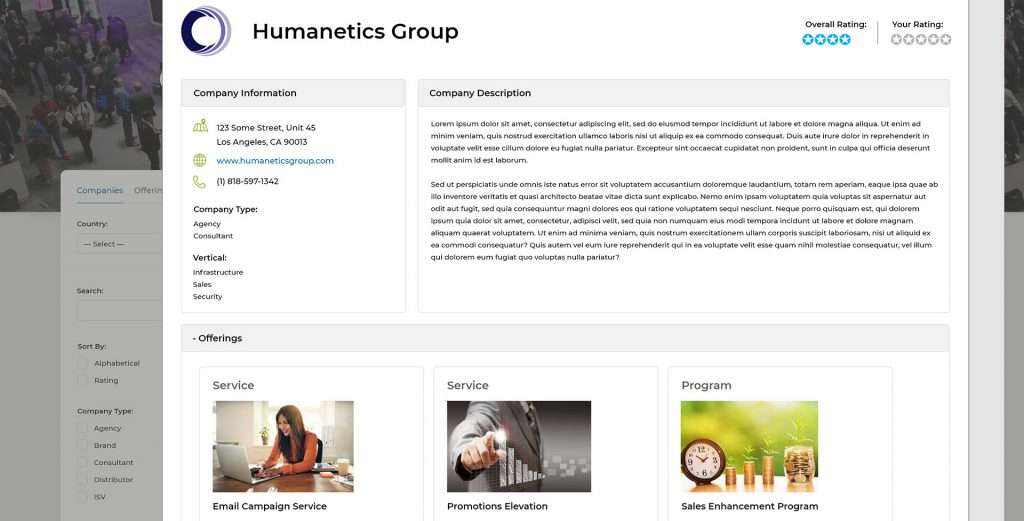
Companies selling through partner channels relied heavily on automated and scalable management tools. Partner relationship management platforms became critical for maintaining distributed sales operations effectively. These technologies enabled continued business development despite physical distancing requirements globally.
Partner marketing management software helped organizations coordinate campaigns across dispersed partner networks remotely. Direct-selling companies focused on integrating customer experience management approaches more deeply. Each organization emphasized vertical applications tied to their specific industry sectors.
As cloud costs declined, bandwidth and storage became practically free for business operations. Computational costs decreased to negligible levels enabling powerful technology adoption across organizations. The coronavirus drove technology utilization from morning routines through daily professional activities.
| Dimension | Pre-Pandemic Work Model | Post-Coronavirus Work Model |
|---|---|---|
| Commerce channels | Brick-and-mortar retail dominated personal goods and services delivery | Digital platforms and aggregated delivery systems handle most transactions |
| Supply chain geography | Concentrated manufacturing primarily in China with limited diversification | Distributed production across Southeast Asia, Africa and multiple regions |
| Collaboration approach | In-person meetings and physical office presence required for teamwork | Video conferencing and cloud tools enable seamless remote collaboration |
| Sales methodology | Field representatives visiting customers and partners for face-to-face selling | Automated partner management platforms supporting distributed digital selling |
| Scientific research | Sequential research processes with limited cross-institutional collaboration speed | Accelerated parallel research with AI tools and worldwide real-time sharing |
| Technology adoption | Gradual digital transformation with optional remote work arrangements available | Rapid mandatory digitization with remote work as standard operating procedure |
| International coordination | Advisory international organizations with limited practical enforcement authority | Active policy coordination bodies driving collaborative global health responses |
How Did Scientific Collaboration Accelerate During the Health Crisis?
The academic and public research communities demonstrated unprecedented collaboration during the coronavirus outbreak. Scientists published findings and shared experimental data across institutions at remarkable speed. Progress from fundamental research to commercialization accelerated dramatically through coordinated efforts.
One laboratory identified dozens of potential drug candidates for treating viral infections. Another institution expanded research to hundreds of additional substances showing therapeutic promise. This collaborative approach compressed timelines that traditionally required years into mere months.
AI-based search tools enabled researchers to access vast knowledge repositories more efficiently. Advanced predictive modeling techniques accelerated drug discovery and treatment development processes significantly. Technology-enabled worldwide collaboration brought new therapeutic providers to marketplace distribution channels.
What Lasting Changes Did the Pandemic Create for Channel Partnerships?
The coronavirus forced channel sales organizations to completely reimagine their operational approaches. Traditional face-to-face partner engagement became impossible during extended lockdown periods globally. Digital-first partnership management emerged as the permanent standard for channel operations.
Lead management systems became essential for tracking partner activities across distributed networks. Automated onboarding processes replaced in-person training programs for new channel partners effectively. These digital approaches proved more scalable and cost-effective than previous methods.
Organizations investing in partner technology during the crisis gained significant competitive advantages. Those maintaining manual processes fell behind as markets demanded faster response times consistently. The pandemic permanently raised expectations for digital partnership management capabilities.
How Will Future Work Models Continue Evolving Beyond the Crisis?
Remote work evolved from emergency accommodation to preferred operational model for many organizations. Workers demonstrated that productivity could be maintained without physical office presence consistently. Hybrid arrangements combining remote and onsite work became the dominant workplace structure.
The tools supporting distributed work continue advancing with improved video and collaboration features. Cloud computing costs keep declining while processing power and storage capacity increase steadily. These trends make sophisticated technology accessible to organizations of every size globally.
The coronavirus demonstrated that human innovation thrives under pressure and constraint. Throughout history, crises have driven adaptation and advancement across all aspects of civilization. The spirit of collaboration and innovation ultimately prevails over every challenge humanity faces.
What Economic Restructuring Followed the Global Health Emergency?
Job losses and business restructuring created significant economic disruption across every sector. Mergers and acquisitions accelerated as weakened companies sought survival through consolidation strategies. Market-shifting changes created both devastating losses and extraordinary new opportunities simultaneously.
The coronavirus recession drove unprecedented government intervention through bailout programs and stimulus packages. Industries ranging from airlines to hospitality required financial support to maintain operations. Recovery patterns varied significantly across sectors based on digital readiness and adaptability.
Organizations that embraced digital marketing and automated sales processes recovered faster than competitors. Investment in technology infrastructure during the downturn positioned companies for stronger growth afterward. Economic restructuring ultimately rewarded organizations that prioritized digital transformation and partner collaboration.
Frequently Asked Questions
How did the coronavirus permanently change consumer behavior?
The pandemic shifted personal goods and services purchasing to digital platforms permanently. Consumers adopted online ordering and delivery services that replaced traditional shopping habits.
What supply chain changes resulted from global pandemic disruption?
Manufacturing diversified from China to Southeast Asia and Africa for risk reduction. Global supply chains became more distributed to prevent single-point-of-failure vulnerabilities.
How did remote collaboration tools evolve during the health crisis?
Video conferencing and cloud platforms became essential business infrastructure practically overnight. High-speed networks enabled professional-quality communication from home offices worldwide.
What role did partner management technology play during the pandemic?
Automated partner relationship management platforms maintained distributed sales operations during lockdowns. Digital channel tools proved more scalable than traditional face-to-face approaches.
How did scientific research collaboration accelerate during the coronavirus?
Researchers shared findings across institutions at unprecedented speed using AI-powered tools. Collaboration compressed drug discovery timelines from years into months through coordinated efforts.
What economic restructuring occurred following the global health emergency?
Mergers, acquisitions and government bailouts reshaped industries across every economic sector. Organizations investing in digital transformation recovered faster than traditionally operated competitors.
How did the pandemic affect channel sales strategies permanently?
Digital-first partnership management replaced face-to-face engagement as the operational standard. Automated onboarding and lead tracking became essential for distributed partner networks.
What workplace models emerged as dominant after the health crisis ended?
Hybrid arrangements combining remote and onsite work became the standard workplace structure. Organizations proved that productivity could be maintained without requiring physical office presence.
How did the coronavirus drive international cooperation and policy coordination?
International health organizations evolved from advisory roles into active policy coordination bodies. Global interconnection deepened despite nationalist pressures in many countries worldwide.
What lessons did the pandemic teach about digital transformation readiness?
Organizations with existing digital infrastructure adapted faster and maintained operations more effectively. Technology investment during the crisis created lasting competitive advantages for prepared companies.
About the author
Sugata Sanyal
Sugata loves solving complex industry problems in a way that creates hundreds of new jobs and opportunities. Over the past three decades, Sugata has worked in three large Fortune 100 organizations – Honeywell, Philips, and Dell SonicWALL – learning how to put together global teams that can work together to help customers win, create a wealth of new opportunities, and do amazing things. Sugata founded ZINFI with the mission of solving the entire challenge of marketing and selling, both directly and indirectly, through the channel. Over the past several years, his leadership on the ZINFI team has built a highly customer-focused global organization that constantly innovates and always asks how it can do better and deliver more for less.