Transformation of the Automotive Partner Ecosystem
The automotive partner ecosystem has evolved dramatically over the past several decades. Globalization, economic disruptions, and the transition to electric vehicles have reshaped how manufacturers collaborate with suppliers and technology companies. Understanding these shifts helps organizations build stronger partnerships and adapt to a rapidly changing automotive landscape.
Key Takeaways
- Globalization expanded sourcing opportunities while increasing logistical and geopolitical complexity.
- Just-in-time manufacturing created tighter coordination between automakers and suppliers.
- Economic downturns exposed vulnerabilities in global supply networks.
- The COVID-19 pandemic highlighted the need for stronger supply chain resilience.
- Electric vehicle adoption is transforming traditional supplier relationships.
- Software innovation is becoming central to modern vehicle development.
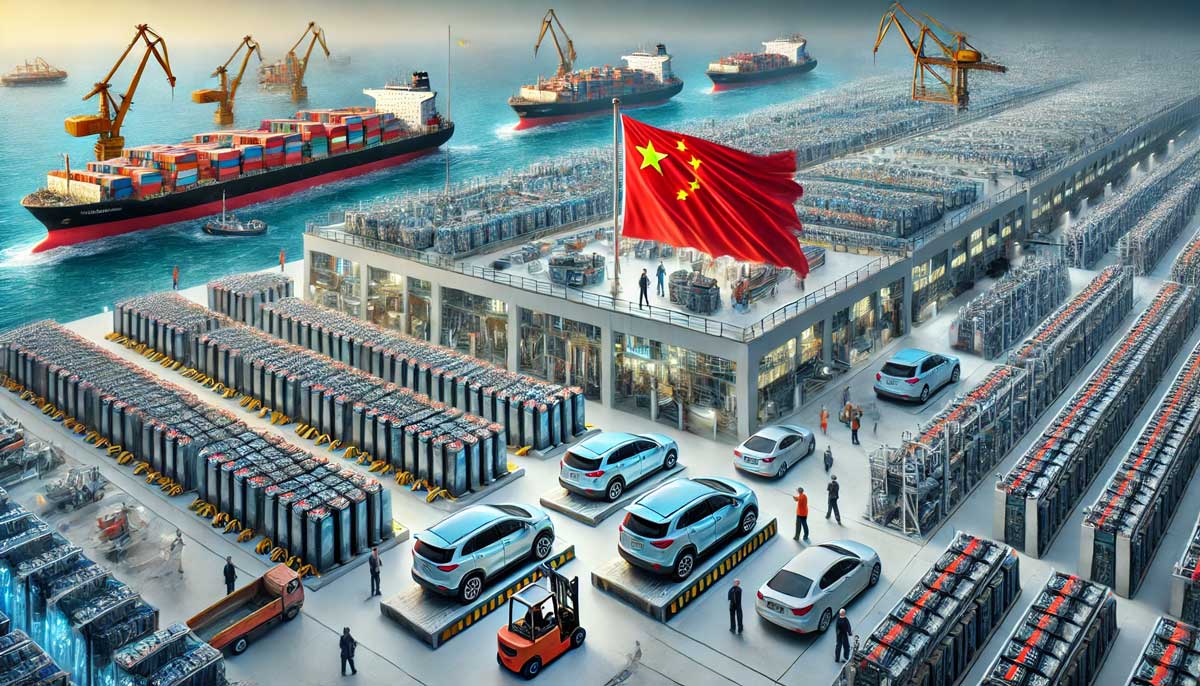
- Battery supply chains now play a critical role in global automotive competition.
How Globalization Expanded Automotive Collaboration
Over the past few decades, globalization has fundamentally changed how automakers work with suppliers. Manufacturers increasingly source components from multiple regions to reduce costs and access specialized expertise. This approach allowed companies to build larger and more diverse supplier networks.
In a modern partner ecosystem, parts may be designed in Europe, produced in Asia, and assembled in North America before reaching customers worldwide. While this structure improves efficiency, it also requires careful coordination across international logistics networks.
Manufacturing strategies such as just-in-time production further strengthened the connection between automakers and suppliers. Instead of storing large inventories, manufacturers rely on suppliers to deliver components exactly when they are needed on the assembly line.
This model reduces costs but increases dependence on reliable supplier performance. Even small delays can disrupt production schedules and affect multiple facilities simultaneously.
Economic Crises and Supply Network Adjustments
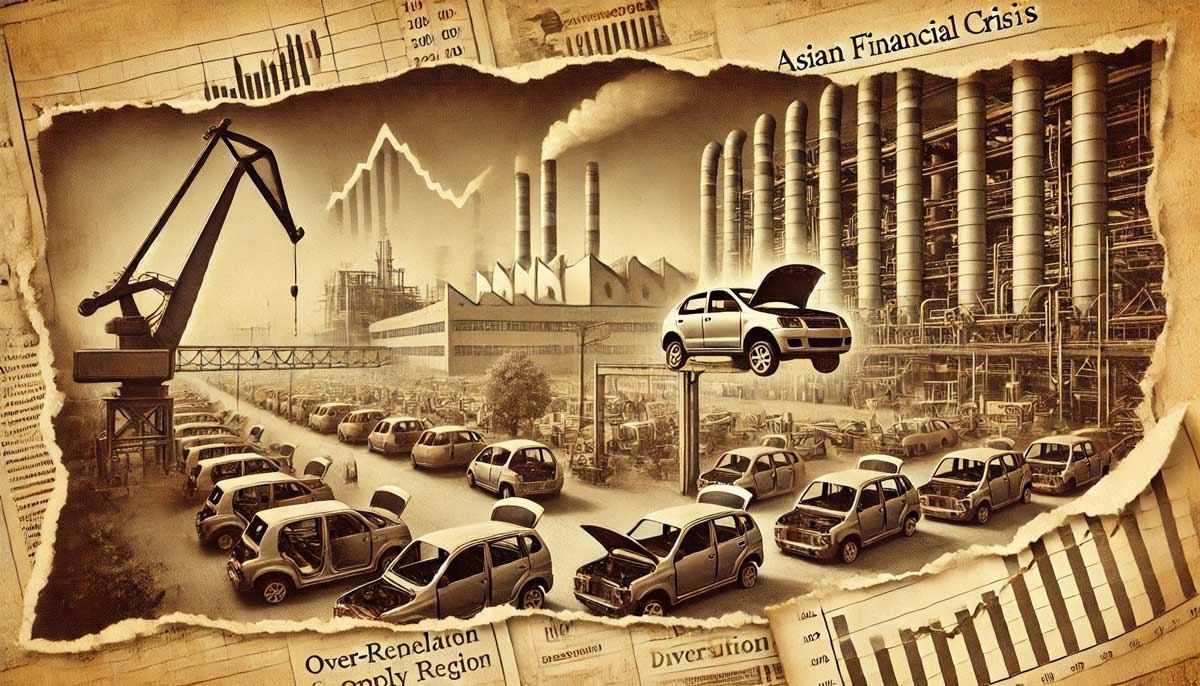
Economic downturns have repeatedly tested the resilience of the automotive partner ecosystem. During major financial disruptions, automakers often face declining demand and operational pressure across global markets.
The 2008 global financial crisis significantly impacted automotive production and supplier stability. Many companies restructured their operations and renegotiated contracts to control costs and protect essential partnerships.
In many cases, smaller suppliers struggled to survive the downturn. This led to industry consolidation as larger organizations acquired struggling firms or expanded their market influence.
These experiences encouraged automakers to diversify their supplier base and invest in better risk management strategies. Today, many companies monitor supplier performance and financial health to prevent disruptions before they occur.
Pandemic Lessons for Supply Chain Resilience
The COVID-19 pandemic created one of the most significant disruptions in automotive manufacturing history. Factory shutdowns, shipping delays, and semiconductor shortages slowed production around the world.
These challenges demonstrated how interconnected the modern partner ecosystem has become. Automotive manufacturers found themselves competing with consumer electronics companies for limited semiconductor supply.
As a result, many organizations began exploring nearshoring strategies and alternative sourcing models. By locating suppliers closer to production facilities, manufacturers hope to reduce transportation risks and respond faster to unexpected disruptions.
Digital supply chain monitoring tools are also becoming more common. These technologies provide real-time visibility into inventory levels, production capacity, and logistics operations across multiple partners.
Electric Vehicles Are Changing Supplier Dynamics
The transition to electric vehicles represents one of the biggest shifts in automotive history. Compared with traditional combustion engines, electric vehicles contain fewer mechanical components but rely heavily on batteries and advanced electronics.
This change is reshaping the partner ecosystem by introducing new suppliers specializing in battery technology, power electronics, and energy management systems.
Battery manufacturers such as Panasonic Energy and CATL have become strategic partners for many automakers. Batteries are now one of the most expensive and technically complex components in electric vehicles.
Automakers are also collaborating with energy companies to expand charging infrastructure. These partnerships help support widespread EV adoption while strengthening relationships across multiple industries.
Software and Technology Partnerships
Modern vehicles rely heavily on digital technology. Features such as advanced driver assistance, connectivity services, and over-the-air updates depend on sophisticated software systems.
Because of this shift, technology firms have become important participants in the automotive partner ecosystem. Companies like NVIDIA Automotive and Mobileye collaborate with manufacturers to develop autonomous driving and safety technologies.
Software capabilities now play a major role in vehicle differentiation. Manufacturers increasingly work with technology partners to accelerate innovation and deliver new digital features to customers.
As vehicles become more connected, cybersecurity and data management partnerships are also becoming critical parts of the ecosystem.
The Future of Automotive Collaboration
The automotive partner ecosystem will continue evolving as electrification, software innovation, and sustainability reshape the industry. Automakers must collaborate with suppliers, technology firms, and infrastructure providers to remain competitive.
Future partnerships will likely focus on battery technology, artificial intelligence, and digital vehicle platforms. Companies that successfully integrate these capabilities into their networks will be better positioned to meet changing consumer expectations.
Transparency and real-time data sharing will also become increasingly important. Digital platforms allow organizations to coordinate production, logistics, and inventory management more effectively across global operations.
Ultimately, strong collaboration across diverse partners will remain a key factor driving innovation and growth within the automotive sector.
About the Author
Sugata Sanyal
Sugata Sanyal is the Founder and CEO of ZINFI Technologies. With more than three decades of experience in enterprise technology and global channel strategy, he has worked with organizations such as Honeywell, Philips, and Dell SonicWALL. His leadership focuses on building scalable partner programs and enabling organizations to create high-performing collaboration networks that drive long-term growth.